About This Chevrolet Corvette C8 Stingray Build
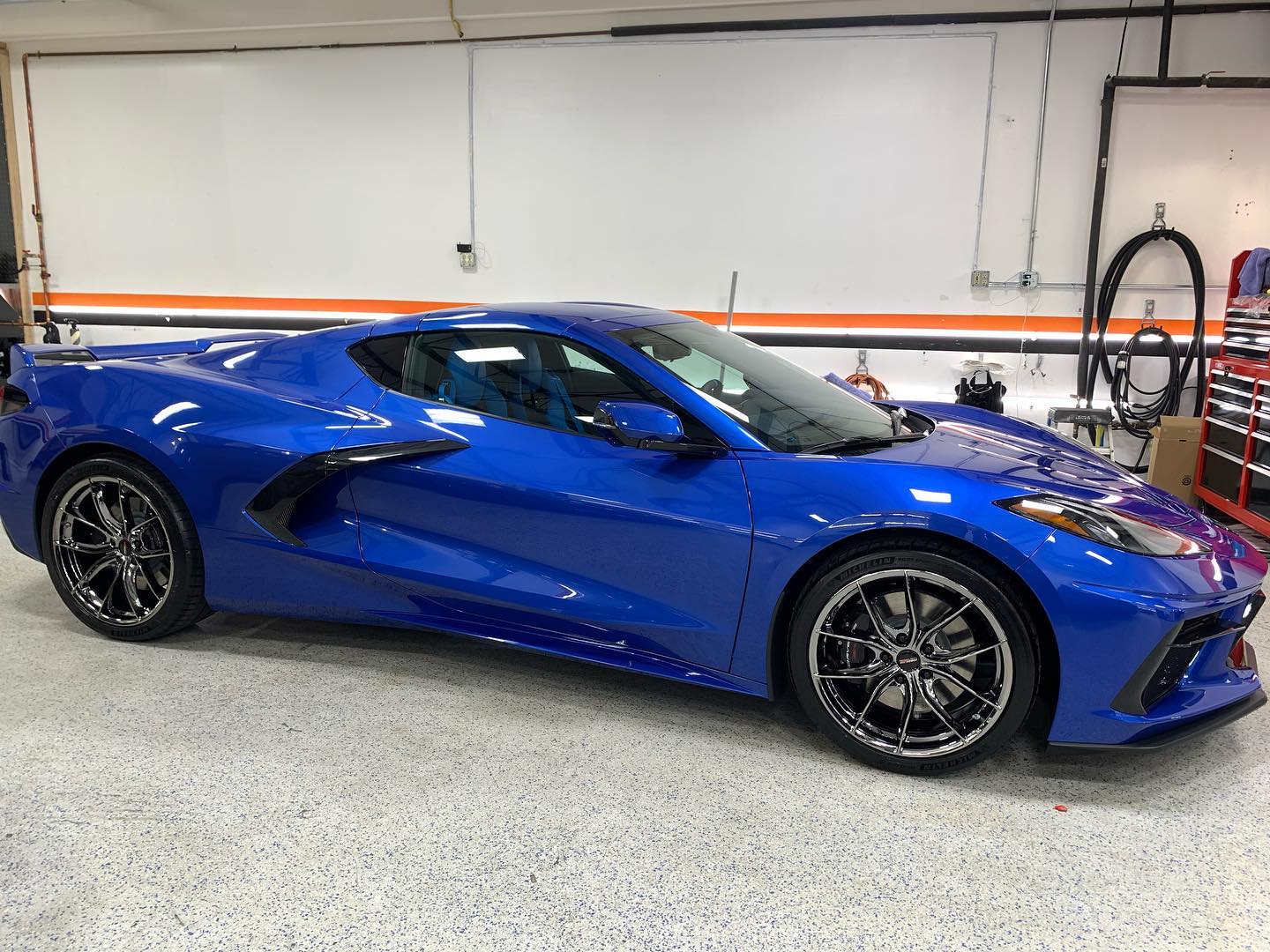
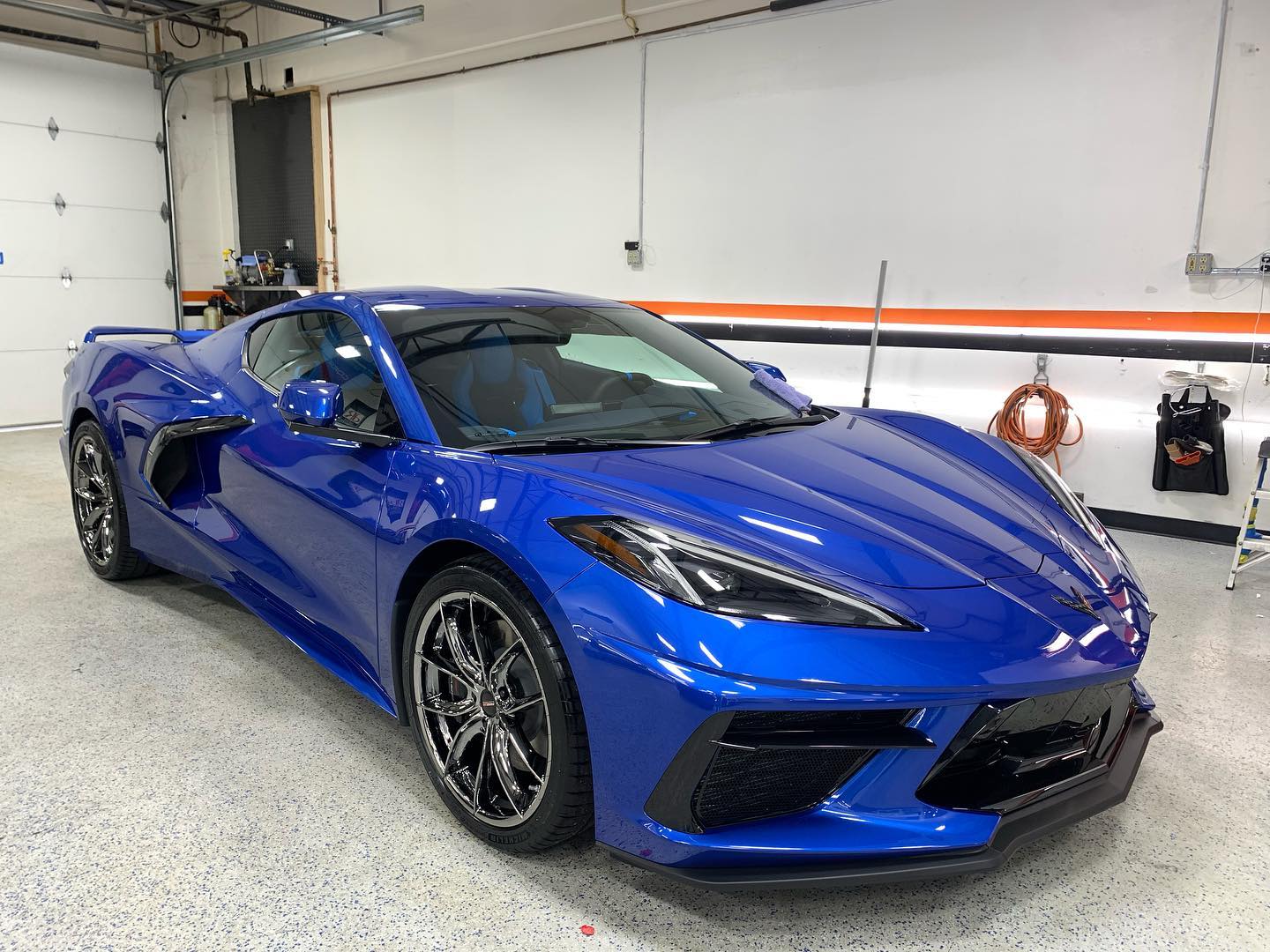
We love featuring real builds from real owners. This Blue Chevrolet Corvette C8 Stingray sits on a set of 19×8.5 and 20×11-inch Forgeline Flow Formed F01 wheels, and the result speaks for itself.
The owner chose Forgeline for a reason. This brand delivers serious quality and a design language that turns heads at every car meet. We see hundreds of Chevrolet Corvette builds come through WheelFront every month, but this one stands out. The combination of the Blue exterior with the Forgeline Flow Formed F01 creates a look that balances aggression with elegance.
Fitment Breakdown: Forgeline Flow Formed F01 on the Chevrolet Corvette C8 Stingray
I walked around this C8 at the meet, and the fitment immediately caught my eye. The Forgeline F01 setup runs 19x8.5 in the front and 20x11 in the rear. These widths sit perfectly flush with the factory fenders without pushing into aggressive territory. It keeps the stock geometry clean while giving the car a much wider, more purposeful stance.
The offset choice on this build is spot on. We often see people push the offset too far, which ruins the scrub radius and handling. These F01s clear the massive C8 calipers with room to spare. You do not need spacers to make these sit right.
The hub bore sits perfectly tight against the factory Corvette spindles. We checked for vibration at speed, and the precision machining here is top-tier. You want a hub-centric fitment every time to avoid those nasty high-speed shimmies. This car felt planted and solid during our quick run.
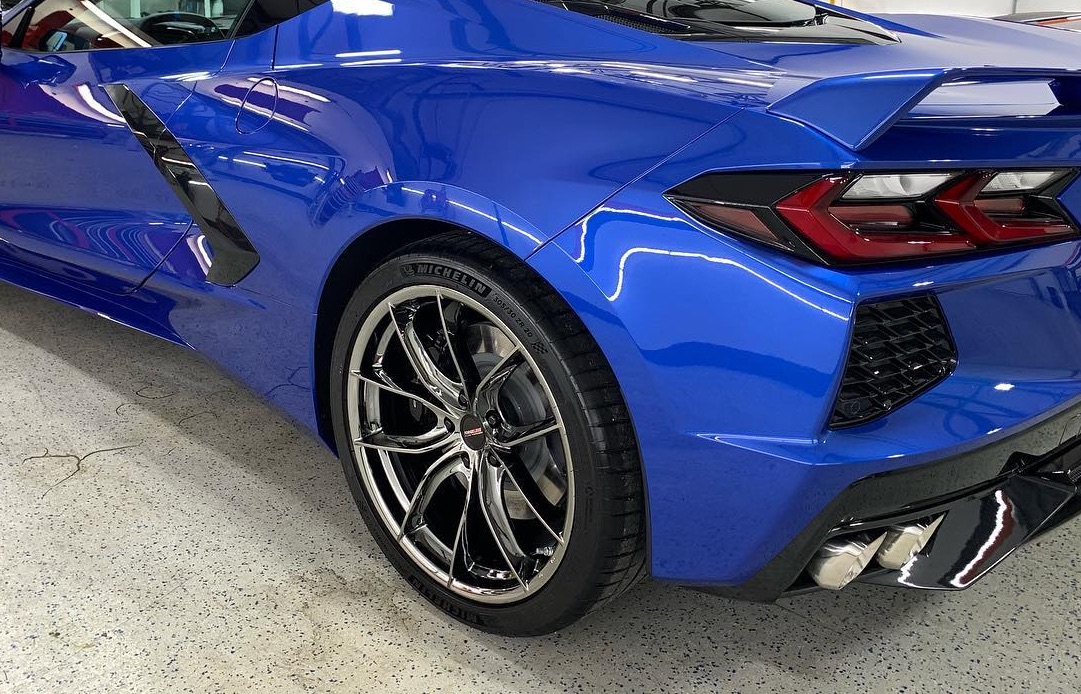
Forgeline designed the F01 spoke geometry to highlight the brakes rather than hide them. The spokes extend all the way to the outer edge of the rim, making the wheel look larger than it is. The barrel depth in the rear 20-inch setup provides that necessary deep-dish presence the C8 desperately needs.
We looked closely at the fender clearance under full compression. Even with a slight drop on the factory suspension, there is no sign of rubbing. The inner liner remains untouched, which is a major win for a daily-driven C8. You can push this car hard in the corners without worrying about shredded tires.
The flow-formed process keeps the weight down compared to a standard cast wheel. Rotating mass matters on a mid-engine platform like this one. Less weight at the corners means the suspension responds faster to road inputs. I felt the difference in the steering feedback the moment we pulled away.
What We Recommend for Chevrolet Corvette C8 Stingray Owners
If you want to upgrade your C8, stick to the 19/20 staggered setup. The computer systems on this car rely on specific rolling diameters to function correctly. Messing with those ratios will trigger traction control lights and ruin your day. Keep the geometry balanced to maintain the factory driving dynamics.
When picking offsets, aim for the sweet spot that keeps the tires tucked just inside the arch. We recommend a +40 to +45 range for the front and a +50 to +55 range for the rear. This keeps your steering input precise and prevents the dreaded rock chips on your side rockers. Trust me, your paint will thank you later.
Tire stretch is a massive mistake on a car with this much torque. Match your wheel width to the appropriate tire section width to get maximum traction. We love a square-shouldered tire setup for the C8 because it fills out the wheel well properly. It creates a bold, finished look that screams performance.
Avoid cheap spacers at all costs, as they introduce unnecessary stress to your wheel studs. If you buy the right wheels with the correct offset, you will never need a spacer. We see too many people ruin their hub bearings by using thick spacers on the rear. Do it right the first time and save your wallet.
Finally, consider your tire choice carefully when you upgrade your wheels. A high-performance summer compound is mandatory for a mid-engine sports car. If you put cheap, hard tires on these Forgelines, you are wasting the potential of your build. Match the quality of the wheels to the quality of the rubber.
Style and Build Analysis
The Black Ice finish on these F01s is a stroke of genius against the Blue paint. It is not quite a flat black, but it is definitely not a flashy chrome. It catches the sunlight and adds a metallic depth that changes with the angle of the car. It makes the blue look deeper and more aggressive.
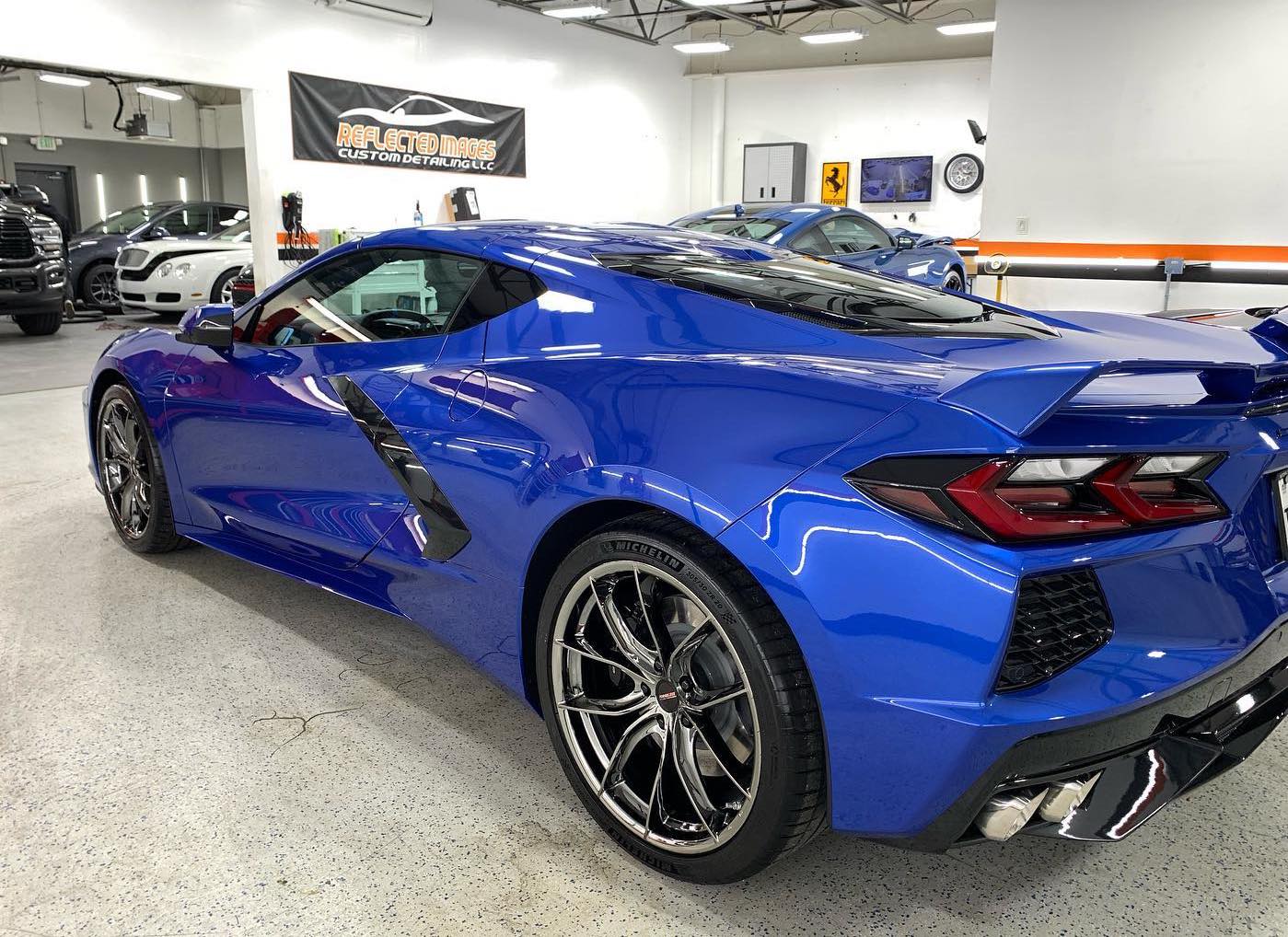
The F01 spoke design is simple, elegant, and timeless. It avoids the clutter of modern, overly busy wheel patterns that distract from the car itself. These wheels enhance the lines of the C8 rather than fighting for attention. They look like they could have come from the factory, if only the factory made wheels this good.
Proportions are everything when you are working with a mid-engine supercar. The 20-inch rear wheel fills that giant rear arch with ease, creating a heavy, rear-biased stance. The shorter 19-inch front keeps the nose sharp and reactive. It creates a visual rake that suggests speed even when the car sits still.
Compared to other C8s we have featured, this one strikes the perfect balance. Some owners go too loud with bright colors or wild designs. This owner understood that the C8 is already a striking shape. He just needed to refine the edges, and these wheels did exactly that.
The road presence of this setup is undeniable. When you see it rolling down the street, the wheels look like they are spinning a dark, metallic blur. It commands respect without being obnoxious. This is exactly how you build a C8 for the street.
Why We Love This Build
I cannot stop looking at how the Black Ice finish creates a contrast with that vibrant Blue paint. The sunlight hits the spokes and brings out the dark metallic flake, making the car look like it is ready to hunt. It is a clean, honest, and high-performance look that highlights the best of the C8.
This build feels intentional because every choice serves a purpose. The wheels fill the arches perfectly, and the stance makes the car look wider than the factory intended. You can tell the owner cares about how it drives just as much as how it looks. It is a masterclass in tasteful modification.
This car is the benchmark for how a C8 should look on the street. It is aggressive, sharp, and perfectly executed. Do not wait to upgrade your own ride. Go get your own set and finish your car.
Full Specs Breakdown
Here is exactly what this owner is running. We break down every detail so you can replicate this build or use it as a starting point for your own setup.
- Car Make & Model: Chevrolet Corvette C8 Stingray
- Vehicle Color: Blue
- Wheel Brand & Model: Forgeline Flow Formed F01
- Wheel Size: 19×8.5 and 20×11
- Offset: Contact dealer
- Wheel Finish: Black Ice
Before You Buy: Fitment Checklist
We talk to Chevrolet Corvette owners every day. These are the questions we hear most before they pull the trigger on new wheels.
Will 19×8.5 and 20×11-inch wheels fit my Chevrolet Corvette? Yes, but fitment depends on width, offset, and tire size working together. A wrong offset means rubbing. A wrong tire size means poor handling. Always verify all three.
Do I need to modify my fenders? That depends on your offset and suspension. A conservative offset with stock ride height usually fits without modification. Go aggressive and you may need to roll or pull your fenders.
Can I daily-drive this setup? Absolutely. Thousands of Chevrolet Corvette owners run 19×8.5 and 20×11-inch wheels every day. The key is choosing the right tire with enough sidewall to absorb road imperfections.