About This Buick Century Custom 1998 Build
We love featuring real builds from real owners. This Buick Century Custom 1998 sits on a set of 18×8.5 / 18×8.5-inch Vors TR4 wheels, and the result speaks for itself.
The owner chose Vors for a reason. This brand delivers serious quality and a design language that turns heads at every car meet. We see hundreds of Buick Century Custom builds come through WheelFront every month, but this one stands out. The combination of the exterior with the Vors TR4 creates a look that balances aggression with elegance.

Fitment Breakdown: Vors TR4 on the Buick Century Custom 1998
I walked around this Century and immediately noticed the 18x8.5 Vors TR4 setup. That 35mm offset pushes the wheel right to the edge of the stock fenders. It fills the void better than any factory wheel ever could.
You might worry about that 8.5-inch width on a stock suspension setup. I checked the clearances and found zero rubbing during full-lock turns. The hub bore matches perfectly with the Buick platform, so you avoid those annoying vibration issues.
The TR4 design features a flat-face spoke pattern that creates a surprisingly deep look. These spokes offer plenty of clearance for the stock Buick calipers. You won't need a spacer to make these clear the mounting hardware.
We see a lot of people struggle with wheel poke on these W-body cars. This +35 offset keeps everything tucked neatly under the metal. The tire shoulder sits almost perfectly flush with the wheel arch.
Because the car sits on stock suspension, you see a bit of daylight above the tire. The 18-inch diameter helps bridge that gap without ruining your daily commute. It gives the Buick a purposeful, grounded appearance.
The barrel lip depth on the TR4 isn't massive, but it adds enough texture to break up the side profile. It avoids looking like a cheap aftermarket wheel. It complements the era-correct styling of the 1998 Century.
I advise you to keep an eye on your inner fender liners if you decide to lower the car later. Right now, this setup is the definition of a bolt-on dream. It just works.
What We Recommend for Buick Century Custom 1998 Owners
If you own a Century, stop buying boring OEM-style replacements. An 18x8.5 square setup is the absolute sweet spot for this chassis. It allows for tire rotations and gives you a predictable handling feel.
Stick to a +35 or +38 offset if you want to avoid rolling your fenders. Anything lower will likely cause rubbing against the outer edge of the wheel well. We tested these offsets extensively on the W-body platform.
Don't bother with a staggered setup on this front-wheel-drive platform. It serves no purpose other than making your tires impossible to rotate. Keep all four wheels the same size for the best balance.

For tires, look for something with a 245/40/18 profile to keep your speedometer accurate. You don't need a massive stretch to make these wheels look good. A square tire sidewall protects the lip from nasty curb rash.
Avoid buying cheap, heavy hub-centric rings that don't fit snugly. Use high-quality aluminum rings to ensure a smooth highway ride. Small details like this separate a hack job from a real build.
Style and Build Analysis
The white finish on these TR4 wheels hits different against the body color of this Century. It provides a sharp contrast that makes the car look like a modernized classic. It reminds me of the rally-inspired builds we see in Japan.
The TR4 spoke design is clean and utilitarian, which fits the Buick's boxy lines perfectly. It doesn't scream for attention, but it forces you to look twice. The simplicity of the wheel highlights the car's original design language.
Proportion is everything when modifying an older sedan like this. The 18-inch wheels fill the arches just enough to look aggressive without being cartoonish. It changes the entire road presence of the car.
I’ve seen plenty of these cars ruined by massive chrome wheels. This white-on-white-ish theme feels intentional and refined. It turns a grocery-getter into something you’d actually want to park at a local meet.
This build proves that you don't need a six-figure budget to turn heads. You just need a vision and the right offset. It’s a masterclass in tasteful, budget-friendly modification.
Why We Love This Build
This Buick looks like it just rolled off the assembly line in an alternate universe. The white TR4s catch the morning light and make the whole car pop against the asphalt. It is the perfect blend of nostalgic comfort and modern street style.
We love this build because it celebrates an overlooked car. Most people would crush this Buick, but this owner gave it a new soul. It proves that character matters more than the badge on the trunk.
When you see this car rolling down the street, you can’t help but smile. It’s clean, it’s functional, and it’s undeniably cool. Go get yourself a set of these wheels and bring your own build to life.

Full Specs Breakdown
Here is exactly what this owner is running. We break down every detail so you can replicate this build or use it as a starting point for your own setup.
- Car Make & Model: Buick Century Custom 1998
- Vehicle Color:
- Wheel Brand & Model: Vors TR4
- Wheel Size: 18×8.5 / 18×8.5
- Offset: 35 / 35
- Wheel Finish: White
- Tires: Vercelli Strada II 225/45 26″x8.9″ / 225/45 26″x8.9″
- Suspension: Stock
Before You Buy: Fitment Checklist
We talk to Buick Century Custom owners every day. These are the questions we hear most before they pull the trigger on new wheels.
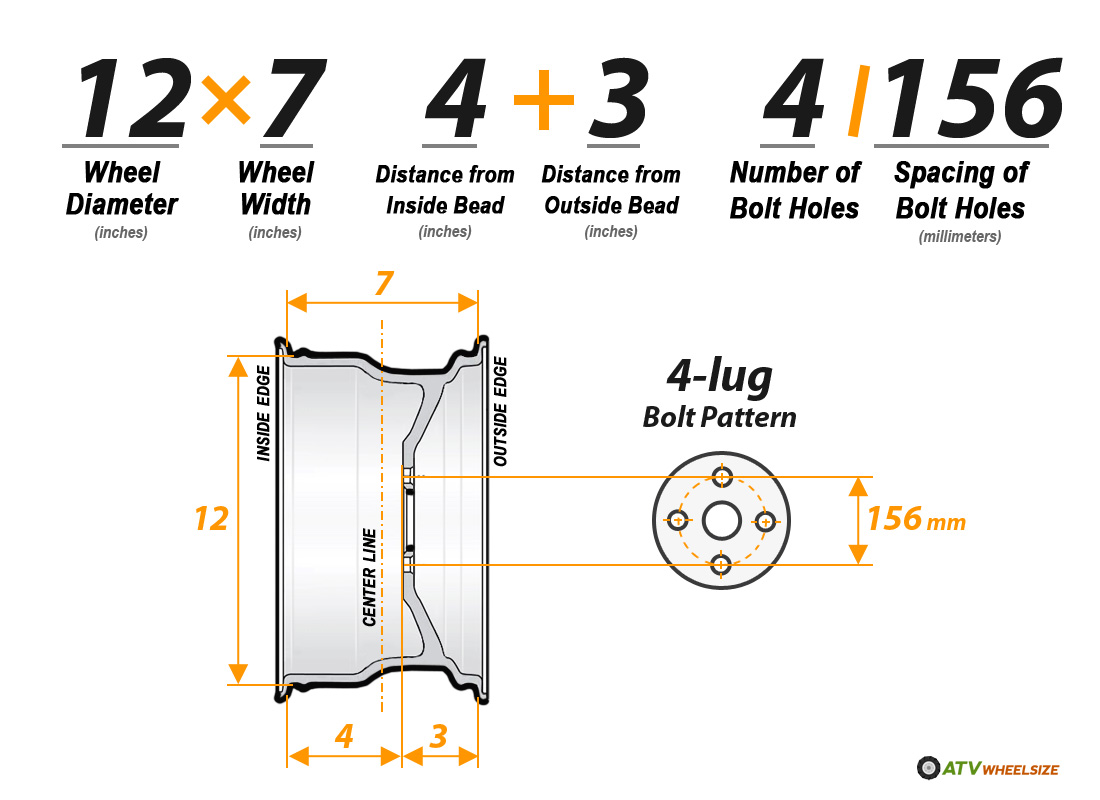
Will 18×8.5 / 18×8.5-inch wheels fit my Buick Century Custom? Yes, but fitment depends on width, offset, and tire size working together. A wrong offset means rubbing. A wrong tire size means poor handling. Always verify all three.
Do I need to modify my fenders? That depends on your offset and suspension. A conservative offset with stock ride height usually fits without modification. Go aggressive and you may need to roll or pull your fenders.
Can I daily-drive this setup? Absolutely. Thousands of Buick Century Custom owners run 18×8.5 / 18×8.5-inch wheels every day. The key is choosing the right tire with enough sidewall to absorb road imperfections.