
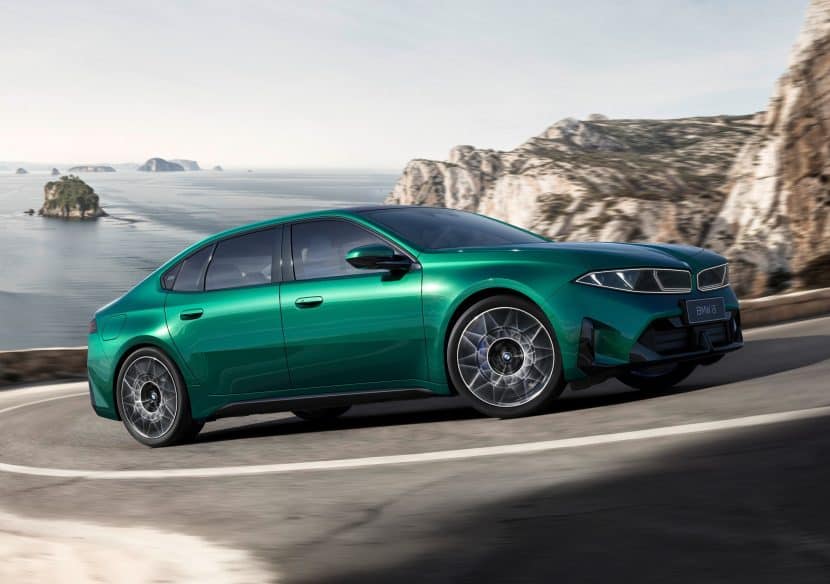


BMW and MINI sold 117,815 vehicles in China during the second quarter of 2026. That’s a 30.2% nosedive from the same period a year ago, and it accelerates a decline that has been building for half a decade.
Through June, the two brands moved 261,773 units in the country, down 20.4% from the first half of 2025. BMW peaked in China at 847,900 deliveries in 2021. Last year the number was 626,000. At this pace, 2026 could finish well below 550,000.
BMW is not suffering alone. Mercedes posted a 30% drop in Q2 Chinese sales, landing at 98,600 cars, with first-half volume down 28% to 210,200 units. The broader Volkswagen Group fared even worse, plunging 36.6% in Q2 to 424,300 vehicles and falling 25.9% through June to 973,000 units.
What’s happening is structural, not cyclical. Chinese domestic brands — BYD, NIO, Xiaomi, Huawei-backed Aito — have closed the technology gap and in many cases surpassed the Germans on cabin tech, software integration, and EV range. They’ve done it at prices that make a base 3 Series look like an indulgence rather than an aspiration. The premium cachet that German badges carried for two decades in China is eroding quarter by quarter.
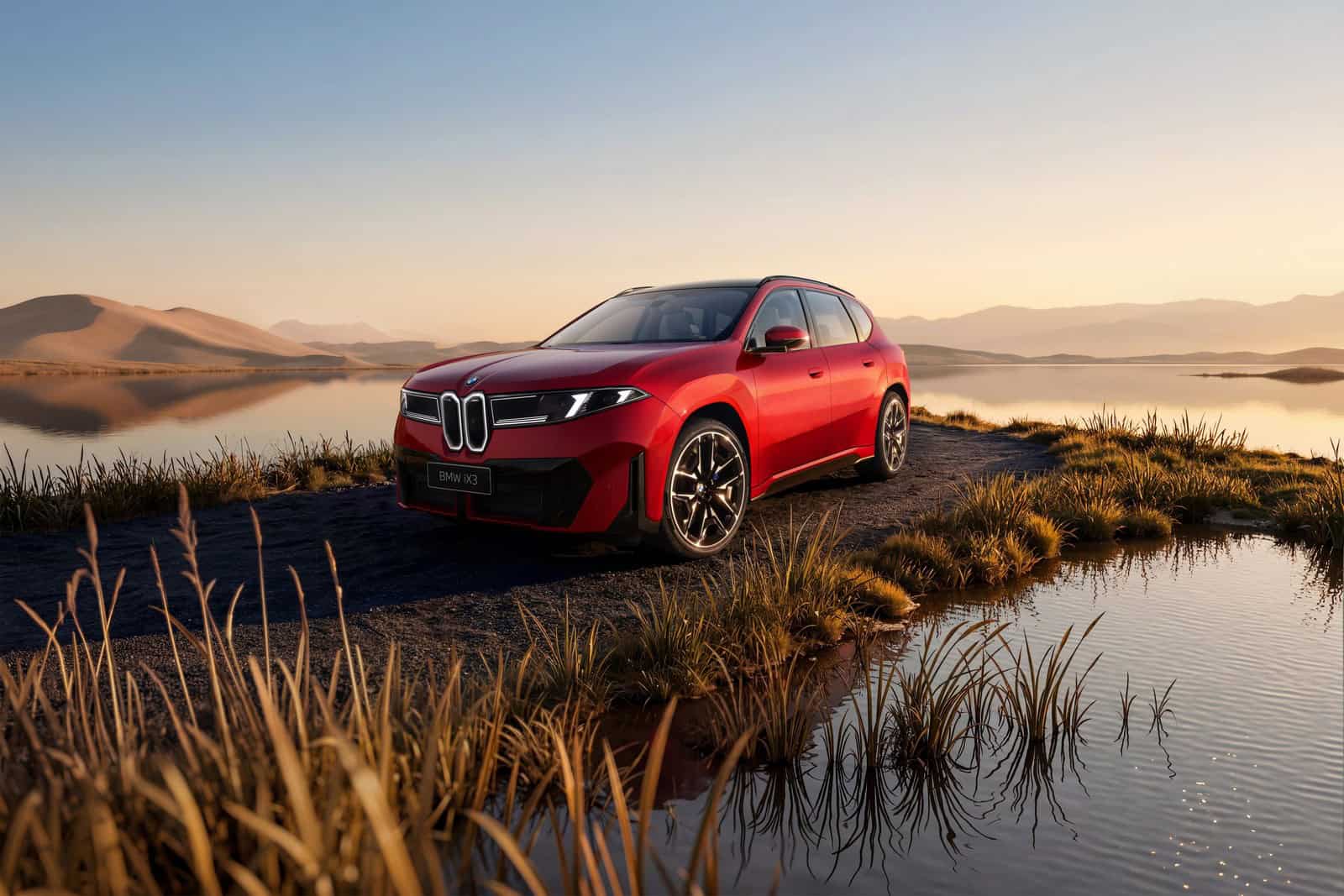
BMW knows this. The company developed long-wheelbase versions of the Neue Klasse iX3 and i3 specifically for Chinese buyers. Its Shanghai design studio is working on region-specific EVs, a level of localization that would have been unthinkable ten years ago when Munich dictated every line and surface.
Mercedes is building a three-row electric GLC exclusively for the Chinese market. Audi went furthest, launching a separate brand — AUDI, without the four rings — in partnership with SAIC to compete on local terms. These are not the moves of companies that feel confident. They are the moves of companies fighting to stay relevant in a market they once dominated by showing up.
BMW has already cut its 2026 profit guidance twice this year, with China’s slide a central factor. Even so, China remains the group’s largest single market, accounting for 25.4% of global deliveries in 2025. That share is shrinking in real time.
The saving grace, for now, is everywhere else. BMW’s U.S. sales rose 3.9% in the first half, Europe grew 5.4%, and Germany itself jumped 10.2%. Those gains have partially cushioned the Chinese free fall, but you don’t lose a fifth of your volume in your biggest market and make it up with mid-single-digit growth elsewhere.
The German luxury playbook in China — ship premium sedans and SUVs, charge a brand premium, collect enormous profits — worked brilliantly for twenty years. It funded factory expansions, R&D programs, and shareholder dividends. That machine is now broken.
Neue Klasse is BMW’s bet that it can rebuild relevance with purpose-built EVs tailored to Chinese tastes. It may work. But those cars are just arriving, and the competition has a four-year head start, a home-field cost advantage, and a consumer base that increasingly sees no reason to pay extra for a roundel on the hood. The clock is running, and the scoreboard is ugly.
Share this Story