
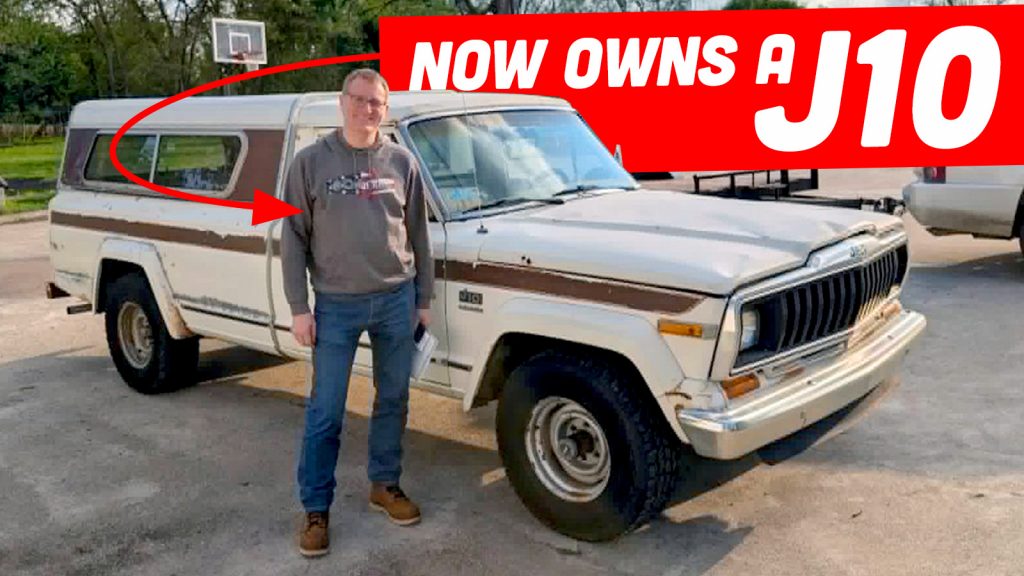


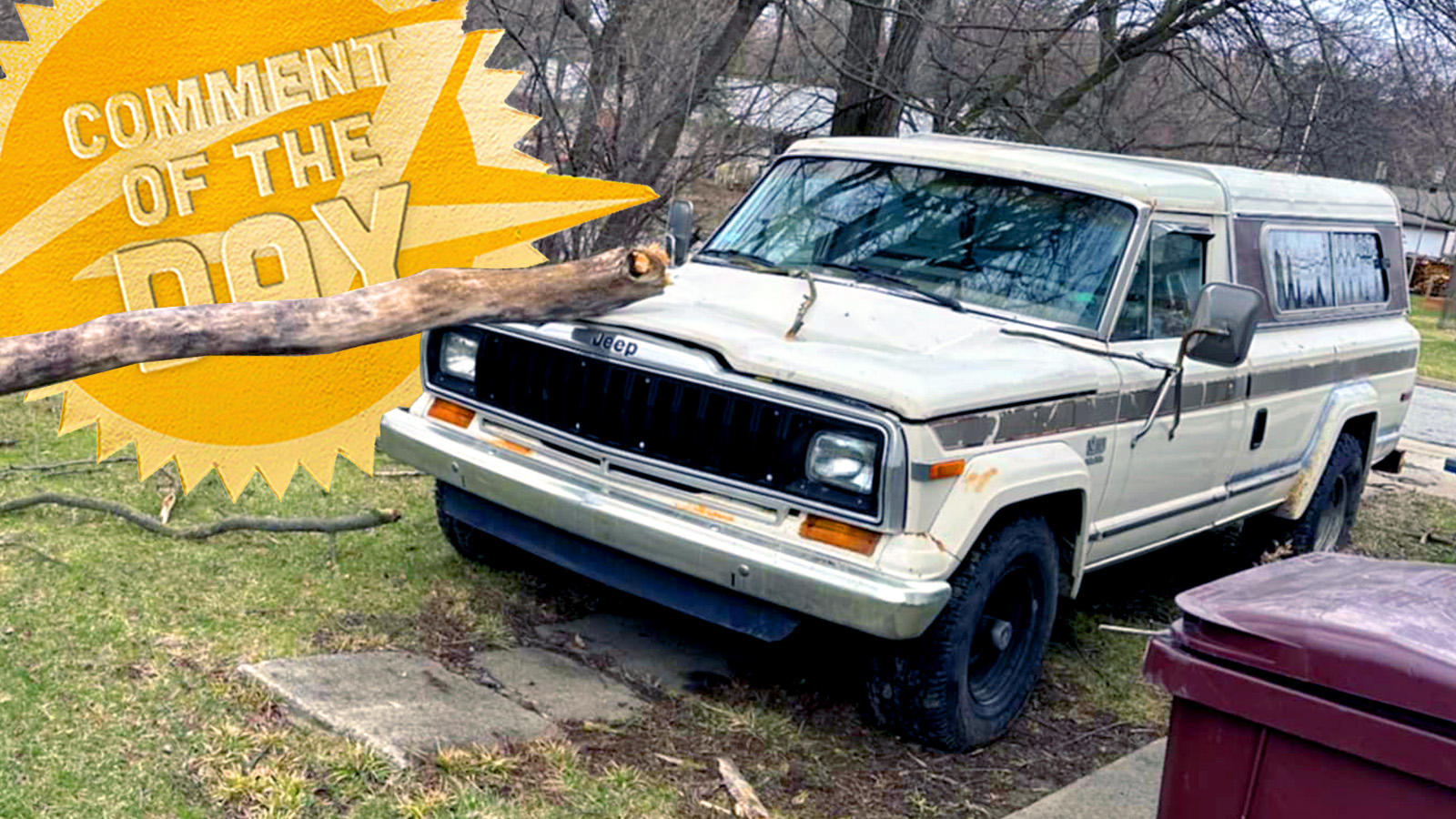
David Tracy shipped a Jeep J10 across the country twice. Then a tree branch fell on it. He still broke even when he sold it.
That’s the punchline from The Autopian’s editor-in-chief, whose long-running saga with a vintage Jeep pickup finally concluded with a sale that, against all logic and effort, returned roughly what he put into it. His readers weren’t surprised. They were annoyed.
“Don’t you know cars are a terrible investment?!?” commenter StillNotATony wrote, dripping with sarcasm. “What has this site become?”
The bit landed because it punctures one of the most durable myths in personal finance: that cars are always money pits. New cars? Absolutely. Drive one off the lot and watch thousands evaporate before you hit the first stoplight. But old cars — truly old, already-depreciated, mechanically functional old cars — play by different rules.
They’ve already taken their beating. The depreciation curve has flattened to something approaching a straight line. As long as they run and someone wants them, the floor is remarkably solid.
Commenter Horizontally Opposed nailed it: “It was pretty hard for you to get upside down on this truck, although not for lack of trying: you shipped it cross-country twice and when that didn’t work, you dropped a tree on it. Still, car gods said ‘nah you’re good, here’s your money back.'”
This isn’t a revelation to anyone who has spent time in the old-car world. A running, titled, reasonably honest vintage vehicle holds value the way a savings account used to. Not because it appreciates wildly — most won’t — but because demand from enthusiasts, restorers, and the simply nostalgic creates a persistent floor. The supply of original, unrushed examples only shrinks. Time is on your side for once.
Tracy’s J10 story is a perfect case study in how forgiving the economics can be. The man made every wrong logistical move possible, racked up shipping costs, dealt with damage, and still walked away whole. Try that with a three-year-old Nissan Altima.
The conversation at The Autopian touched other nerves, too. Volkswagen’s 2027 ID. Buzz is getting a camper van trim with a fold-out bed but no extra range, which prompted one reader to dub it the “Teenage Fuckmobile” — a vehicle that will never see actual adventure beyond the driveway. Meanwhile, Honda showed two hybrid prototypes that readers immediately recognized as spiritual successors to the Crosstour, the awkward hatchback sedan that Honda killed in 2015 and that apparently nobody has stopped mourning.
But it’s the old-car economics that stick. The collector market gets all the attention — the million-dollar Ferraris, the Bring a Trailer bidding wars on numbers-matching muscle cars. That’s not what we’re talking about here. We’re talking about a rusted Jeep pickup that a car journalist dragged around the continent like a reluctant dog on a leash and still couldn’t lose money on.
There’s a lesson buried in there for anyone willing to hear it. The cheapest car to own is often the one that’s already cheap. Insurance costs less. Registration costs less. Parts are available from junkyards instead of dealer service departments. And when you’re done with it, someone else wants it for roughly what you paid.
One commenter admitted to losing money on three personal vehicles in a row — while working as a car salesman. That takes a specific kind of talent. But the vehicles in question were almost certainly newer models, caught on the wrong side of the depreciation cliff.
Old cars don’t have that cliff. They have a gentle slope that, for the patient and the mechanically inclined, sometimes tilts upward. David Tracy shipped his Jeep J10 across America, let nature assault it, and broke even. The truck did its job. It always does.
Share this Story