
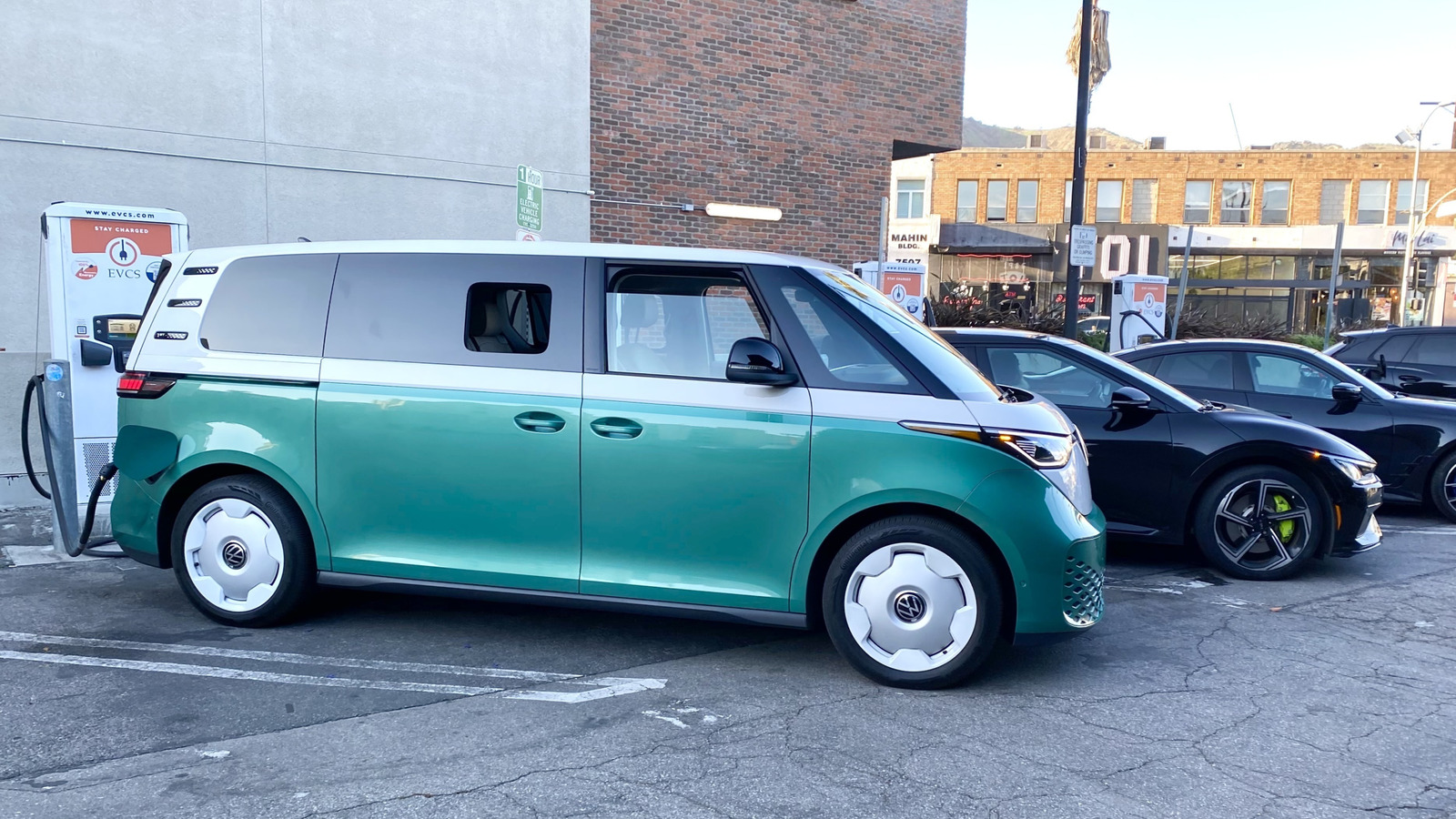


California just rolled out a $10 million program to fix broken EV batteries, and so far it has repaired exactly zero cars.
The Zero-Emission Assurance Project — ZAP, because Sacramento never met an acronym it didn’t love — went statewide on March 30. It offers up to $7,500 for battery or fuel cell repairs on used electric vehicles, or up to $10,000 toward a new EV purchase if the pack is beyond saving. Ten million dollars, sitting on the table, waiting for takers.
The catch is who qualifies. This isn’t for every EV owner in the state. It’s not even for most of them. You must have purchased your used zero-emission vehicle through one of two CARB programs: Financing Assistance or Clean Cars 4 All.
That narrows the pool from California’s roughly 2.5 million registered EVs down to an estimated 1,300 eligible vehicles. That’s a coverage rate so thin it barely exists.
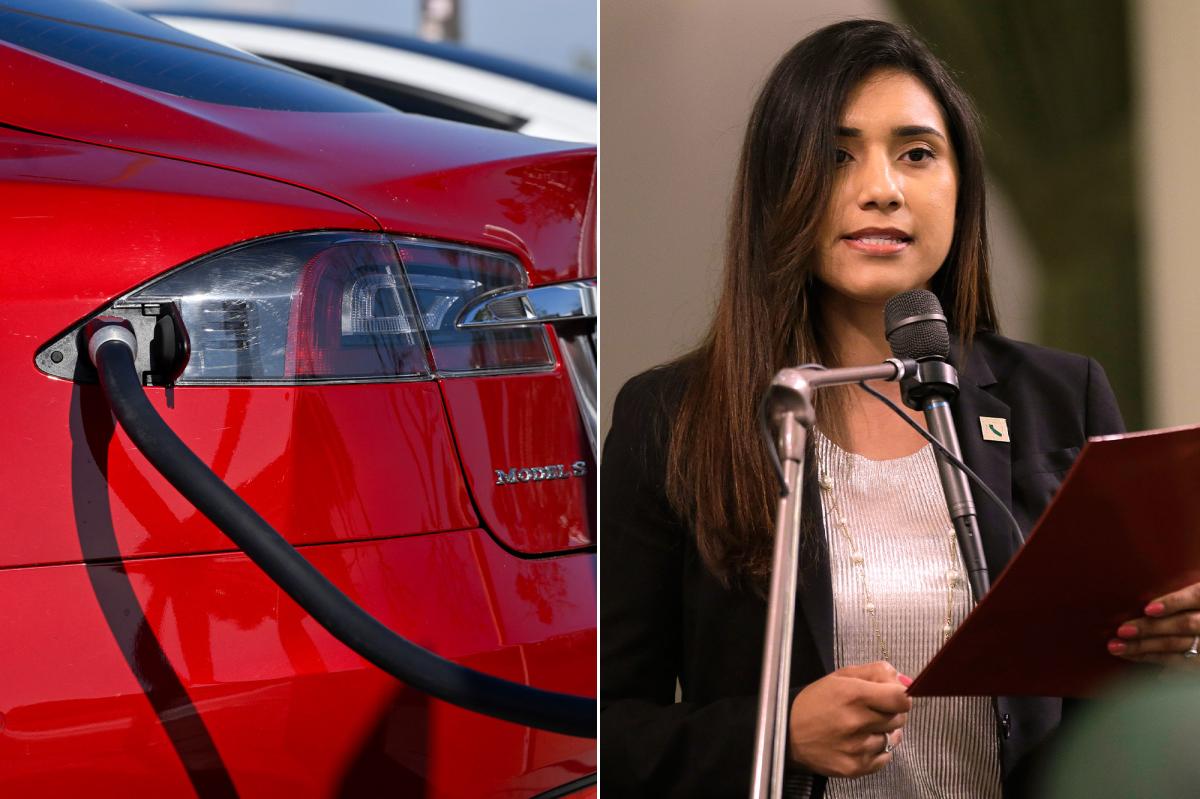
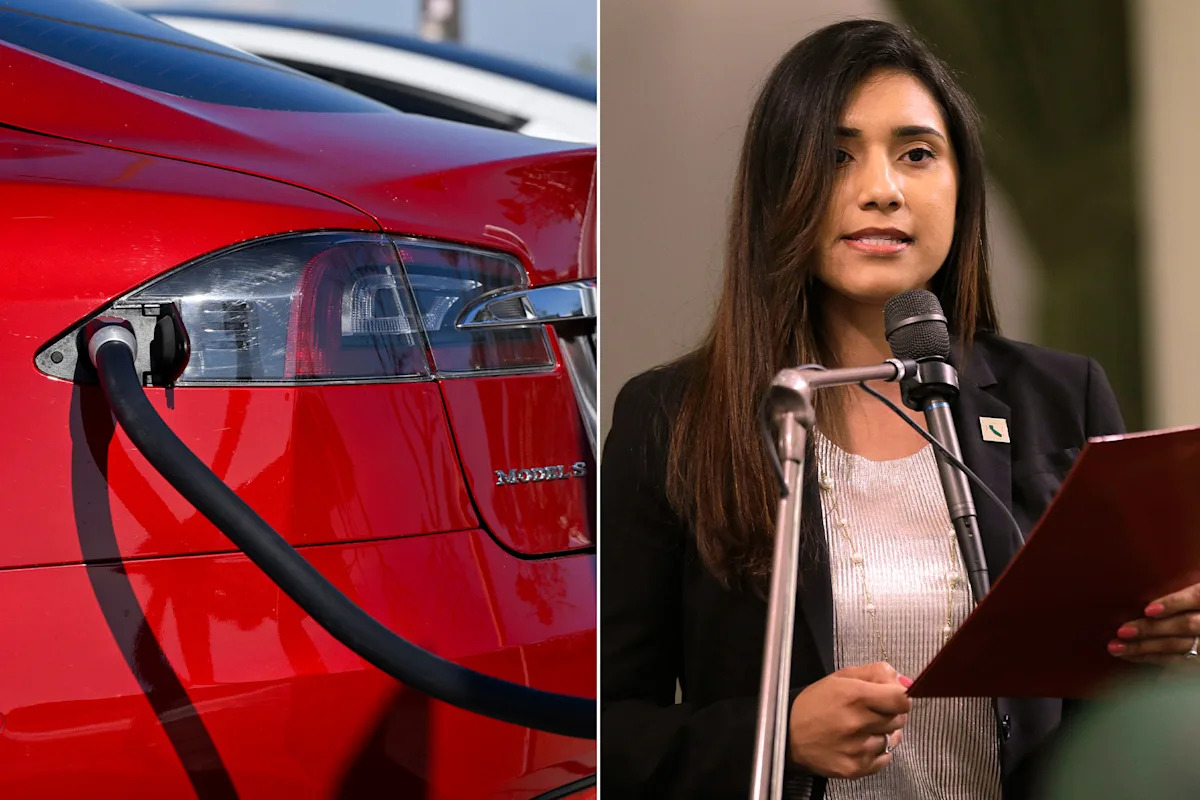
The legislation behind ZAP, Assembly Bill 193, was signed by Jerry Brown back in 2018. The $10 million in funding came four years later, tucked into a trailer bill inside Gavin Newsom’s $2.5 billion zero-emission vehicle spending package. It piloted in select counties before expanding statewide. After all that runway, CARB spokesperson Lindsay Buckley confirmed that only “a handful of vehicles have undergone initial inspections.” No repairs completed. Not one.
The program does target a real anxiety. Battery replacement on an older EV can run $5,000 to $15,000 or more, and for low-income buyers who got into these cars through state assistance programs, that bill is a death sentence for the vehicle. ZAP requires batteries to be below 70 percent of original capacity to qualify — a threshold most modern EV packs won’t hit for years, if ever.
So you have a program designed to solve a problem that rarely occurs, restricted to a population so small it could fit in a mid-size apartment complex, funded by millions in taxpayer money that hasn’t actually been spent on its stated purpose.
Republicans pounced. “California is now using taxpayer dollars to bail out a policy failure it created,” said Jason Isaac, CEO of the American Energy Institute. House Energy and Commerce Chairman Brett Guthrie called forced EV adoption unreliable, costly, and tied to Chinese supply chains. House Republicans have subpoenaed CARB Chair Lauren Sanchez for documents related to California’s 2035 zero-emission sales mandate.
The political timing is combustible. President Trump has already killed federal EV tax credits and blocked California’s zero-emission mandate. Newsom responded by announcing a $200 million state rebate plan to prop up lagging EV sales, though details remain vague months later.
ZAP lands in the middle of this tug-of-war, a modest program dressed up as consumer protection but functioning more as a political signal — proof that Sacramento stands behind the EVs it pushed people to buy.
For the 1,300 or so owners who actually qualify, ZAP is a legitimate safety net, assuming their batteries actually fail and they can find a ZAP-approved diagnostic shop. For everyone else with a degraded EV battery in California, it’s a press release.
Ten million dollars allocated. Zero batteries replaced. Thirteen hundred cars eligible out of 2.5 million. The math tells you everything about where California’s EV ambitions stand right now: long on commitment, short on follow-through, and increasingly under siege from Washington.


Share this Story