


Ford’s European market share has cratered to 2.8 percent. The Focus is dead. The Fiesta is dead. The Mondeo is dead. The company that once sold millions of passenger cars across the continent is now clinging to two crossovers — the Puma and Kuga — while the rest of the lineup is a ghost town.
The fix? Borrow someone else’s homework.
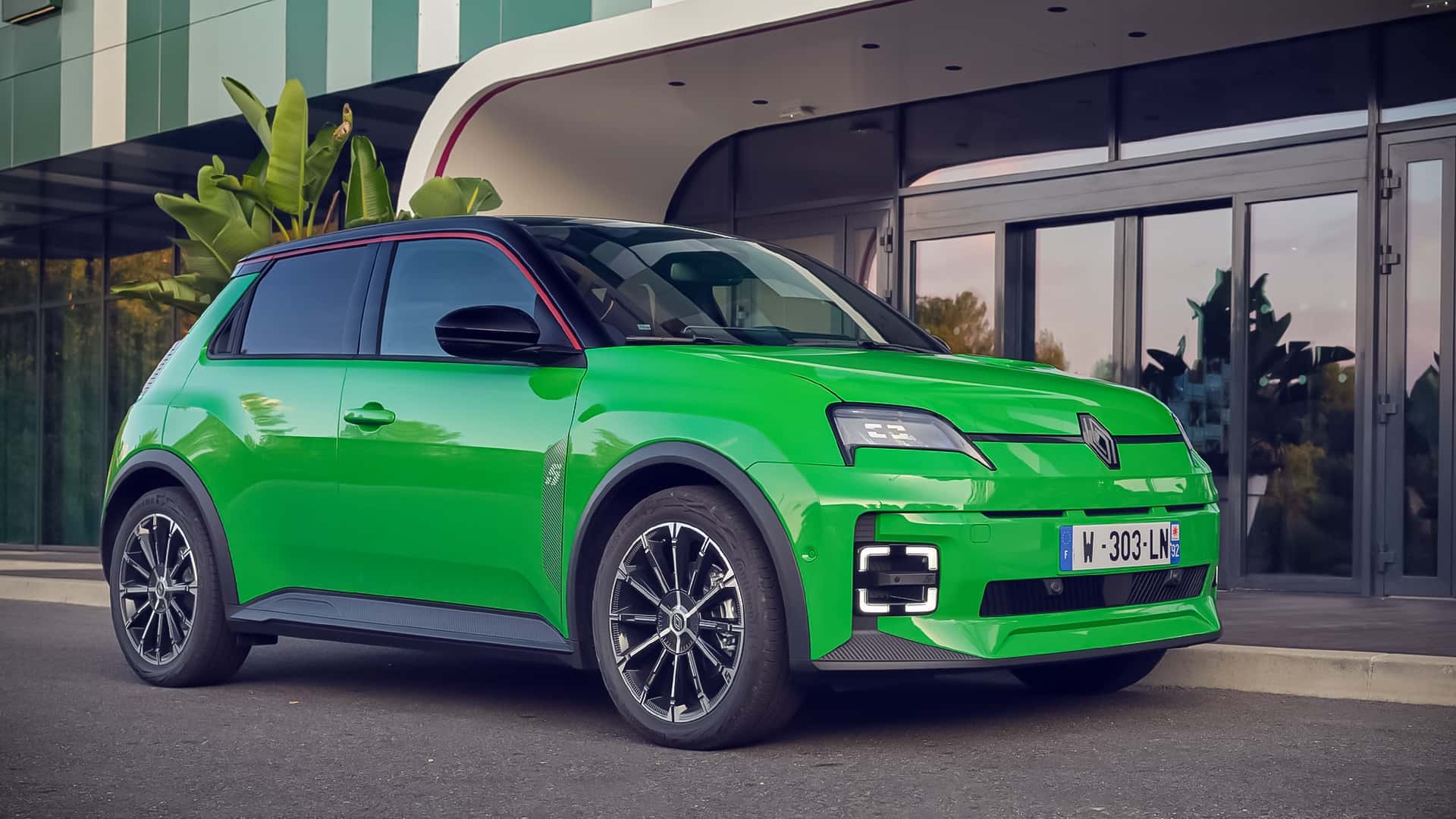
Ford will build its next generation of compact European EVs on Renault’s Ampere platform, the same architecture underneath the Renault 5 E-Tech and the upcoming Twingo. It’s a partnership born not of ambition but of survival, a tacit admission that Ford cannot develop an affordable small-car EV platform on its own timeline or budget.
CEO Jim Farley is selling it with characteristic bravado. He’s promised “passion products” and pledged “no more generic vehicles,” insisting these Renault-based Fords will carry a distinct “swagger” that separates them from their French underpinnings. The blue oval, he wants you to believe, will still mean something on the showroom floor.
That’s a tall order when your car shares its guts with a Twingo.
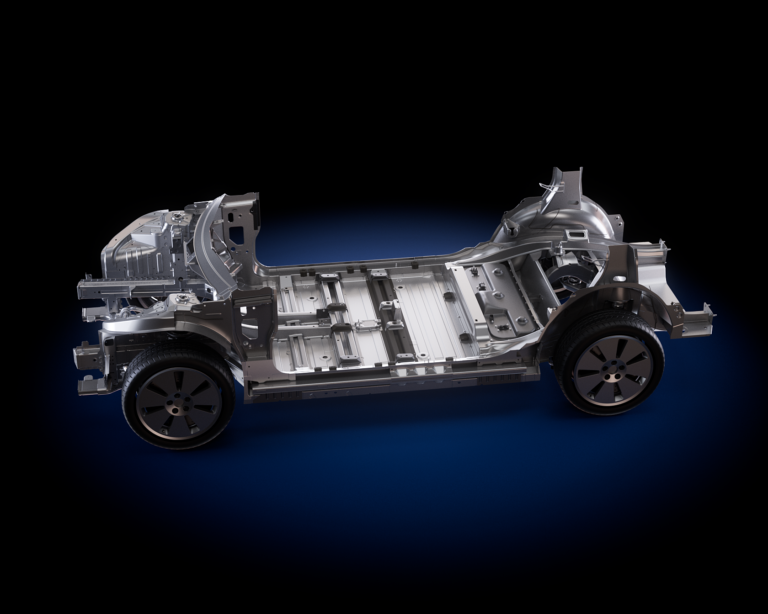
The Ampere platform is genuinely clever engineering — Renault designed it specifically for affordable, urban-focused EVs. For Ford, licensing it avoids the billions required for ground-up development and gets product into showrooms faster than any internal program could. On paper, the math works.
The calendar doesn’t. Ford’s first Renault-based EV won’t arrive until early 2028. That’s a two-year product desert in the fastest-moving segment in the European market, a gap that Chinese manufacturers are filling with alarming speed.
BYD and SAIC aren’t waiting. They’re pricing aggressively, expanding dealer networks, and launching new models every few months. By the time Ford shows up with its Ampere-based compact, the battlefield will look nothing like it does today. The competitors Ford is designing against right now may already be obsolete by launch.
Ford’s commercial van business remains a fortress in Europe — the Transit line prints money. But vans don’t build a consumer brand. Without passenger cars on the road, Ford becomes invisible to the average European buyer, a logo you see on delivery trucks but never in your neighbor’s driveway.
The Renault partnership is a pragmatic lifeline, not a strategy. It buys time. It fills a hole. But it also raises uncomfortable questions about what Ford of Europe actually is anymore.
When your platform is French, your engineering is shared, and your unique contribution is styling and brand positioning, you’re functioning less like an automaker and more like a coachbuilder with a famous badge.
Farley’s “swagger” promise will live or die in execution. Renault’s own designers aren’t exactly coasting — the Renault 5 revival is one of the best-looking affordable EVs anyone has produced. Ford’s design team will need to create something equally compelling but unmistakably different on the same bones. That’s possible, but it demands a level of creative discipline Ford of Europe hasn’t shown in years.
The real gamble isn’t the platform. It’s the clock. Two years is an eternity in a market where Chinese brands are launching new models faster than Europeans can approve regulatory paperwork.
Ford is betting that its name, its dealer network, and whatever swagger it can muster will be enough to win back buyers who’ve had 24 months to fall in love with someone else. History says late arrivals to an EV price war don’t get second chances. Ford of Europe is about to test that theory with everything it has left.
Share this Story