


American Honda moved 336,830 vehicles in the first quarter of 2026. The company calls that strong. The year-over-year math says otherwise: total sales dropped 4.2 percent, and March alone fell 12 percent.
Both numbers are true, and the tension between them tells the real story.
Last spring, buyers stampeded into dealerships to beat incoming tariffs. That panic buying inflated March 2025 into an artificial peak, making this year’s comparison brutal on paper. Honda VP of Auto Sales Lance Woelfer practically begged analysts to ignore the year-ago comp. “The comparison to a year ago isn’t a good barometer,” he said.
Strip away the tariff distortion, and something more interesting emerges beneath the headline figures. Honda’s product mix is undergoing a quiet but dramatic transformation.
Hybrids set an all-time Q1 record at 95,882 units. That is not a rounding error. CR-V and Accord hybrids now account for more than 55 percent of their respective model sales.
The Civic hybrid posted its own Q1 record. Meanwhile, the Prologue EV managed just 1,500 units — an afterthought next to the hybrid tsunami.
The market is telling Honda something, and Honda is listening. Buyers want electrification they don’t have to think about — no charging infrastructure anxiety, no range math, no lifestyle changes. Hybrids deliver that. Full EVs, at least in Honda showrooms, still don’t.
Passenger cars climbed 7 percent year-to-date even as trucks cratered 8.4 percent. In March, the split was starker: cars basically flat, trucks down nearly 17 percent. Some of that is the tariff pull-ahead hangover hitting big-ticket trucks harder.
But the car resurgence is real. Civic and Accord are dragging Honda’s sedan business back from the grave the industry spent a decade digging.
The Prelude moved 280 units — modest but deliberate. Honda is clearly managing that launch with surgical supply, keeping demand ahead of inventory.
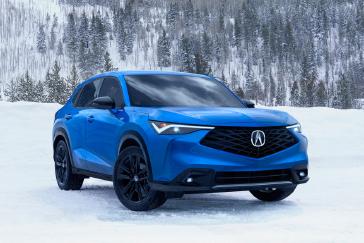
Over at Acura, the luxury brand outperformed its parent. Q1 sales hit 32,352 units, up 5.2 percent, the best first quarter in four years. The new ADX and a refreshed Integra combined to crack 5,000 units in a single month for the first time ever.
Integra alone surged 42 percent in March to 2,730 units. Acura SUVs posted their strongest Q1 in six years.
The ADX is grabbing 30 percent retail share in its segment. The Integra owns 35 percent of its competitive set. For a brand that spent years struggling to define itself against Lexus and BMW, those are serious numbers built on accessible entry points rather than aspirational flagships.
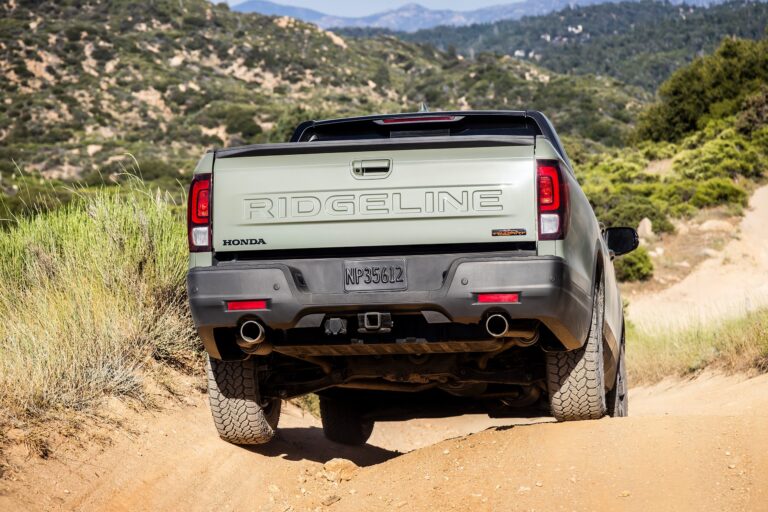
Passport deserves a nod. TrailSport trims now represent over 80 percent of Passport sales, meaning buyers aren’t choosing a Passport and adding the rugged package — they’re coming specifically for TrailSport. That trim has essentially become the model.
CR-V remains the workhorse at 40,793 units in March, its best showing in 11 months. Pilot and HR-V each topped 11,000. The Odyssey, that stubborn minivan survivor, moved 7,262 units in a segment most competitors abandoned.
The raw totals are down. Honda knows it. But the composition of those sales — hybrids surging, cars rising, Acura growing, TrailSport dominating its nameplate — reveals a company whose portfolio is shifting faster than the top-line numbers suggest. The tariff hangover will fade. The mix Honda is building won’t.
Share this Story