
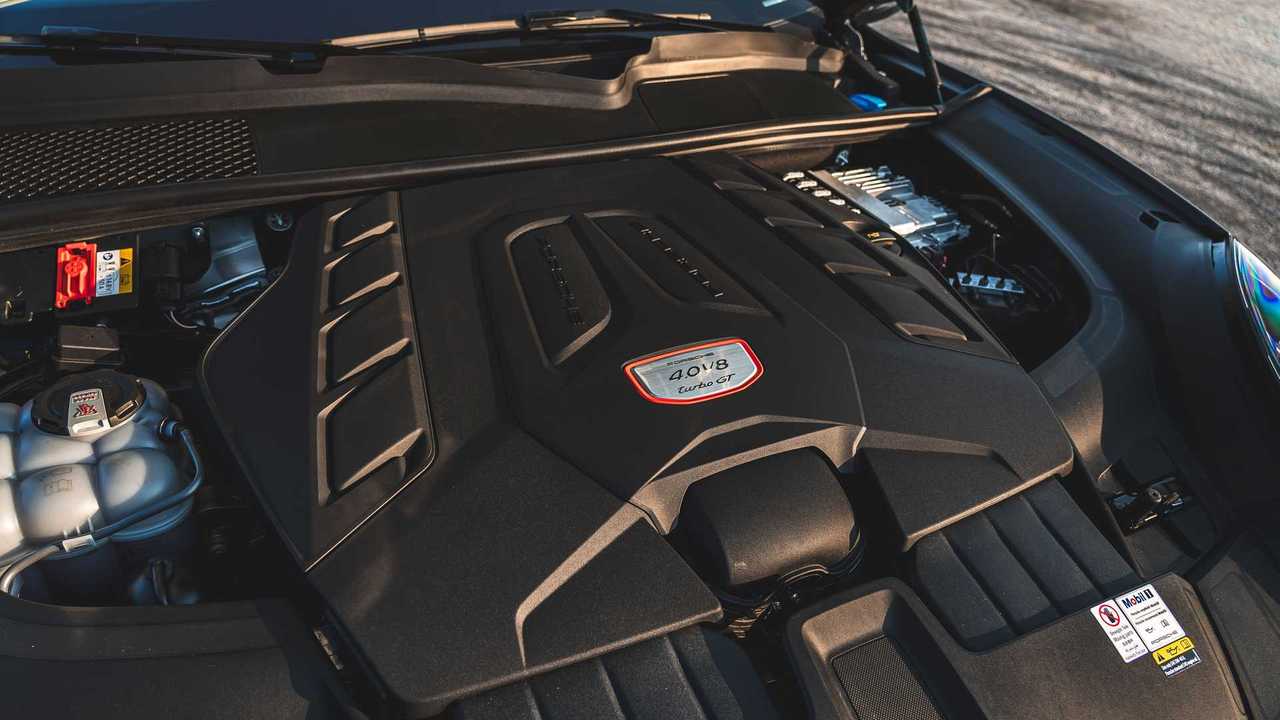


Porsche just confirmed what the market has been screaming at it for two years: the combustion-powered Cayenne isn’t dying. It’s getting a full generational replacement. Ralf Keller, Porsche’s project manager for the Cayenne, told Auto Express that a fourth-generation gas-powered model will arrive around 2028 or 2029, with hybrid and plug-in hybrid variants extending well into the next decade.
We plan to have these combustion engines and hybrids far into the next decade,” Keller said. That’s not hedging. That’s a commitment.
The timing is telling. Porsche already launched an all-electric Cayenne, mechanically unrelated to the combustion version and sharing nothing but the badge. The two models will coexist — same showroom, same nameplate, completely different DNA. It’s a quiet admission that the EV-only future Porsche once projected for itself isn’t arriving on schedule.
The current third-generation gas Cayenne dates to 2017 and got a midcycle refresh for 2024, but it’s showing its age. Rather than run it into the ground while waiting for EV demand to catch up, Porsche is doing something more aggressive: investing in a clean-sheet ICE successor. That’s not a company in retreat. That’s a company reading a balance sheet.
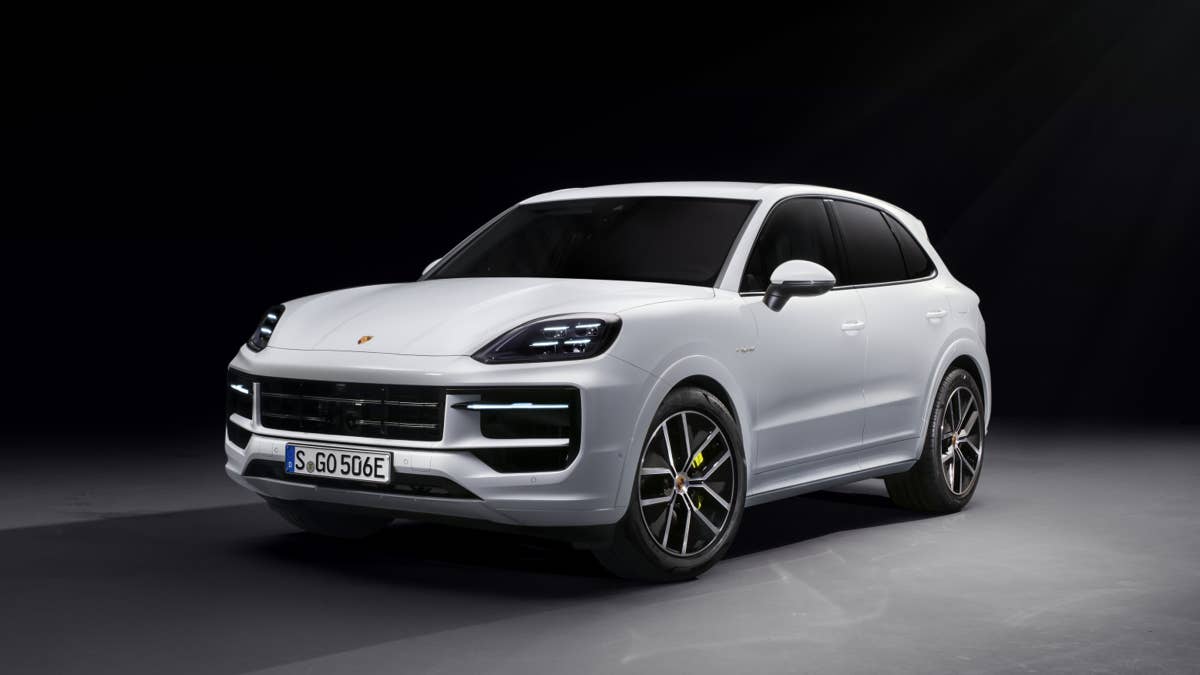
The architecture underneath will be familiar territory. Keller confirmed the next Cayenne will use either the MLB-Evo or PPC platform, both shared with Audi. “It was always successful to share these things,” he said.
The current Cayenne already rides on MLB-Evo alongside the Audi Q7, though Porsche has always been careful to point out that only the basic structure is shared. Suspension, powertrain calibration, and almost everything the driver touches is developed independently.
That independence may shrink. Porsche and Audi recently announced deeper collaboration across their SUV lineups. The next-generation Macan will lean on the current Q5, a new three-row Porsche crossover will be closely related to the upcoming Q9, and the fourth-gen Cayenne will follow the same playbook.
Deeper platform sharing with Audi saves billions in development costs, but it also tightens the engineering leash. Porsche has always justified its price premiums by pointing to bespoke tuning and exclusive technology. How much of that separation survives when the corporate ties get stronger is the question nobody at Volkswagen Group wants to answer publicly.
There are some promising signs. Keller hinted the ICE Cayenne could inherit the Active Ride suspension system from the electric version, which would be a first for any Porsche combustion vehicle. Dimensions should stay roughly the same as the current model, especially since the upcoming three-row crossover will handle the bigger-is-better crowd.
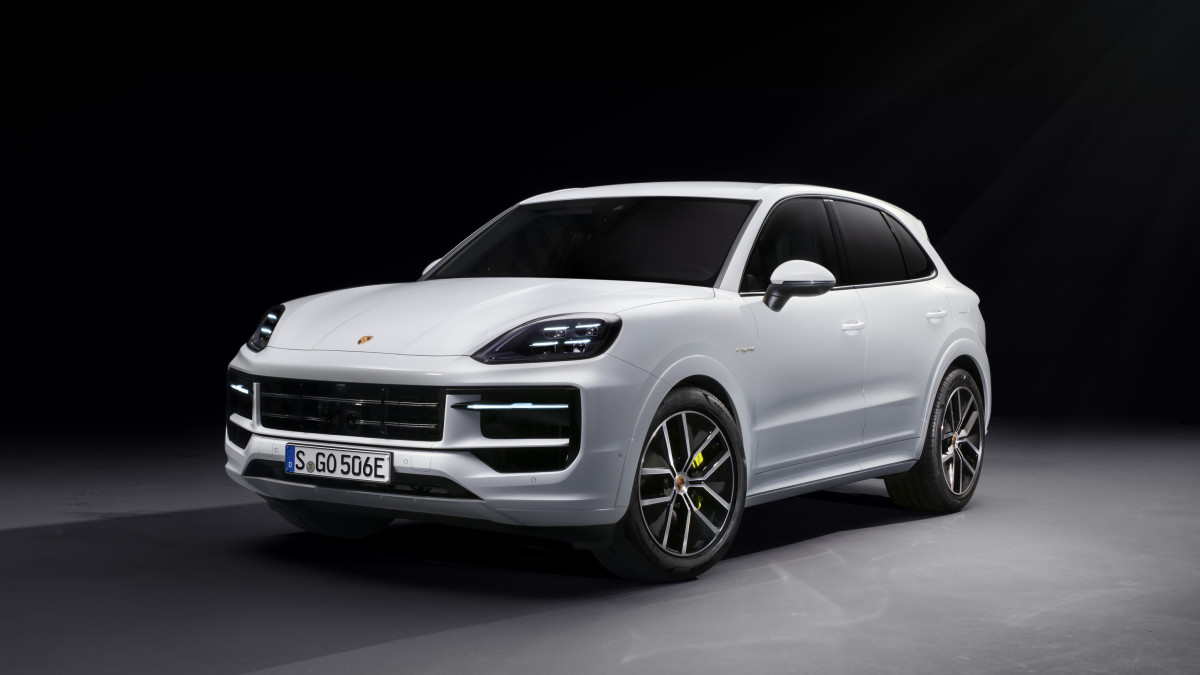
Powertrains will lean harder into electrification. Mild-hybrid and plug-in hybrid options are expected, with Europe’s tightening emissions rules likely pushing Porsche toward something resembling Audi’s RS 5 setup — a twin-turbocharged V6 mated to a plug-in hybrid system. That’s not a bad formula. It keeps the engine loyalists happy while keeping Stuttgart out of regulatory crosshairs.
The broader picture here is a company recalibrating in real time. Porsche bet heavily on electrification, pouring resources into the Taycan and the electric Macan and Cayenne. Sales didn’t follow the projections.
Now Porsche is doing what any smart manufacturer does when the market talks back: it listens. A brand-new gas Cayenne arriving at the end of the decade, running on shared Audi bones with electrified powertrains, is pragmatism dressed in a Porsche crest. Whether that’s enough to protect the brand’s premium identity while the accountants in Wolfsburg push for more parts sharing is the real tension Porsche will have to navigate for the next five years.
Share this Story