
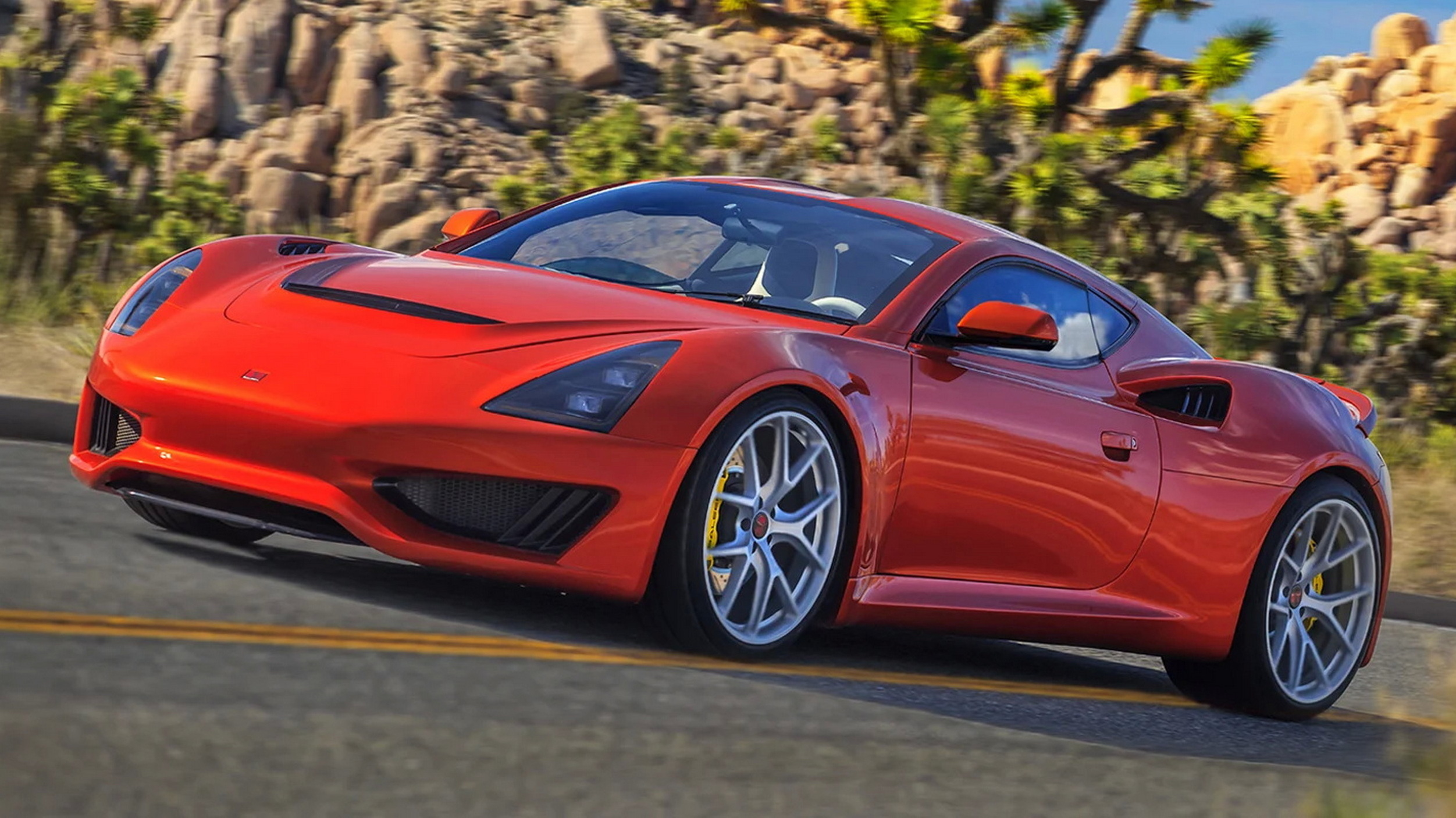


Nine years after Steve Saleen unveiled the S1 sports car with a $100,000 price tag and promises of a 2018 summer launch, the company is once again accepting $1,000 refundable deposits. The price is now $160,000. There is still no delivery date.
Saleen’s reservation page is live. Buyers can put down $1,000 for the S1 Street, described as fully refundable. A track-only S1 Race version starts at $250,000 with a $2,000 deposit. Neither listing includes a delivery charge, and neither includes a delivery timeline.
This is not a new play. Saleen ran the same routine in December 2017, when it announced that a $1,000 deposit would secure an order. Production was supposed to begin at its Corona, California facility, with an annual run of 1,500 cars. That production run never materialized. The price has climbed 60 percent since then, and the deposit structure is identical.
The spec sheet has held up better than the timeline. Saleen claims 450 horsepower, 425 lb-ft of torque, a 3.2-second 0-60 mph sprint, and a 171 mph top speed for the street car. The Race version shaves that sprint to 2.9 seconds and bumps top speed to 180 mph. Those numbers were competitive when the car was announced. In 2026, they sit squarely in a class crowded by cars you can actually buy.
The S1 has at least turned a wheel in anger. Cup versions ran in Saleen’s own racing series back in 2019, which gives the project a heartbeat that pure vaporware lacks. But six years have passed since those track outings, and the jump from a series-spec race car to a road-legal, emissions-compliant, crash-tested production vehicle is where ambitious small-volume programs go to die.
The parallels with Tesla’s second-generation Roadster are almost too convenient. Tesla unveiled that car the same month Saleen was collecting its first S1 deposits, took $50,000 reservations, promised 2020 production, and recently reopened reservations with no cars delivered. At least Tesla has the excuse of running a sprawling global automaker while fumbling its halo car. Saleen’s entire business identity revolves around low-volume performance machines.
Small sports car companies operate in a brutal space. Engineering a car is expensive. Certifying it is worse. Customers who put money down on niche products from small manufacturers are lending money at zero interest against a promise, and the promise carries no contractual delivery obligation beyond the refundability of the deposit.
Saleen has navigated financial turbulence before. The company emerged from a complicated corporate restructuring years ago, and Steve Saleen’s name still carries weight among enthusiasts who remember the Mustang-based Saleens and the S7 supercar. Brand loyalty, though, has limits. A decade of deposits without deliveries tests even the most devoted fans.
The $160,000 asking price now places the S1 in direct competition with the Porsche 911 Turbo, Chevrolet Corvette ZR1, and a range of established machines that exist in showrooms today. Competing against those cars on paper is one thing. Competing when your car doesn’t have a production date is something else entirely.
Saleen’s website remains conspicuously silent on when the first customer will take delivery. The deposit button works. The calendar does not.
Share this Story