
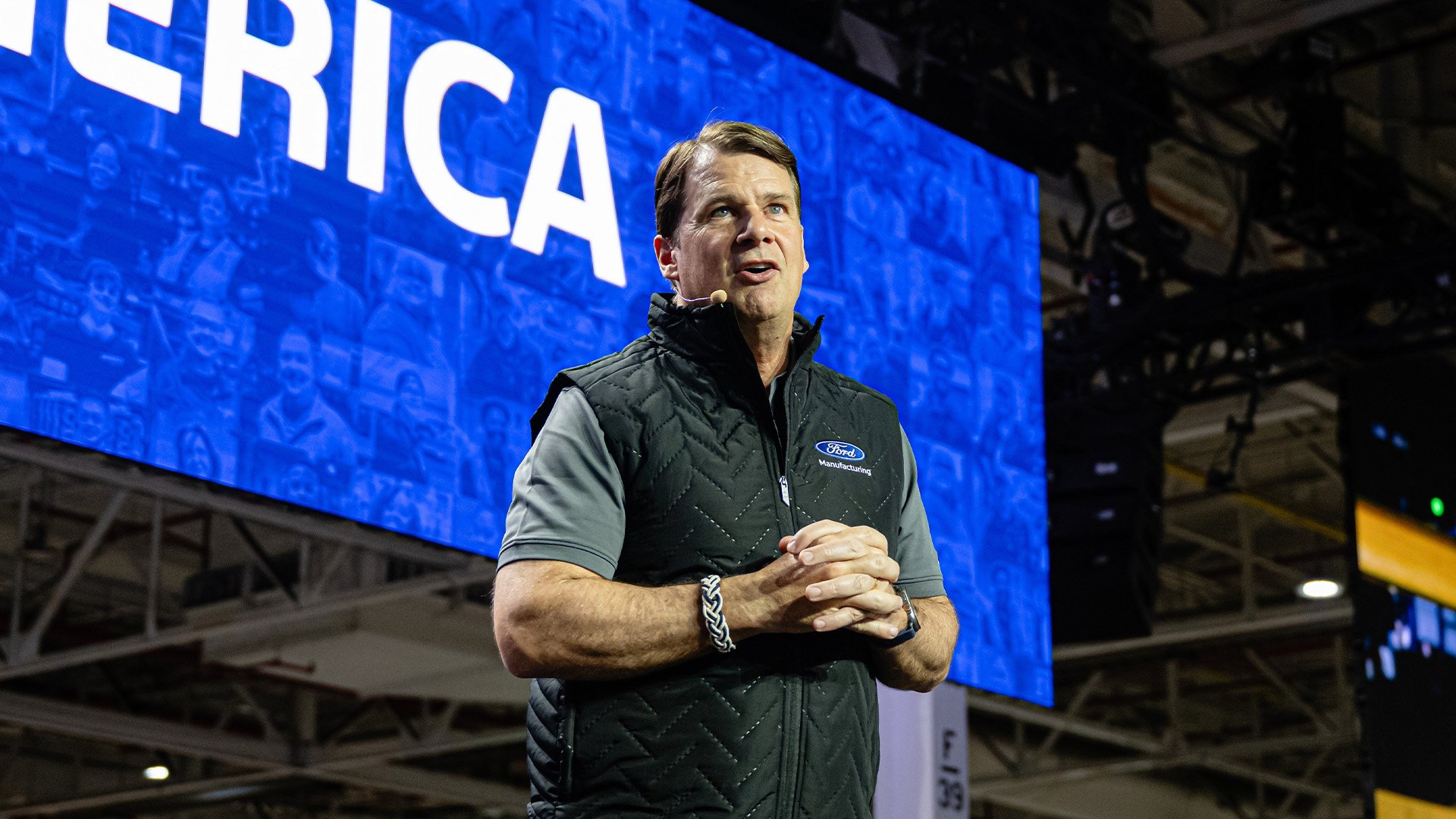


Ford CEO Jim Farley isn’t mincing words about what Chinese automakers could do to the American market. Speaking to Reuters, Farley said the U.S. must “be extremely careful around how the Chinese OEMs come to our country,” pointing to Europe as a cautionary tale where Chinese imports rapidly seized market share from established players. “It’s too late” for European countries, he said.
That phrase, “too late,” carries weight coming from the head of America’s second-largest automaker. Farley isn’t talking about some distant hypothetical. He’s watching it happen in real time across the Atlantic, where brands like BYD, MG, and others have carved out positions that legacy European automakers are now scrambling to defend.
The timing of Farley’s warning is telling. It arrives as the broader U.S. auto industry is already reshaping itself under financial pressure. General Motors just got confirmation from the U.S. Department of Transportation that relaxed fuel economy rules will save it $20.4 billion in technology costs through 2031. GM called the rollback a move to “better align fuel economy standards with market realities.”
Those market realities include the fact that American automakers still lean heavily on trucks and SUVs for profit, while Chinese competitors have spent years perfecting affordable EVs and hybrids for mass consumption. The cost advantage Chinese manufacturers hold in battery production and supply chain integration is not something a regulatory rollback can erase.
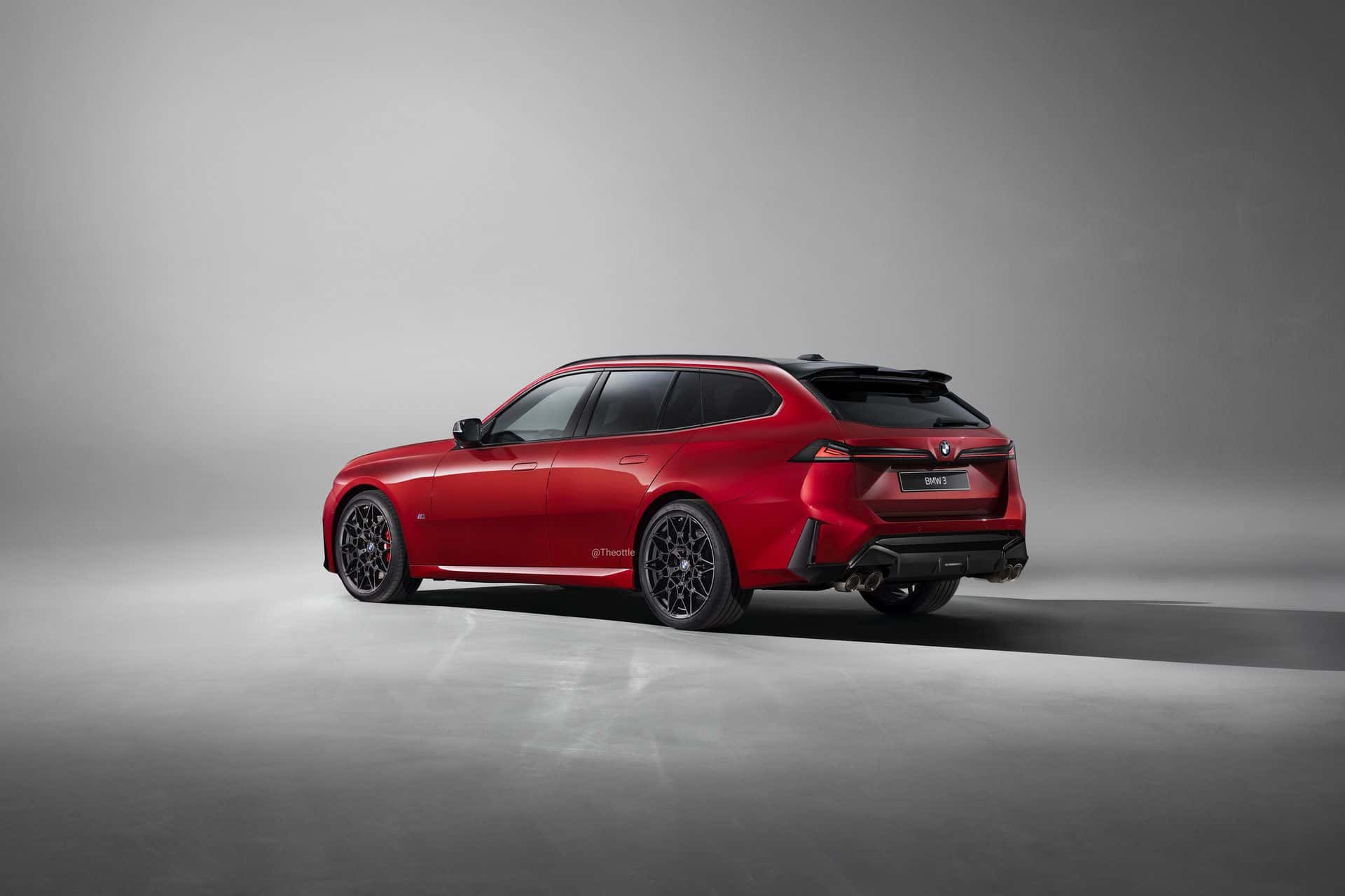
BMW is telling a parallel story from the European side. The German automaker’s comeback plan, reported by Bloomberg, relies on simplifying its business, trimming its lineup, cutting costs, and pushing customers toward more expensive vehicles. That’s the playbook of a company playing defense, not one on the attack. When your strategy is to sell fewer, pricier cars while hoping customers don’t notice the cheaper, well-equipped alternatives rolling off Chinese assembly lines, the math gets uncomfortable fast.
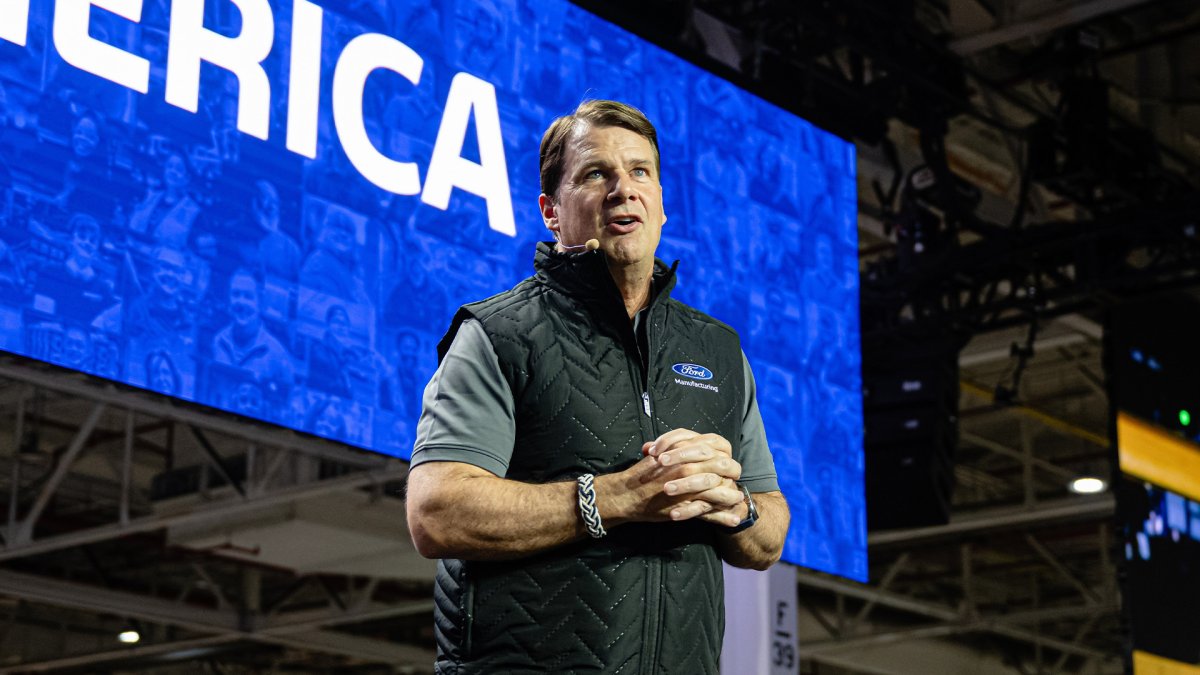
Farley’s concern isn’t academic. Ford has studied the Chinese market more closely than most Detroit competitors. Farley himself has driven Chinese EVs and publicly acknowledged their quality. He knows what’s coming isn’t some wave of disposable junk.
These are sophisticated vehicles built at scale by companies that have mastered vertical integration in ways that Ford and GM have spent decades trying to achieve. The current tariff wall, sitting at 100 percent on Chinese-made EVs, is the only thing keeping the floodgates shut. But tariffs are policy decisions, and policy decisions change with administrations.
Chinese automakers are already establishing footholds through manufacturing in Mexico, Thailand, and other countries that could eventually serve as back doors into the American market. Farley’s bluntness stands in contrast to the quieter maneuvering happening elsewhere.
GM is banking on next-generation lithium-manganese-rich batteries to be built at its Spring Hill, Tennessee plant, with vehicles arriving in 2028. That’s two years from now. BYD is already shipping its second-generation Blade batteries in cars that cost half what a comparable American EV does.
The question Farley is really asking isn’t whether Chinese automakers will enter the U.S. market. It’s whether anyone in Detroit will be ready when they do.
Share this Story