
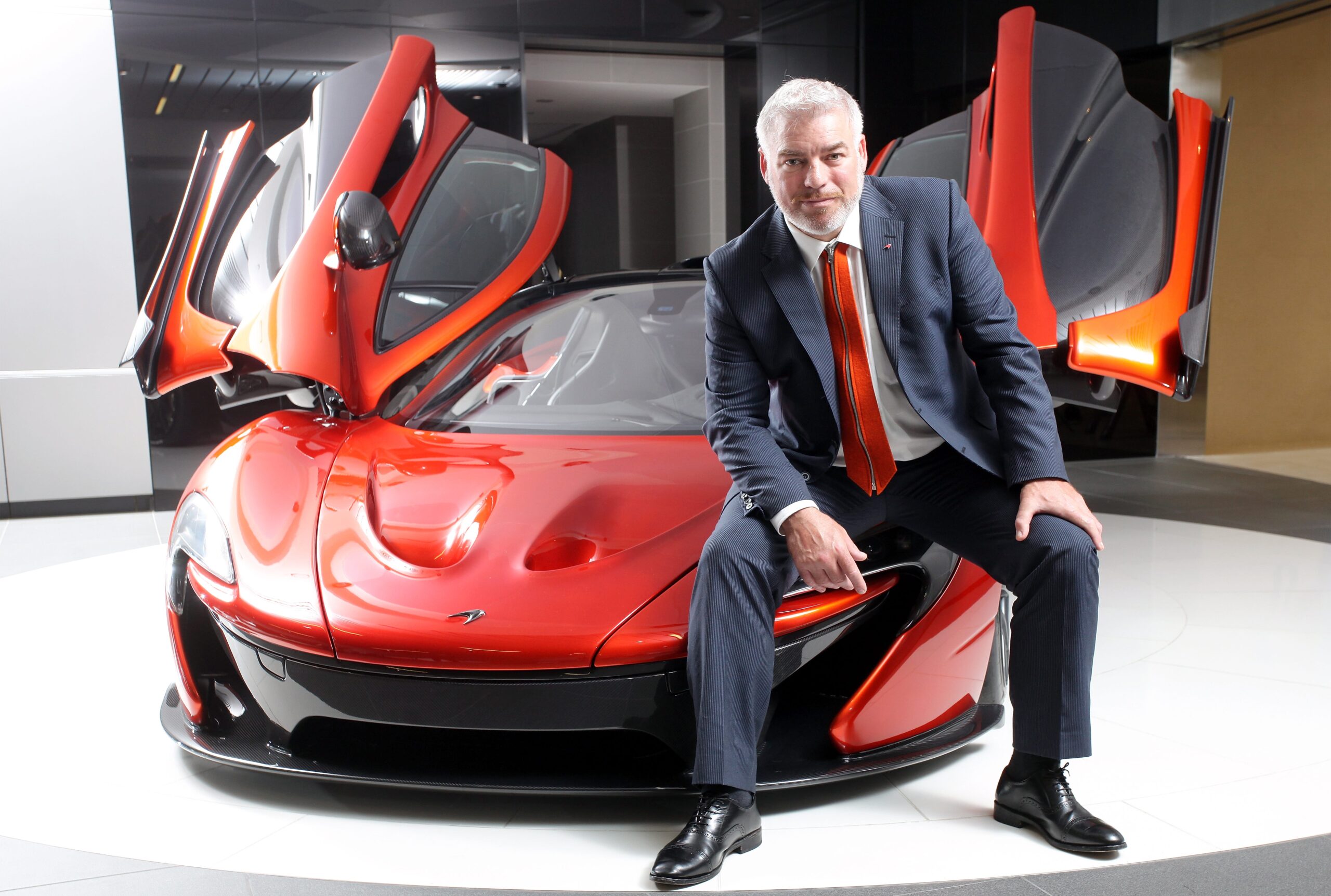


A startup promising a $21,500 combustion-powered pickup truck with 500,000-mile durability just hired the man who designed the McLaren P1. That sentence alone tells you everything about how wild the truck market has become.
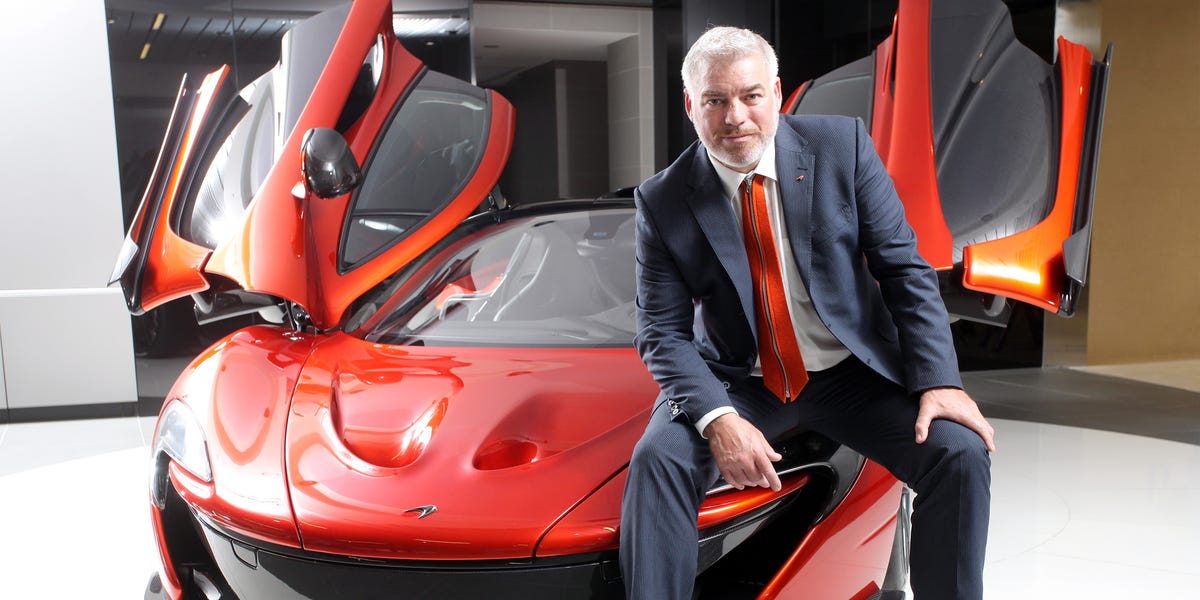
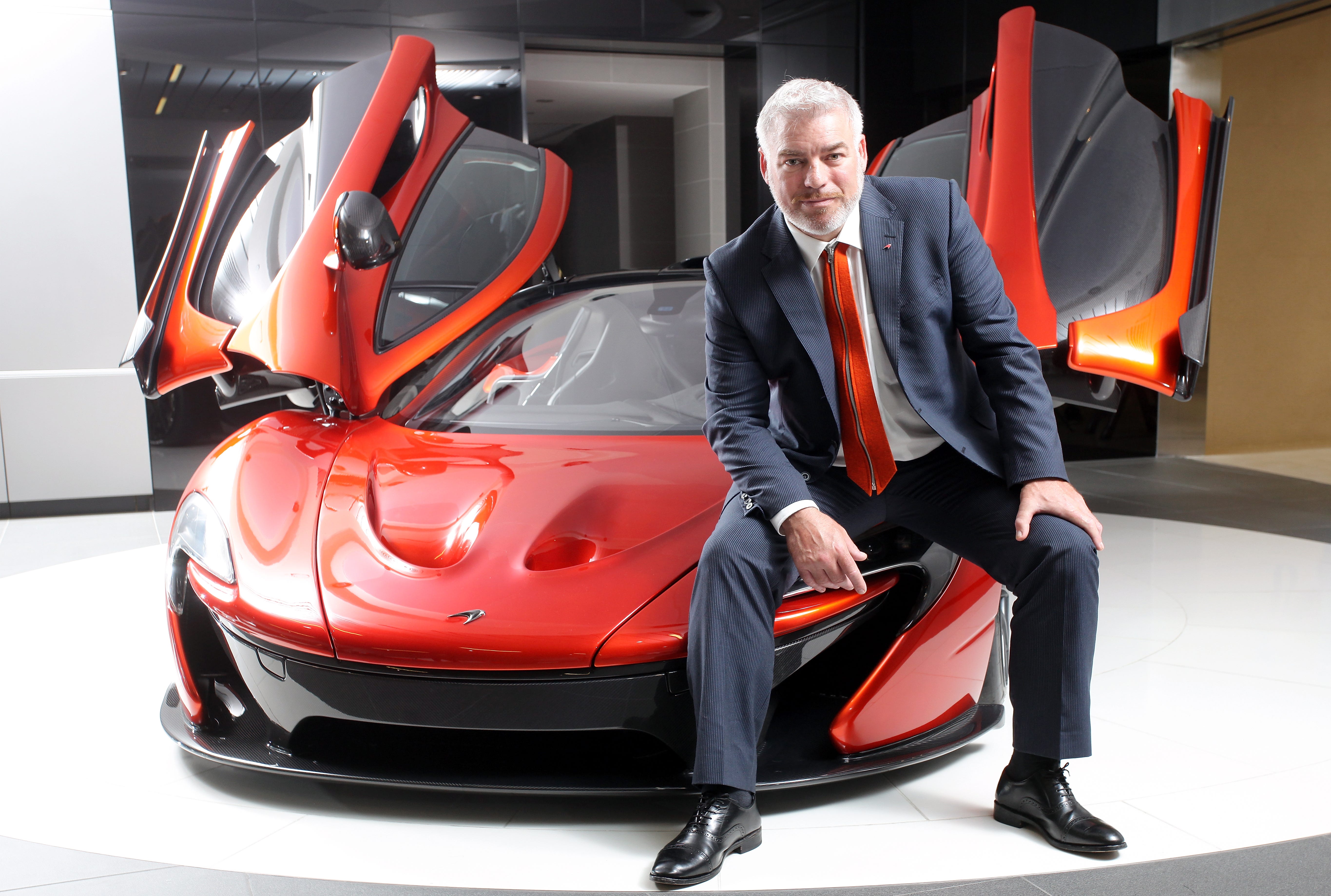
REO Trucks, a Texas-based company with no vehicles on the road and no factory producing them, announced that Frank Stephenson has been working on the design of its three-vehicle Runabout lineup. Stephenson’s resume reads like a greatest-hits album of automotive design: the BMW X5, the modern Mini, the Fiat 500, the P1.
But it’s the Mini and the Fiat 500 that matter here more than any supercar. Both were exercises in restraint, cars that made simplicity feel intentional rather than cheap. REO is banking on that same sensibility translating to a bare-bones work truck, an extended-cab variant, and an SUV.
The pitch is aggressively retro. No touchscreens. Real switches and levers. Combustion engines. Owner-serviceable mechanicals that don’t require a dealership diagnostic port. Think 1985 Toyota Hilux with modern crash standards. REO wants to build the truck that half the internet claims to want but that no major automaker seems willing to make anymore.
The $21,500 price target is the sharpest hook and the tallest cliff. Ford’s upcoming Fathom EV aims for $30,000, and the Amazon-backed Slate truck is trying to undercut even that. REO wants to go lower still with an internal combustion powertrain, which means competing against the economies of scale that Ford, Toyota, and GM have spent a century perfecting.
Stephenson himself noted the appeal of relaunching a historic nameplate. REO, originally Ransom E. Olds’s second act after Oldsmobile, built trucks until 1967 before the brand dissolved through mergers. The name carries some nostalgic weight, though not enough to substitute for engineering validation or production capacity.
A digital reveal of the Runabout designs is expected later this year, with a physical prototype slated for 2027. Those are the easy milestones. The hard part is everything after: crash testing, EPA certification, supplier contracts, factory tooling, quality control, warranty infrastructure.
Rivian has burned through billions to reach modest profitability. Lordstown Motors promised a simple work truck and went bankrupt. The road from renders to revenue is littered with startups that had great ideas and not enough runway.
Hiring Stephenson is a credibility play, and a smart one. A respected name attached to the project signals to investors and future customers that real professionals are involved, not just pitch-deck entrepreneurs. It doesn’t guarantee the trucks will get built, but it makes the next funding round a little easier to close.
The 500,000-mile powertrain promise deserves particular scrutiny. No production details have been shared about what engine or transmission REO plans to use. Will they source an existing platform, develop their own, or license something from overseas? Each path carries different cost, timeline, and reliability implications, and REO has answered none of those questions publicly.
The appetite for a simple, affordable, analog truck is real. Every comment section under every new $60,000 mid-size pickup confirms that. Whether REO can actually deliver one, at that price, with that durability claim, while navigating federal regulation and startup economics, is a question that Frank Stephenson’s sketches alone cannot answer.


Share this Story