
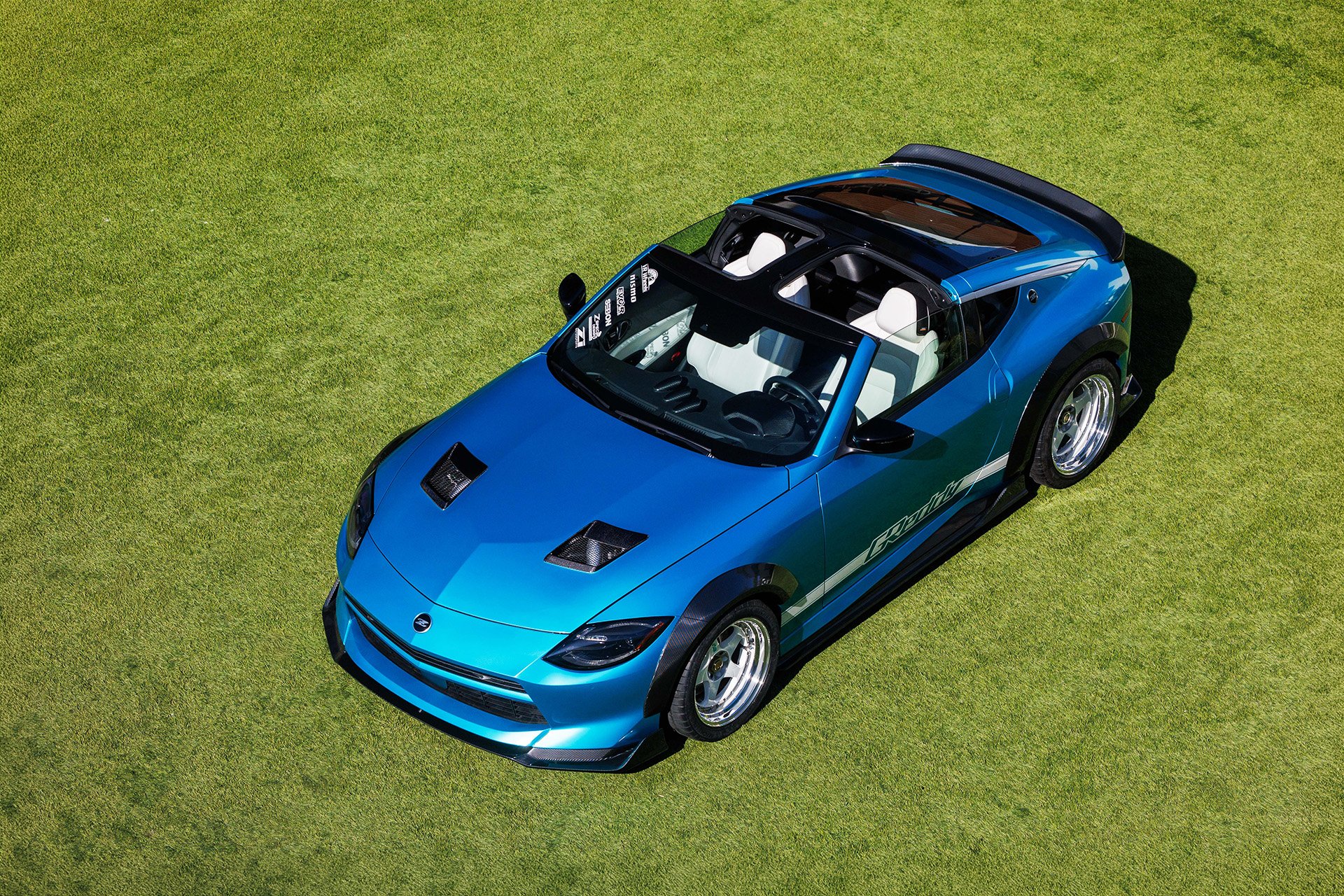


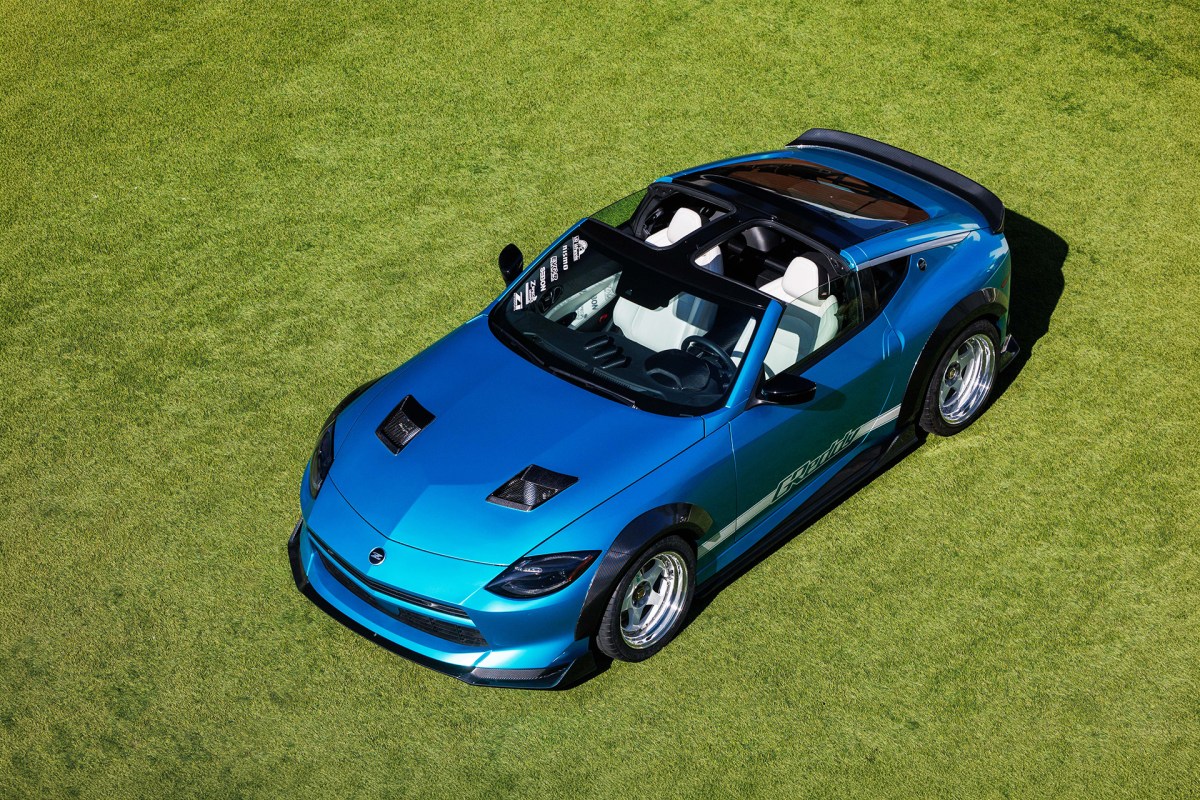
A Nissan executive just told enthusiasts exactly what they want to hear. Senior Vice President Ponz Pandikuthira, speaking about the new Z Kaze T-top concept that debuted Wednesday, put it bluntly: “If you really want this car, be loud and tell Nissan you absolutely want it, because then they’ll build it.”
That’s an unusual thing for an automaker to say out loud. Most concepts arrive swaddled in corporate hedging, destined to collect dust. Nissan is framing this one as a direct transaction: demand equals production.
The Z Kaze is a throwback in the best sense, a modern Z fitted with removable T-top roof panels that defined the 300ZX generation and became one of the most beloved features in the car’s lineage. Pandikuthira called it playing with something, then immediately added that strong public reception would make it real.
But context matters here. Nissan is not operating from a position of strength. The company has spent two years trying to claw its way back from financial distress and announced a sweeping turnaround plan in April.
The pillars of that plan are volume plays: a Rogue Hybrid to challenge the Toyota RAV4, a revived Xterra aimed squarely at the 4Runner, Wrangler, and Bronco. Those are the models that will actually move the needle on Nissan’s balance sheet.
So why is Nissan talking about T-tops and heritage sports cars? Because it needs something else just as badly as sales volume. It needs people to care again.
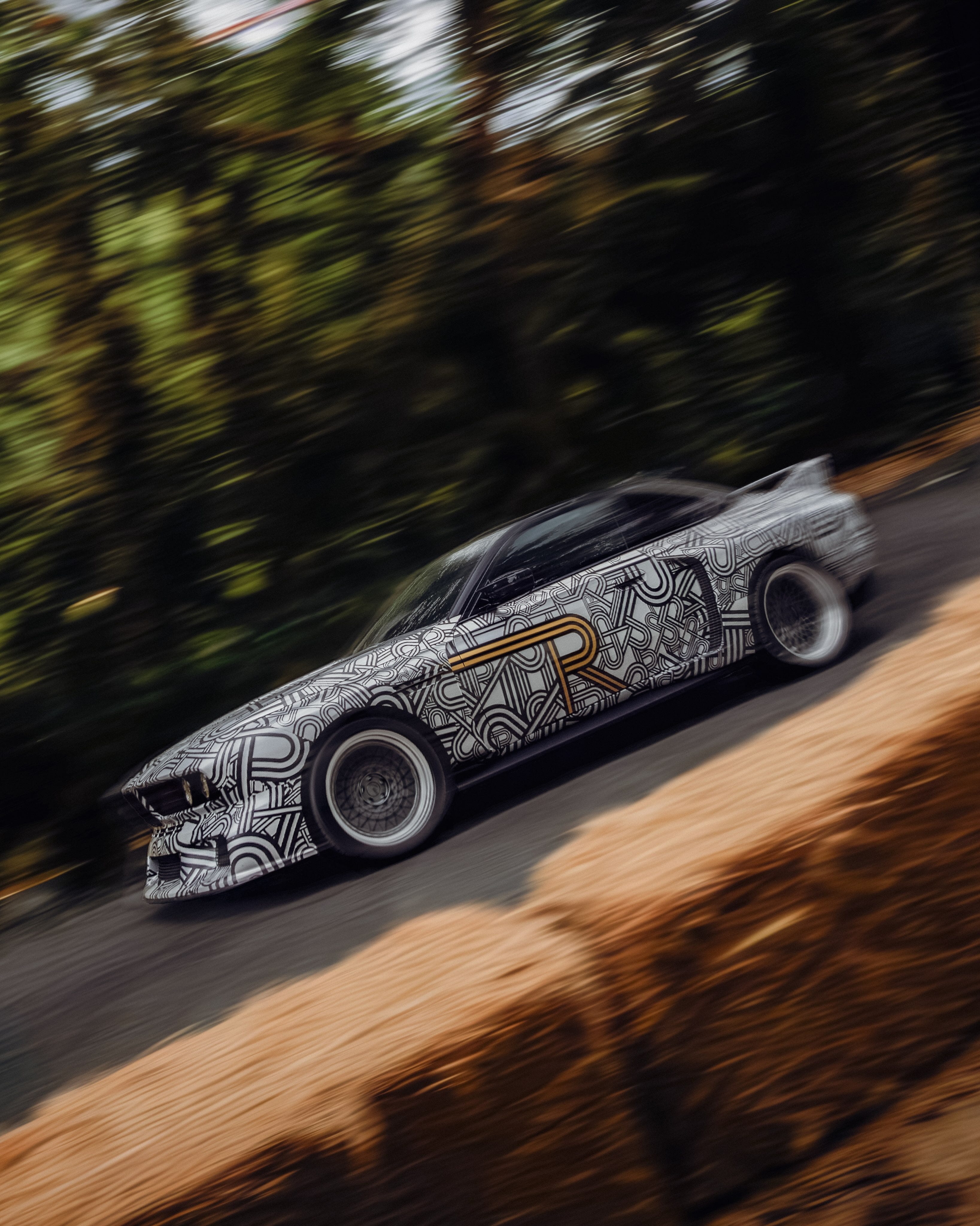
CEO Ivan Espinosa said it plainly: “The sports cars are the core of what we are as a company.” Richard Candler, who runs global product strategy, went further, floating the possibility of reviving the Silvia nameplate and saying there’s “still space” for it. The next GT-R is confirmed for 2030 with an electrified version of the VR38 block.
This is a company building a mythology on paper while scrambling for survival in the showroom. The sports car talk gives Nissan an emotional identity to rally around, a story that dealers and fans can tell each other while the Rogue Hybrid does the unglamorous work of generating revenue.
The ask-and-ye-shall-receive framing is clever marketing, maybe even sincere. But it also shifts risk. If the Z Kaze never materializes, Nissan can say the demand wasn’t there.
If fans do make noise and the car gets built, Nissan looks like it listens. Either way, the company generates buzz at a moment when it desperately needs attention.
Production Z cars have never been high-volume sellers. The current Z, launched to considerable enthusiasm in 2023, has struggled with availability issues, dealer markups, and a market that increasingly favors SUVs over coupes. Adding a T-top variant would be a halo move, not a rescue plan.
Pandikuthira knows that. So does Espinosa. The real question is whether Nissan can afford to build the cars its executives keep promising while simultaneously fighting for survival against Toyota, Hyundai, and a domestic market that has little patience for nostalgia without execution.
The fans will be loud. They always are. Whether Nissan has the cash and the conviction to follow through is a different conversation entirely, one that 2030 timelines and concept reveals don’t answer.
Share this Story