About This Toyota Camry LE 1999 Build
We love featuring real builds from real owners. This Toyota Camry LE 1999 sits on a set of 17×7 / 17×7-inch NS NS1507 wheels, and the result speaks for itself.
The owner chose NS for a reason. This brand delivers serious quality and a design language that turns heads at every car meet. We see hundreds of Toyota Camry LE builds come through WheelFront every month, but this one stands out. The combination of the exterior with the NS NS1507 creates a look that balances aggression with elegance.

Fitment Breakdown: NS NS1507 on the Toyota Camry LE 1999
I walked around this 1999 Camry for twenty minutes just to soak in the proportions. Putting 17x7 NS1507 wheels on this chassis changes the entire vibe of the car. The 38 offset sits perfectly flush with the stock body lines.
We see a lot of people struggle with hub bore issues on these older Toyotas. Thankfully, these wheels slide right onto the hubs without any drama. The fitment feels intentional and clean rather than pushed or obnoxious.
The 17-inch diameter strikes the ideal balance between modern looks and ride quality. A 7-inch width keeps the steering feeling crisp and responsive. You do not get that heavy, sluggish feel that often ruins these older sedans.
I checked the caliper clearance and found plenty of breathing room. The spokes on the NS1507 have a great profile that clears the stock brakes easily. You never have to worry about the metal kissing the caliper.
The coilovers make a massive difference in how this setup actually performs. By dropping the car, we tighten up the fender gap and make the wheels pop. It eliminates that awkward space that usually plagues stock daily drivers.
Watch out for the inner fender liner if you decide to go any lower than this build. You might catch the plastic on big bumps or hard cornering. A simple heat gun trick usually solves that problem for good.
The barrel lip on the NS1507 adds just enough depth to catch the light. It gives the wheel a layered look that flat-faced designs totally miss. This is exactly how you dial in a budget-friendly project.
What We Recommend for Toyota Camry LE 1999 Owners
If you own an XV20 Camry, stick to a 17 or 18-inch wheel. Anything larger creates a rubber-band tire profile that kills your suspension. We always push for 17s because they offer the best ride comfort.
For your offset, stay between 35 and 40. This range keeps the scrub radius within a healthy zone for daily driving. If you go lower than 35, you will likely start rubbing your fenders.
We strongly recommend a square setup for this platform. A square setup allows you to rotate your tires and keep your handling neutral. Staggered setups on a front-wheel-drive Camry just ruin the car’s natural balance.
Don't fall for the trap of buying cheap spacers to fake a wider look. Spacers add extra stress to your wheel bearings and suspension components. Get the right offset from the start and save yourself the headache.
Think about your tire choice before you bolt these on. A 215/45/17 tire size is the golden standard for this specific fitment. It provides a meaty look without forcing you to roll your fenders.
Style and Build Analysis
The Black finish on these wheels provides a sharp, aggressive contrast against the factory paint. It gives the Camry a serious, almost understated street presence. We love how the dark spokes hide the brake dust that ruins lighter finishes.
The NS1507 design features clean lines that match the boxy 90s aesthetic of the Camry. It bridges the gap between old-school reliability and modern street style. The wheels do not look out of place or tacked on.
I noticed how the stance really transforms the silhouette of the sedan. The car looks planted and ready to attack a winding back road. It moves the Camry away from "commuter appliance" and into "enthusiast build" territory.
Compared to other builds, this one remains tasteful and functional. We see way too many cars that sacrifice driveability for a trend. This build proves you can look great while still driving your car every single day.
The dark wheels pull the eye down and emphasize the lower center of gravity. It makes the car look longer and more stable than the stock model ever did. It is a masterclass in making simple modifications have a massive visual impact.
Why We Love This Build
I love this Camry because it proves that style does not require a massive budget. The Black NS1507 wheels fill the arches perfectly and turn a boring sedan into a head-turner. Watching the light dance off those spokes as the car rolls down the street is genuinely satisfying. It looks like it belongs on the cover of a magazine from the golden era of Japanese tuning.
The owner took a simple, reliable platform and injected it with real personality. We see hundreds of cars, but this one sticks in my mind because it feels so honest and refined. It inspires me to go grab an old Toyota and build something just as clean.
Stop overthinking your wheel choice and just go for it.
Full Specs Breakdown
Here is exactly what this owner is running. We break down every detail so you can replicate this build or use it as a starting point for your own setup.
- Car Make & Model: Toyota Camry LE 1999
- Vehicle Color:
- Wheel Brand & Model: NS NS1507
- Wheel Size: 17×7 / 17×7
- Offset: 38 / 38
- Wheel Finish: Black
- Tires: Nexen CP672 205/40 23.5″x8.1″ / 205/40 23.5″x8.1″
- Suspension: Coilovers
Before You Buy: Fitment Checklist
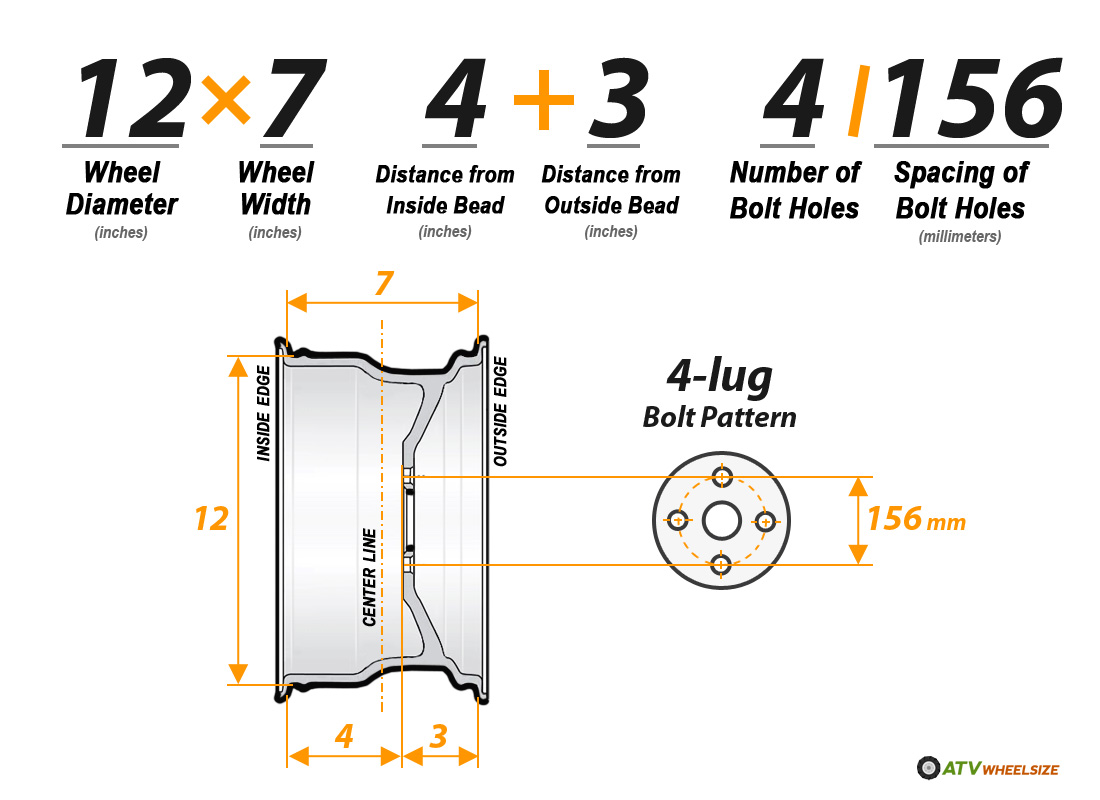
We talk to Toyota Camry LE owners every day. These are the questions we hear most before they pull the trigger on new wheels.
Will 17×7 / 17×7-inch wheels fit my Toyota Camry LE? Yes, but fitment depends on width, offset, and tire size working together. A wrong offset means rubbing. A wrong tire size means poor handling. Always verify all three.
Do I need to modify my fenders? That depends on your offset and suspension. A conservative offset with stock ride height usually fits without modification. Go aggressive and you may need to roll or pull your fenders.
Can I daily-drive this setup? Absolutely. Thousands of Toyota Camry LE owners run 17×7 / 17×7-inch wheels every day. The key is choosing the right tire with enough sidewall to absorb road imperfections.