


Seven million electric vehicles sit on American roads. Two automakers just made moves to turn them into grid assets, and the shift from theoretical to operational is happening faster than most people realize.
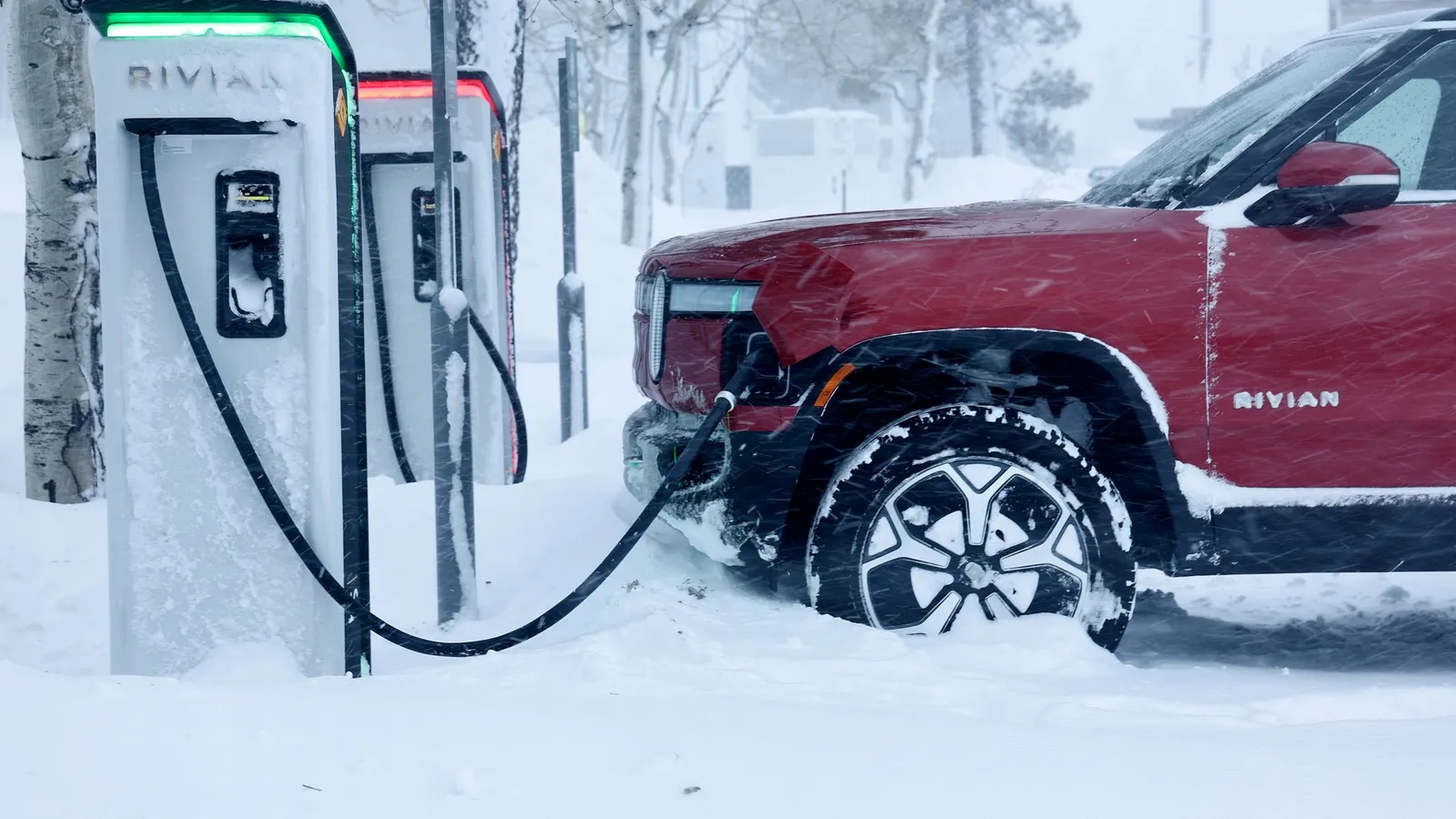
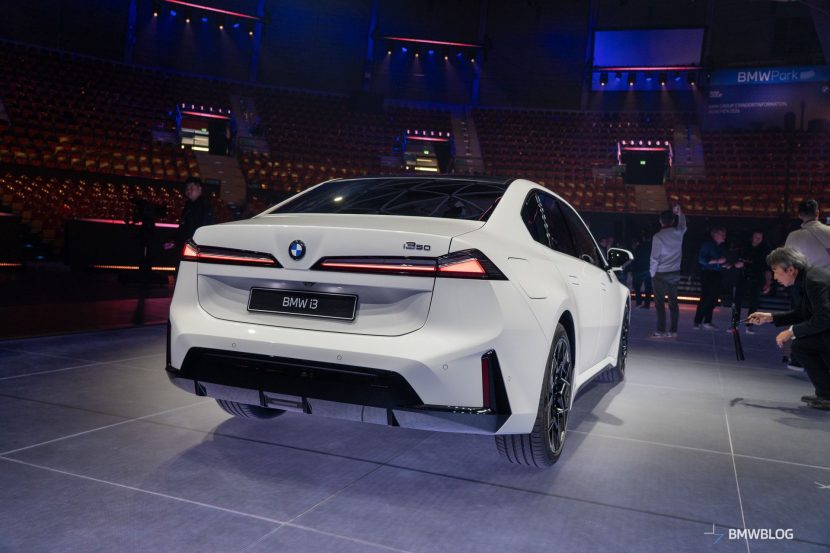
Rivian on June 16 joined ChargeScape, the vehicle-grid integration platform already used by Tesla, Stellantis, BMW, Ford, Honda, Nissan and Kia. That makes Rivian at least the seventh automaker on the platform, which now supports roughly 70 percent of all light-duty EVs in the country.
Days earlier, General Motors dropped its own bombshell: a firmware update that converts existing GM Energy vehicle-to-home systems into full vehicle-to-grid systems. No new hardware. No truck roll. Just software, pushed over the air, turning parked Chevy and GMC trucks into two-way power nodes.
The convergence isn’t accidental. Utilities are finally treating the growing EV fleet not as a threat to their infrastructure but as a distributed battery network they can dispatch. ChargeScape CEO Joseph Vellone put it plainly: “The more automakers we have on the platform, the more the industry benefits.”
His target is 100 percent coverage of every light-duty EV on the road. ChargeScape and Puget Sound Energy are already running a pilot in Washington state, testing Ford and Kia vehicles as demand response assets during peak load. Rivian drivers in that state can now opt into bidirectional charging programs and, according to Vellone, save a few hundred dollars a year just by plugging in at home.
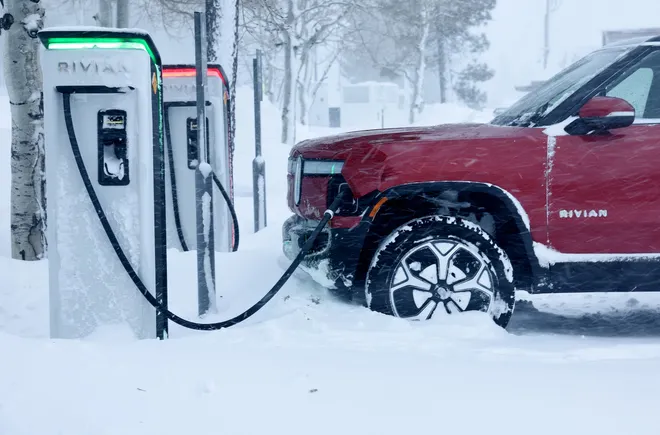
Washington is a telling laboratory. EV penetration there is high enough that utilities are genuinely worried about what unmanaged charging does to neighborhood transformers. But the same density that creates the problem also creates the solution — thousands of idle batteries sitting in garages, available to absorb or export power on command.
California, predictably, is further down this road. GM outlined a “2030 vision” targeting 130,000 of its vehicles on Northern California roads within four years, with about 40 percent enrolled in grid-balancing protocols. That’s not a marketing aspiration. GM announced a vehicle-to-grid partnership with Pacific Gas & Electric to make it happen.
In Michigan, GM is partnering with DTE Energy and using its own employees’ homes to stress-test bidirectional charging in real residential conditions. Wade Sheffer, GM Energy’s vice president, called on utilities, regulators and rival automakers to streamline the interconnection process — the tangle of engineering reviews and permitting that currently chokes deployment.
“Simplifying these processes into a more frictionless, automated step ensures that a consumer can buy a bidirectional charger, plug it in, and immediately begin participating in the local energy marketplace,” Sheffer wrote in a June 9 open letter.
That phrase — “energy marketplace” — reveals where the economics are heading. The EV is no longer just a car. It’s a revenue-generating asset when parked, which is roughly 95 percent of its life.
Utilities get flexible load management. Drivers get paid. Automakers get another selling point beyond torque and range.
The ChargeScape platform supports three tiers of grid interaction: passive-managed charging through time-of-use pricing, active-managed charging that adjusts energy flows in real time, and full bidirectional capability where the car feeds power back. Each tier requires more sophisticated hardware and software. Each tier delivers more value.
Three years ago, vehicle-to-grid was a conference slide. Today GM is pushing firmware updates to enable it, Rivian is plugging into a multi-automaker platform, and utilities in at least three states are running live pilots. The pieces are locking together with unusual speed for an industry that normally moves in geologic time.
The question was never whether EVs could support the grid. It was whether automakers, utilities and regulators could get out of each other’s way long enough to let it happen. That answer, for once, appears to be yes.


Share this Story