
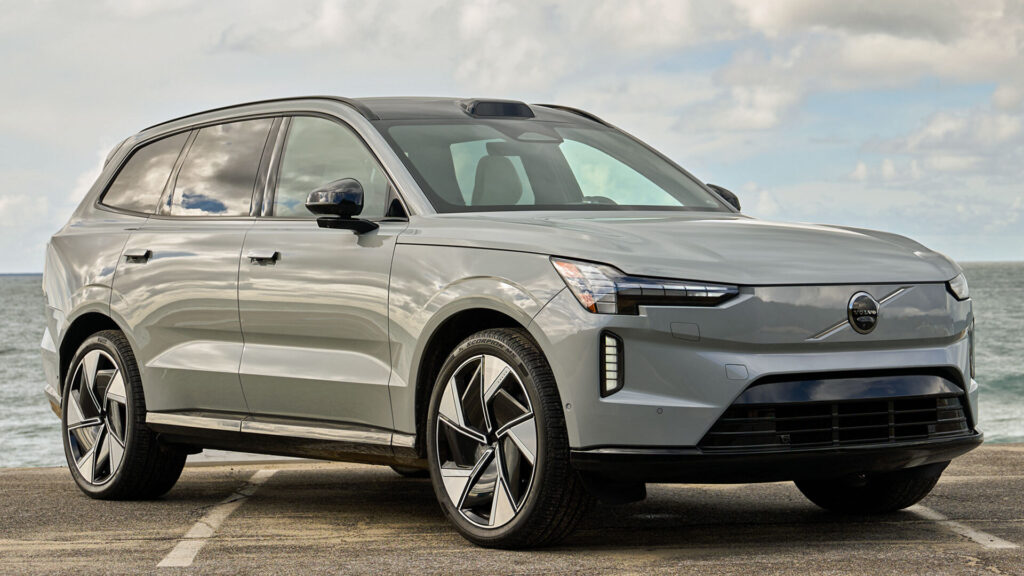


The Biden administration’s connected car rule was supposed to be a firewall against Chinese and Russian technology infiltrating American vehicles. Eight months later, the Trump Commerce Department just punched a hole in it for Volvo — a company owned by China’s Geely Holding.
The specific authorization, granted by the Office of Information and Communications Technology and Services, exempts Volvo from restrictions designed to keep vehicles with Chinese-linked connectivity hardware and automated driving systems off American roads. The rule, finalized in January, targeted Bluetooth, cellular, satellite, and Wi-Fi modules along with self-driving technology supplied by entities tied to China or Russia. Software bans were set for the 2027 model year, hardware bans for 2030.
Volvo described the outcome as the result of “constructive discussions with the US Department of Commerce and other US officials regarding Volvo Cars’ governance, technology and data security.” That’s corporate-speak for: we lobbied hard and it worked.
The stakes were existential for Volvo’s American business. The automaker’s Charleston, South Carolina plant represents over $1.3 billion in investment and employs more than 2,000 people. It currently builds the EX90 electric SUV and the Polestar 3, with the next-generation XC60 scheduled to join the line later this year.
Two more models are planned there by 2030. A connected car ban would have strangled that pipeline.
And that’s the tension at the center of this story. The Biden rule was framed as a national security imperative — the White House explicitly cited China’s “cyber espionage and intrusion operations” as a threat to critical infrastructure. The logic was clear: if Chinese-linked companies supply the software and hardware that connects your car to the internet, those systems are potential vectors for surveillance or sabotage.
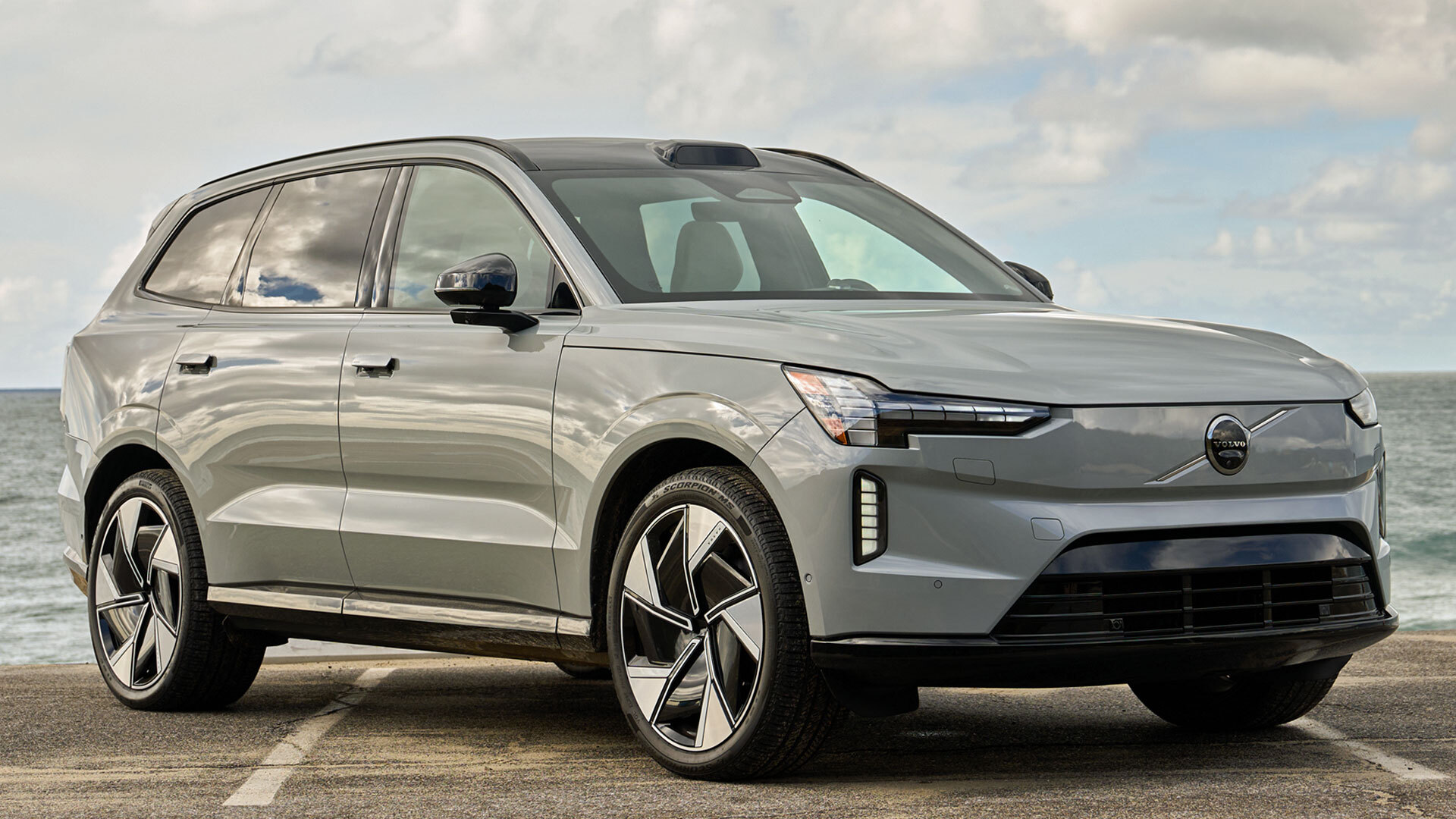
Volvo, 100 percent owned by a Chinese parent company, would seem to be a textbook case. Yet here we are. The same administration waging a tariff war against Chinese automakers — blocking BYD, SAIC, and others from the U.S. market — has carved out a path for the one Chinese-owned automaker already inside the gates.
The difference is jobs. Volvo’s South Carolina factory sits in a deep-red state, and the political calculus of shutting it down is ugly. Two thousand workers don’t get laid off quietly.
The brand also carries a European identity that provides useful cover. Most American buyers don’t think of Volvo as a Chinese company, even though Geely has owned it since 2010.
The waiver raises an obvious question: if Volvo’s governance and data security protocols satisfy Commerce Department concerns, what exactly is the connected car rule protecting against? Either the threat from Chinese-linked vehicle technology is real and the rule should apply universally, or the threat is manageable and the rule was always more about trade protectionism than national security.
Other Chinese-linked automakers don’t have a Charleston factory or a Swedish badge to hide behind. They won’t get this phone call.
Volvo says the authorization enables continued growth in one of its largest markets. That’s true. It also means a rule built to wall off Chinese automotive technology now has an asterisk next to it — and asterisks in trade policy tend to multiply.




Share this Story