
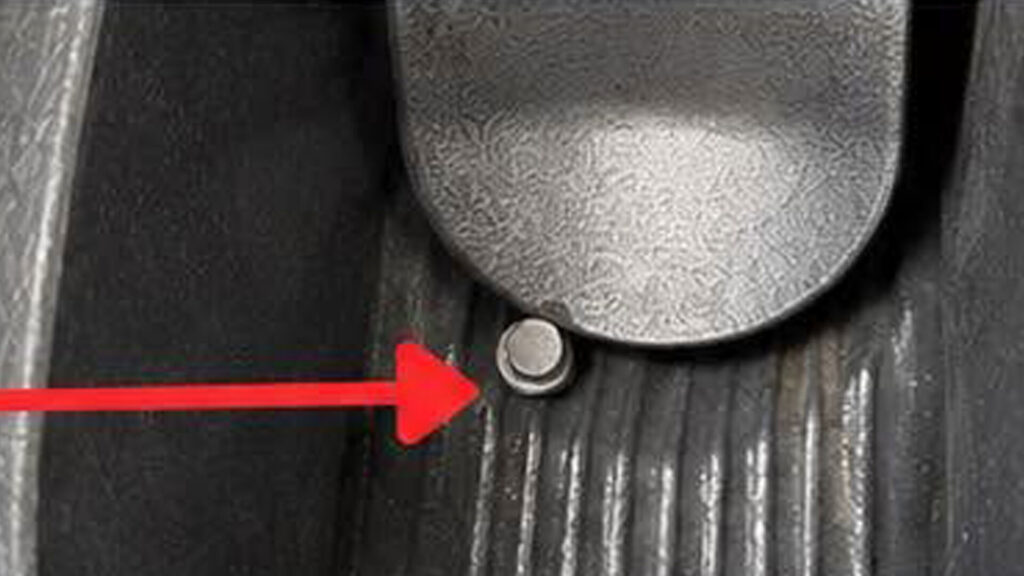


A small police department in Timberville, Virginia posted a Facebook warning that has ricocheted across social media and straight into the murky territory where legitimate consumer alert meets viral panic. The claim: someone is jamming screws into fuel pump handle cradles to keep transactions open so the next driver can fill up on your credit card.
Snopes already labeled it a hoax back in May. Shell says its pumps have automatic shut-off features. No verified victim has come forward anywhere in the country, and yet here we are, with a police department doubling down.
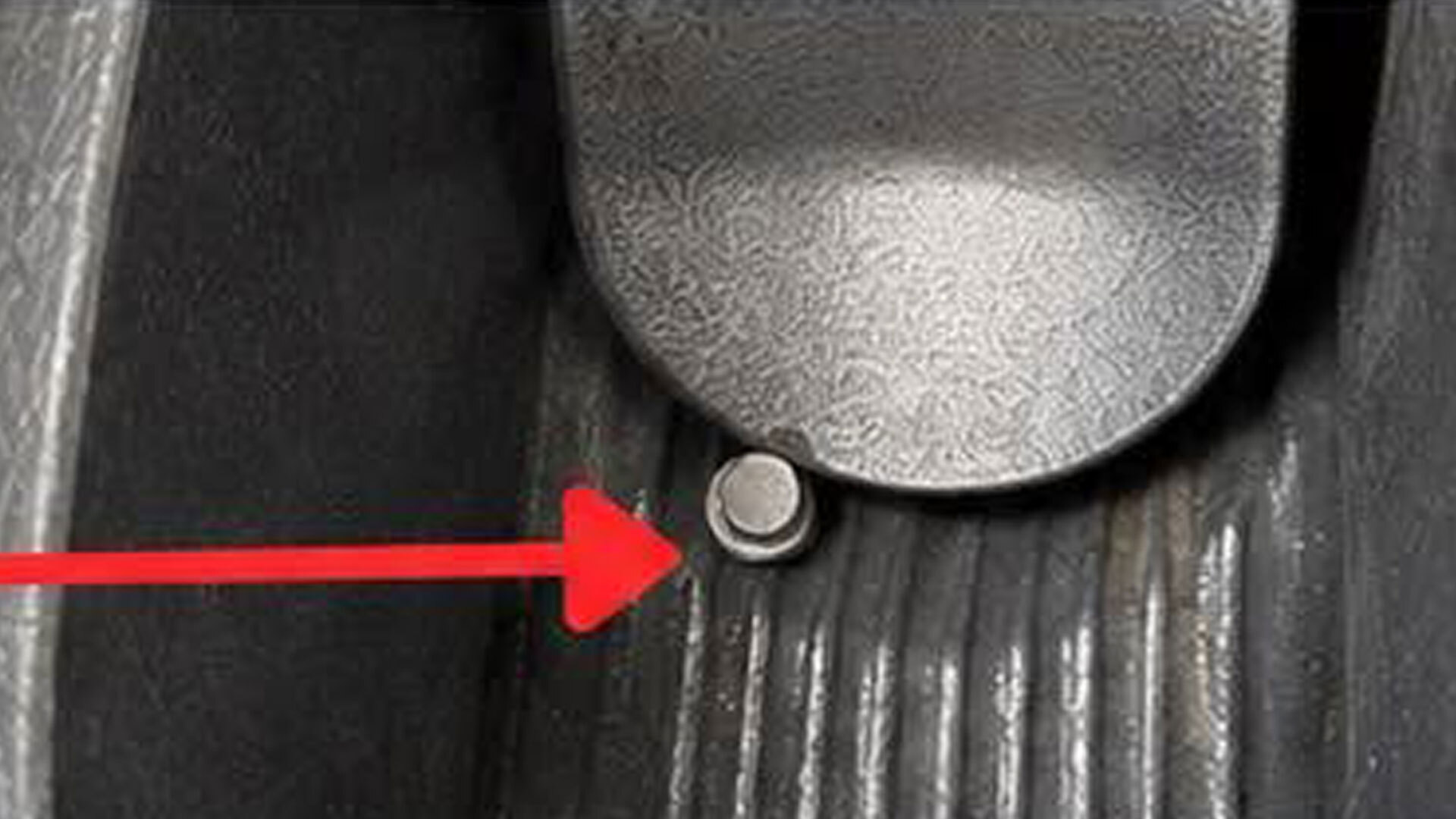
The Timberville post advised drivers to inspect pump handles before and after fueling, ensure the display reads $0.00 before swiping, and report anything suspicious to station attendants. They even included a photo of a screw lodged near the nozzle cradle flap. It’s the kind of image that looks alarming if you’ve never seen the inside of a gas pump and unremarkable if you have.
When pressed, the town acknowledged “there was an incident” — a gas station attendant found a screw during a routine inspection. But nobody reported unauthorized charges. The town also admitted part of its motivation was that the warning “has been seen on social media,” which is a peculiar basis for a law enforcement advisory.
This is where the story folds in on itself. A police department issued a warning partly because the warning was already circulating online. The evidence is a single screw that could just as easily be debris from a repair. The supposed mechanism — a jammed cradle keeping a prior transaction alive — hasn’t been demonstrated to actually work on modern pumps with timeout and inactivity safeguards built into the software.
Gas prices are averaging $4.13 a gallon nationally, which is the kind of number that makes people receptive to stories about fuel theft. Expensive gas breeds anxiety, and anxiety is jet fuel for unverified social media claims. That doesn’t mean pump tampering is impossible, but the distance between “possible” and “documented” is vast, and no one has bridged it yet.
Snopes was blunt in its assessment, noting that none of the people or organizations promoting the warning cited a single credible, verified report of this scam actually working. A Shell spokesperson said the company had no awareness of any such incidents across its network. If a major fuel retailer with thousands of stations hasn’t seen it, the odds of this being an organized grift are slim.
The practical advice buried in the warning is sound enough on its own merits. Make sure your transaction closes out. Check that the pump resets to zero. These are things any driver should do regardless of whether screws are involved.
But wrapping common sense in a scam alert gives it a weight the evidence doesn’t support. It turns a maintenance anomaly at a single rural Virginia gas station into a nationwide threat. It gets shared a hundred thousand times by people who read the headline and skip the part where no victim exists.
Police departments have a responsibility to warn the public about real dangers. They also have a responsibility not to amplify unverified internet folklore just because it’s trending. Timberville isn’t a bad actor here — they found something odd and said something. The problem is that in 2025, saying something on Facebook is the equivalent of shouting it through a megaphone in a crowded stadium.
One screw. Zero victims. A million shares. That ratio tells you everything about how information moves now and how little verification matters once it starts moving.





Share this Story