
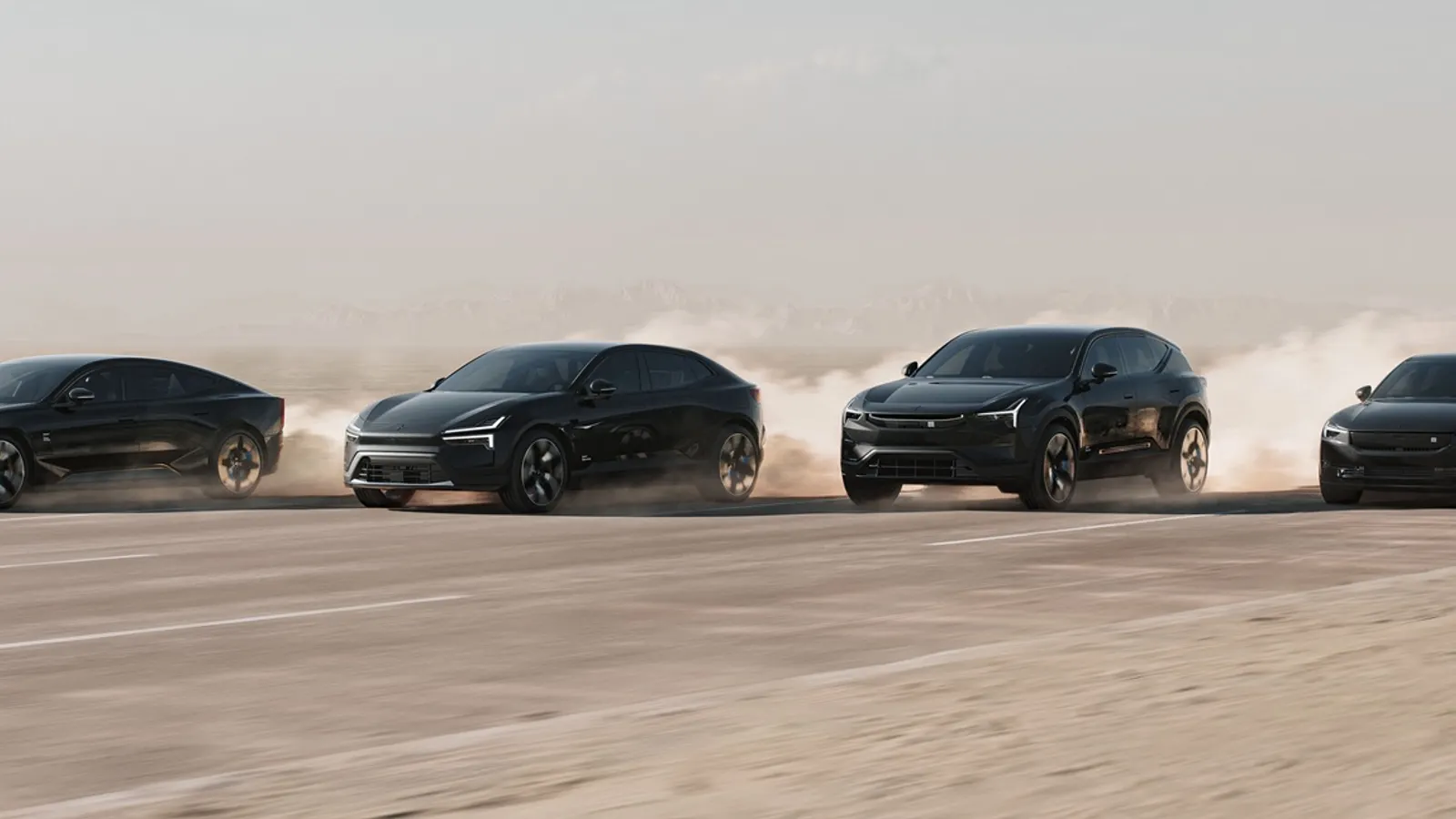


Polestar just delivered the best first half in its history — 30,423 vehicles sold globally through June — and almost none of it matters in the country that was supposed to be a cornerstone market.
The Swedish-branded, Geely-owned EV maker reported a 4% year-on-year decline in second-quarter sales, dropping to 17,296 units from 18,026 a year earlier. The timing is brutal. Weeks before that Q2 number landed, the U.S. Department of Commerce effectively barred Polestar from selling any model year 2027 or later vehicles in America, citing connected-vehicle technology linked to China.
Only 1,861 of those first-half sales came from the U.S. That’s not a rounding error, but it’s close.
CEO Michael Lohscheller called the record half-year “a significant achievement” given “regulatory and market headwinds.” He pointed to growth in the U.K., Germany, South Korea, and the Iberian peninsula. The company’s retail network across Europe and Asia has expanded 39% year-over-year to 235 locations.
Polestar is clearly pivoting hard to markets where its Chinese parentage isn’t a dealbreaker.
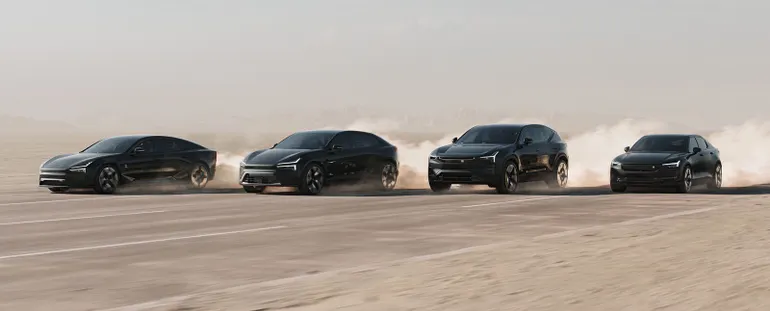
The U.S. ban is the elephant crushing the room. Polestar’s connected-vehicle systems — the software, sensors, and data links that make modern EVs function — trace back to Chinese technology. Under rules designed to keep Beijing’s digital fingerprints off American roads, that’s now a disqualifier.
The company has been left scrambling while its corporate sibling, Volvo Cars, received authorization to keep selling stateside. Both brands sit under Geely’s umbrella. Neither Washington nor the Commerce Department has explained why one got the green light and the other got the gate.
That discrepancy is the real story. Volvo builds the Polestar 3 at its South Carolina plant. The two brands share platforms, engineering resources, and a parent company headquartered in Hangzhou.
If Volvo’s connected-vehicle architecture passed muster, the question of what specifically disqualified Polestar’s systems hangs unanswered. The silence from regulators suggests the decision may have been as much about optics and brand perception as about technical risk.
Polestar’s statement now separates U.S. sales from its global figures, a quiet admission that America is, for now, a closed door. The company didn’t speculate on appeals or workarounds. It simply walled off the bad news and spotlighted everything else.
And the everything else isn’t terrible. A record first half, network expansion at a nearly 40% clip, and traction in key European and Asian markets show a company that can move metal when regulators aren’t blocking the loading dock. The Q2 dip is modest — less than a 4% decline against a quarter where the U.S. business was effectively being strangled.
But modest growth in Europe doesn’t replace the world’s most profitable luxury EV market. American buyers who wanted a Polestar 4 or a refreshed Polestar 2 are now shopping Volvo, BMW, or Tesla. Every quarter Polestar stays locked out, those customers get harder to win back.
Lohscheller has built a credible turnaround narrative since taking the top job. Costs are tighter, the model range is wider, and the retail footprint is growing. None of that insulates Polestar from a geopolitical fight it didn’t start and can’t control.
The record first half reads like a company running its fastest race on a track that just got shorter.
Share this Story