
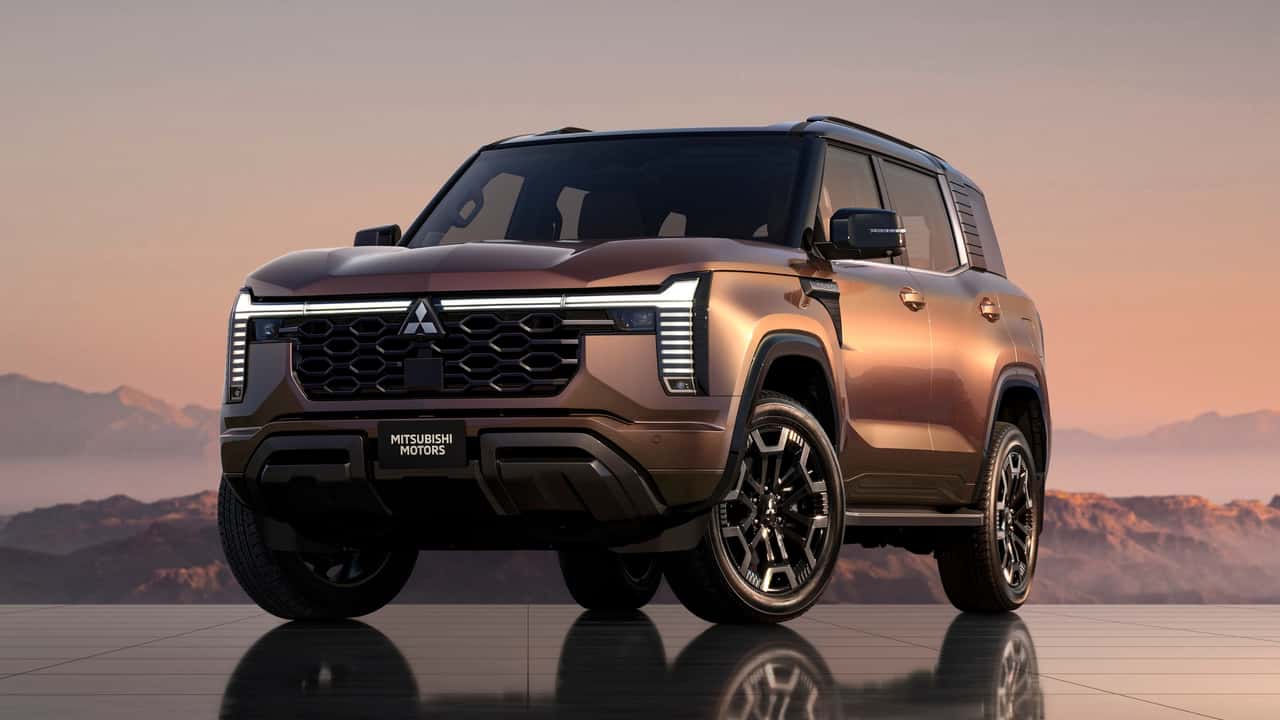


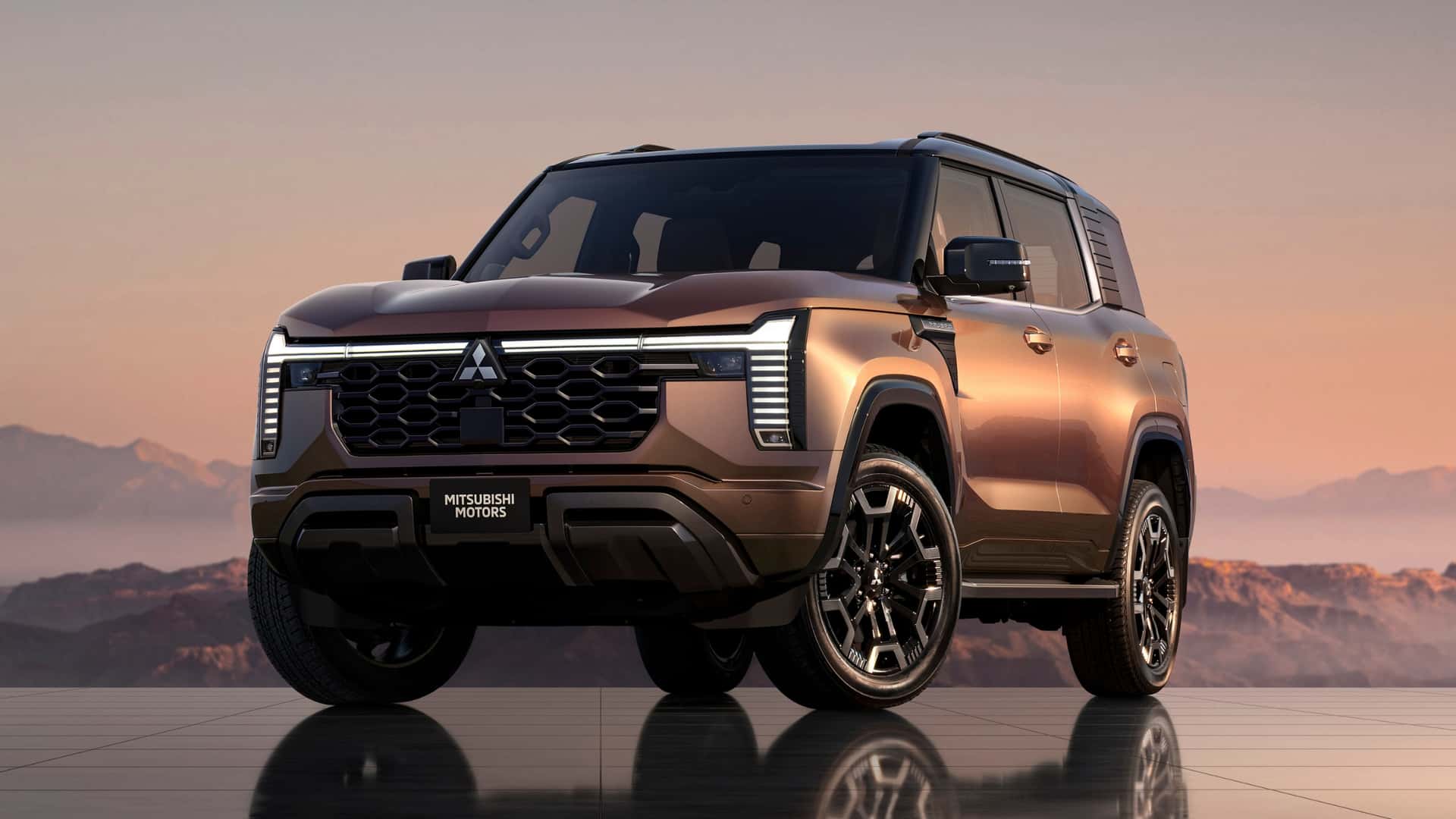
The reborn Mitsubishi Pajero just went on sale in Australia starting at $68,490 AUD, and the sticker shock is real. The base five-seat GLS costs nearly $10,000 AUD more than a Ford Everest, the range-topping GSR hits $84,990 AUD, and the whole lineup runs roughly $20,000 AUD above the outgoing Pajero Sport it replaces. This is not the scrappy, affordable off-roader people remember.
Mitsubishi has not confirmed whether the Pajero, likely badged Montero, will be sold in the United States. The company says it is “still evaluating” how the nameplate fits its global strategy. But Australian pricing is the closest thing to a crystal ball we have right now, and the numbers are sobering.
A straight currency conversion puts the base Pajero at around $49,300 USD and the loaded GSR at roughly $61,100. Factor in US-specific costs like shipping, homologation, tariffs, and dealer margin, and those figures only go up.
That puts the Pajero in a brutal neighborhood. The four-door Ford Bronco Badlands runs $50,885, the Jeep Wrangler Rubicon starts at $51,735, and the Toyota 4Runner TRD Off-Road goes for $52,285. The Toyota Land Cruiser, which occupies the premium end of the body-on-frame SUV segment, opens at $59,580. A US-spec Pajero would land right in the thick of that crowd, or possibly above it.
The problem is not the hardware. Under the hood sits a 2.4-liter turbodiesel making 204 horsepower and 354 pound-feet of torque, mated to an eight-speed automatic and Mitsubishi’s respected Super Select 4WD-II system with low-range gearing and a rear diff lock. That is legitimate off-road equipment.
The problem is the badge. Mitsubishi’s US lineup right now consists of the Outlander, the Outlander Sport, the Eclipse Cross, and the Mirage. None of those vehicles command the kind of brand equity that justifies $50,000-plus pricing against a Land Cruiser or Wrangler.
Toyota and Jeep have spent decades building their off-road reputations in the American market. Mitsubishi let the Montero die here in 2006, nearly two decades ago. An entire generation of American buyers has no memory of it.
In Australia, the Pajero name still carries weight. Decades of outback credibility, Dakar heritage, and an unbroken sales presence give Mitsubishi the right to charge Prado-adjacent money. The base Pajero slots neatly between the Everest and the Land Cruiser Prado in that market, which makes strategic sense.
In the US, that same positioning would be a gamble of a different magnitude. Mitsubishi would be asking American buyers to cross-shop a brand known here for compact crossovers against the Bronco, Wrangler, and 4Runner. Those are not just vehicles. They are tribal identities with fiercely loyal followings.
Mitsubishi has announced seven new models in its pipeline and confirmed that the Pajero family will eventually expand to include compact and small SUV variants. That broader strategy could help rebuild the brand’s credibility before the flagship arrives. Or it could dilute the nameplate before it even gets a chance.
The diesel powertrain poses its own question for America. US buyers in this segment have largely moved toward gas engines and hybrids. A diesel-only Pajero would face certification hurdles and consumer resistance that simply do not exist in Australia or Southeast Asia.
None of this means the Pajero cannot work in the US. But the price floor that Australian figures suggest, somewhere around $50,000 at a minimum, leaves almost no margin for error. At that number, Mitsubishi would need to deliver a truck that is not just competitive but genuinely compelling against entrenched rivals with decades of domestic goodwill.
The company is still evaluating. Given these numbers, it should be.
Share this Story