
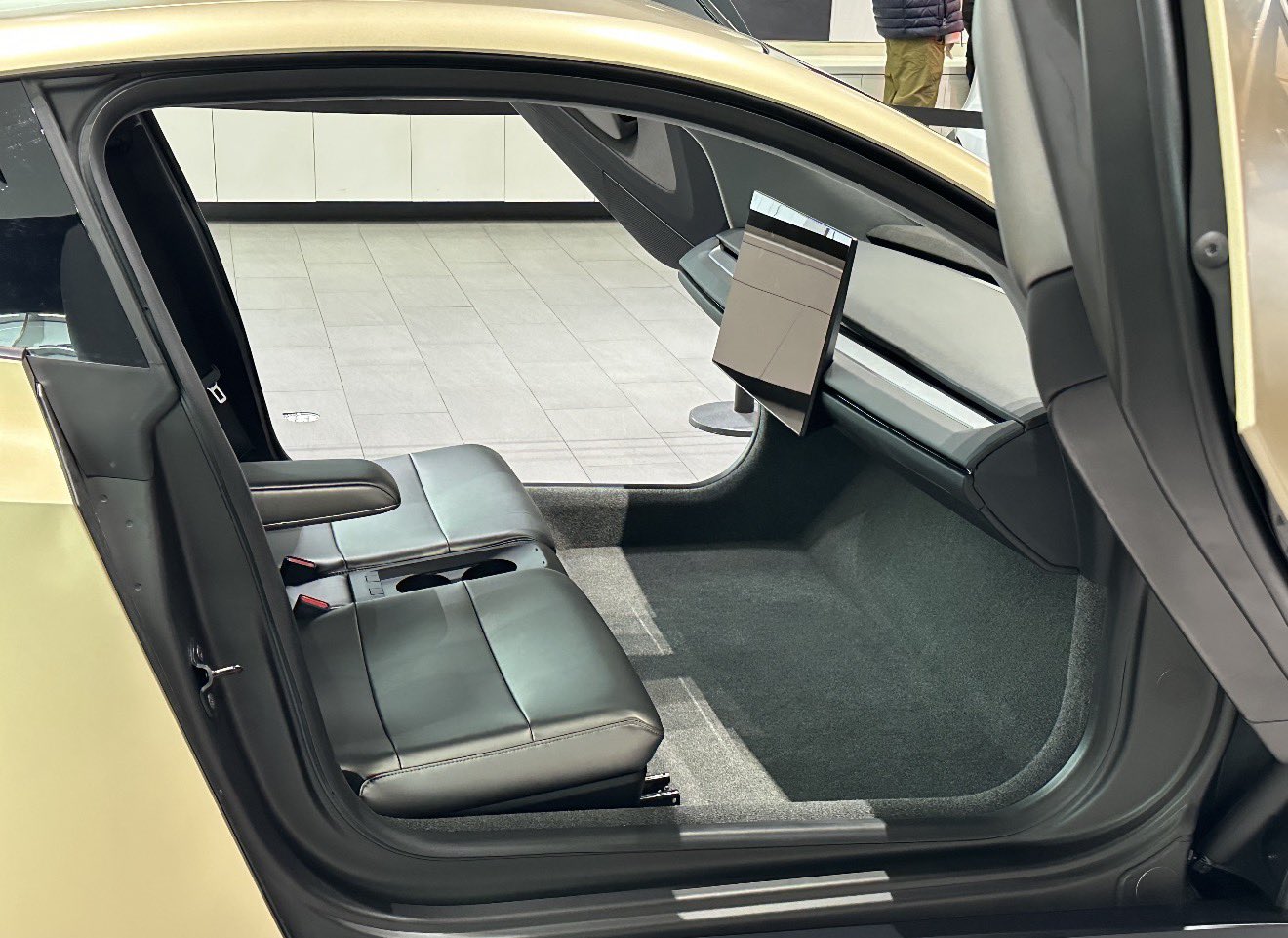


Forty-five steering wheel-less, pedal-less Cybercabs hit the streets of Austin, Texas, on September 3, and it took the federal government roughly zero time to start digging into how Tesla certified a vehicle that lacks every conventional control a car has ever been required to have.
The National Highway Traffic Safety Administration opened an Audit Query into Tesla’s self-certification of the Cybercab. The agency is questioning the process and technical data behind the company’s claim that a vehicle with no brake pedal, no gas pedal, no steering wheel, and no mirrors complies with all applicable Federal Motor Vehicle Safety Standards. Those standards were written decades ago with the assumption that a human would be doing the driving. Tesla says the Cybercab meets them anyway.
That tension is the whole story.
Manufacturers in the U.S. self-certify their vehicles as compliant with FMVSS rather than seeking pre-approval from regulators. It is a system built on trust and occasional post-market enforcement. Tesla used that system to put a car on public roads that has no mechanism for a human to take over.
NHTSA wants to understand whether Tesla concluded that certain safety standards simply do not apply to a vehicle like this, and if so, on what basis.
The launch itself was quiet by Tesla standards. A small event in downtown Austin, a geofenced service area, and an initial fleet of 45 units registered with the State of Texas. Public rides opened September 4 at 5 p.m. Central.
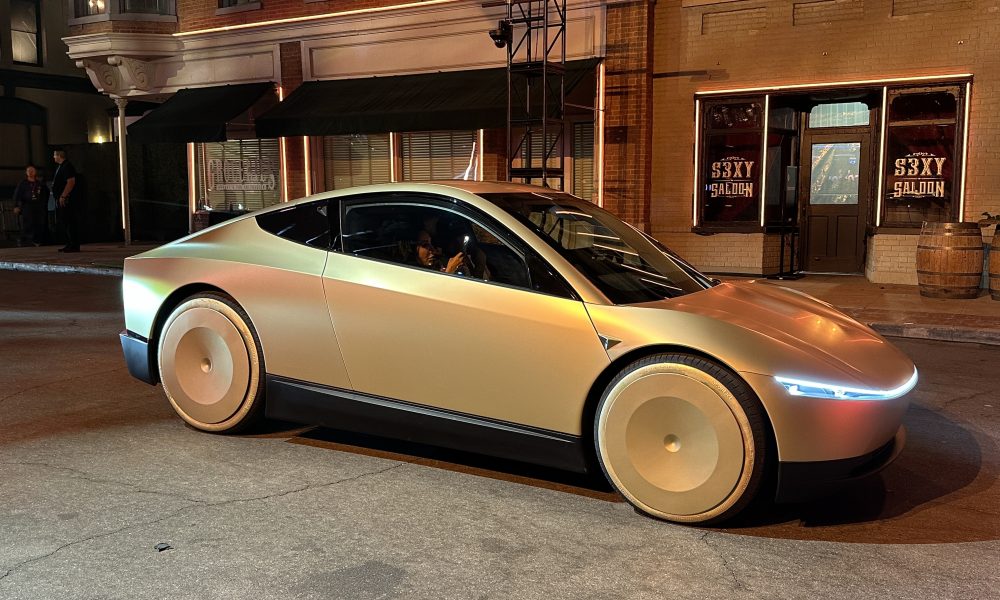
The Cybercab is a two-seater with a center screen, climate controls, and Starlink V5 connectivity that Elon Musk said would enable 4K video and gaming. It is, by design, a living room that moves.
Tesla also announced it has crossed one million unsupervised autonomous miles on its broader Robotaxi fleet, a number meant to signal operational maturity. The company has opened a public interest form on its website for individuals and small operators who want to buy Cybercab units and run their own ride-hailing businesses. That move could turn fleet expansion into a franchise model if regulators allow it.
And regulators are very much watching. NHTSA’s query is not a recall or a defect investigation. It is a formal request for more information, which sounds benign until you consider that the agency’s findings could determine whether Tesla can expand Cybercab beyond Austin, or whether any vehicle without manual controls can be certified under existing law at all.
The precedent being set here extends well beyond one company.
Tesla is already exporting the hype. Tesla Asia posted that the Cybercab would be on display in Hong Kong, Tokyo, Beijing, and Shanghai this month. No test rides, no service launches, just static displays timed to catch the wave from Austin.
In China, where Baidu’s Apollo Go and Pony AI already run autonomous ride-hailing operations at scale, the Cybercab will be a curiosity rather than a competitor. At least for now.
The speed of Tesla’s rollout strategy is striking. One week the vehicle is registered with Texas. The next week it is carrying passengers. The same month it is being shown across four Asian capitals.
Tesla is moving as if regulatory friction is a problem to be outrun rather than negotiated.
NHTSA’s audit query suggests the agency does not intend to be outrun. The question now is whether the data Tesla has accumulated, one million miles and counting, is enough to satisfy a bureaucracy that has never certified a production car without a steering wheel. Because it has never had to.
Share this Story