
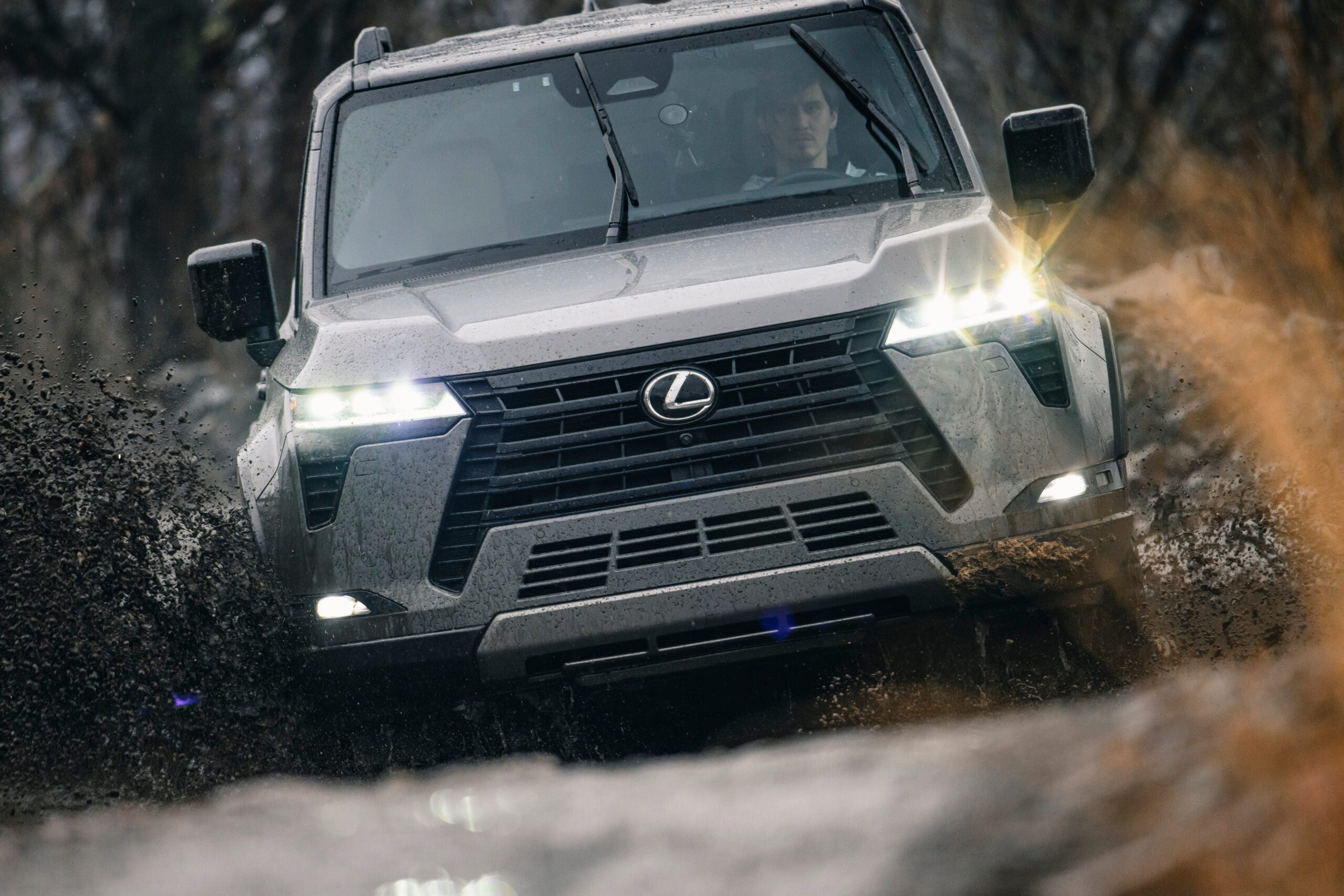


Lexus’s Australian product planning manager Julian Meldrum essentially confirmed what patent filings hinted at in April: a hybrid-powered GX 550h is real, and it’s headed to multiple markets. The confirmation came almost casually, during a press event for the updated Lexus RZ in Australia.
“It’s in a couple markets globally, and we’ve looked into it for our market,” Meldrum told CarExpert. That’s about as close to an official nod as you get from someone who isn’t authorized to make a formal announcement.
The powertrain will be borrowed directly from the Land Cruiser Prado, sold stateside simply as the Land Cruiser. That means a turbocharged 2.4-liter four-cylinder paired with two electric motors, producing roughly 326 horsepower and 465 lb-ft of torque. A compact 1.87 kWh air-cooled battery pack sits under the rear cargo floor.
Compare those numbers to the current GX 550’s twin-turbocharged V-6: 349 hp, 479 lb-ft. The hybrid gives up 23 horses and 14 lb-ft. Those aren’t devastating losses on paper, but they tell a story about priorities shifting from outright grunt to fuel economy in a vehicle that weighs well north of 5,000 pounds.
The interesting wrinkle is Australia’s refusal. Meldrum’s team studied the hybrid variant and walked away. Reduced towing capacity, less power, and a compromised cargo area killed the deal.
“Not to close the door on it or anything, but during the initial study we felt was that it was a little bit compromised for our market expectations,” he said. That’s a polite way of saying the hybrid GX doesn’t do enough of what Australian buyers actually need their GX to do.
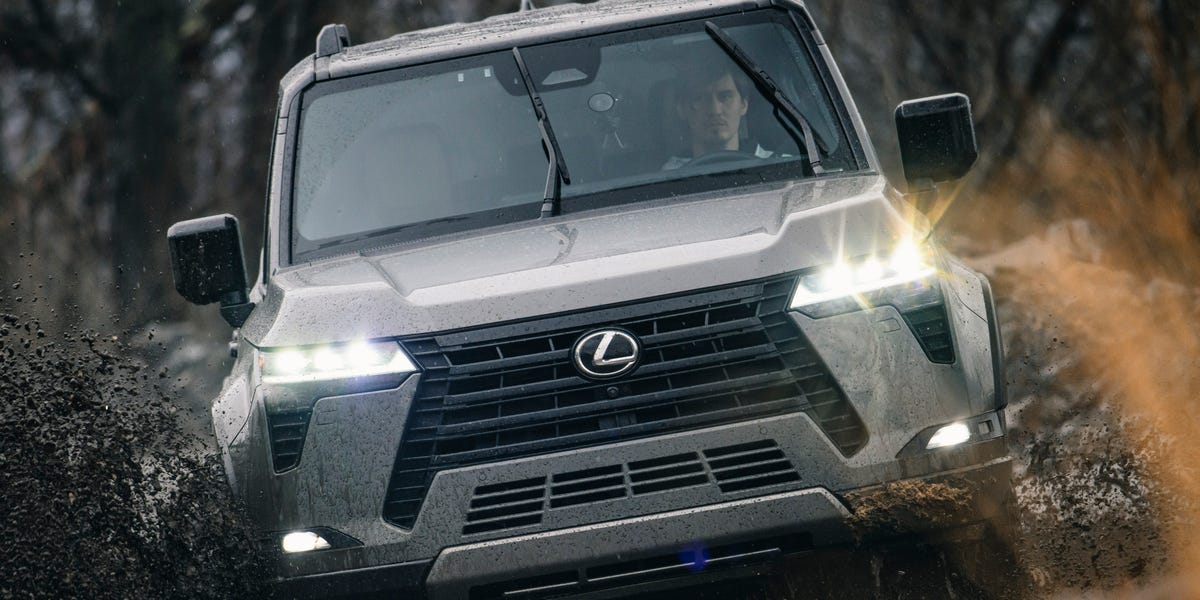
In a country where SUVs routinely tow boats across long distances and haul gear into the outback, losing cargo space to a battery pack and shedding towing capacity is a nonstarter. The U.S. market is a different animal. Most GX 550s sold here will never tow anything heavier than a weekend’s worth of Whole Foods bags.
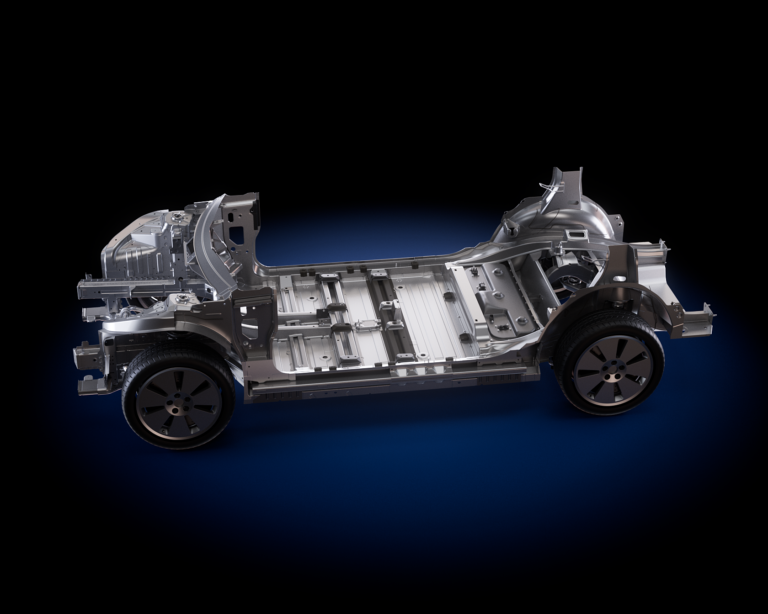
They’re luxury commuters that happen to ride on a body-on-frame platform, and their owners care more about the Lexus badge and fuel costs than payload ratings. With gas prices stubbornly high, a hybrid option makes easy commercial sense for American showrooms.
Still, anyone who’s driven both the V-6 and the hybridized four-cylinder across Toyota’s TNGA-F lineup knows the difference isn’t just about numbers. The twin-turbo V-6 has a richness and responsiveness that the four-pot hybrid simply can’t replicate. It’s the difference between a powertrain that feels engineered for the vehicle and one that feels engineered for a spreadsheet.
Lexus hasn’t officially confirmed the GX 550h for the United States, and the company has stayed predictably quiet when pressed. But patent filings don’t lie, and product planners in other markets don’t casually discuss vehicles that aren’t coming. The only real questions left are timing and pricing.
The GX 550 has been the runaway hit of Toyota’s TNGA-F family, outselling expectations and generating wait lists that would make a Porsche dealer blush. Adding a hybrid variant gives Lexus another lever to pull in a segment where Range Rover, BMW, and Mercedes are all pushing electrified alternatives.
Whether buyers will actually prefer the hybrid over the V-6 once they’ve driven both remains an open question. Australia already answered it.
Share this Story