
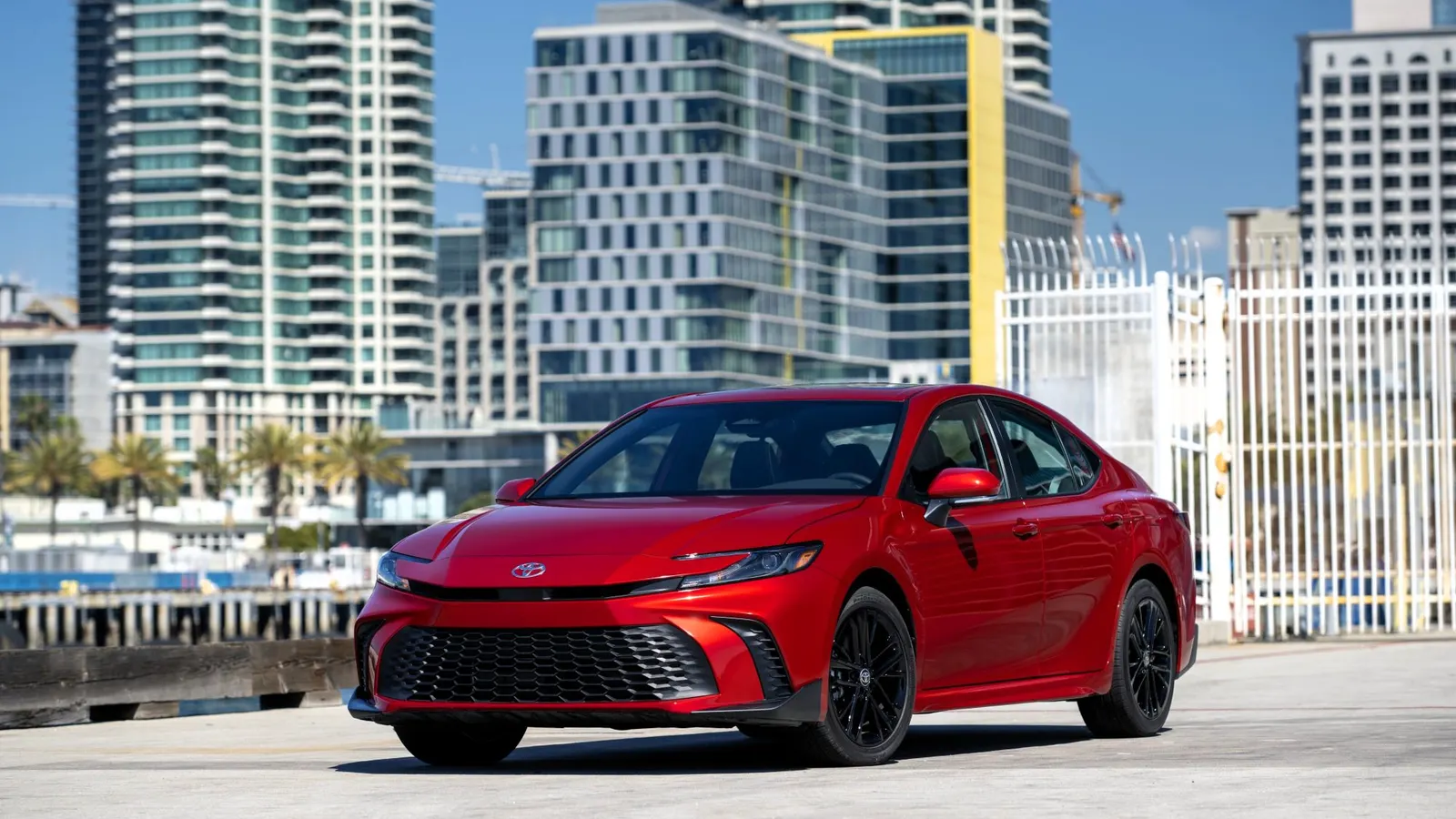


The average monthly payment on a new hybrid loan hit $646 in the second quarter of 2026. That’s $75 less than the average gasoline-powered vehicle and $46 less than a new EV. The fuel-sipping option is now the cheapest way to finance a new car.
Experian’s State of the Automotive Finance Market report, published Aug. 27, lays out a market that has tilted decisively toward hybrids. They accounted for 16.8% of all new-vehicle financing in Q2, up from 13% a year earlier. EVs, meanwhile, slipped to 8.2% from 9.2% over the same period.
The reasons aren’t mysterious. EV tax credits are gone, gas prices are elevated, and the Iran conflict has kept fuel anxiety simmering. But the affordability numbers suggest something else is going on beneath the surface.
“It looks subvented,” said Melinda Zabritski, Experian’s head of automotive financial insights. She’s pointing at factory money quietly pushing hybrid payments down.
The evidence is in the interest rates. The overall average new-vehicle loan rate sat at 6.4% in Q2, but some of the hottest-selling hybrids came in far below that. The Subaru Crosstrek averaged roughly 3.2%, the Mazda CX-50 Hybrid 4.3%, and the Hyundai Tucson Hybrid 4.2%. Those numbers don’t happen without manufacturer support flowing through captive finance arms.
Leasing tells the same story. Average monthly lease payments for hybrids ran $566, compared to $602 for ICE vehicles and $641 for EVs. Automakers are clearly steering customers toward hybrids with every financial lever they have.
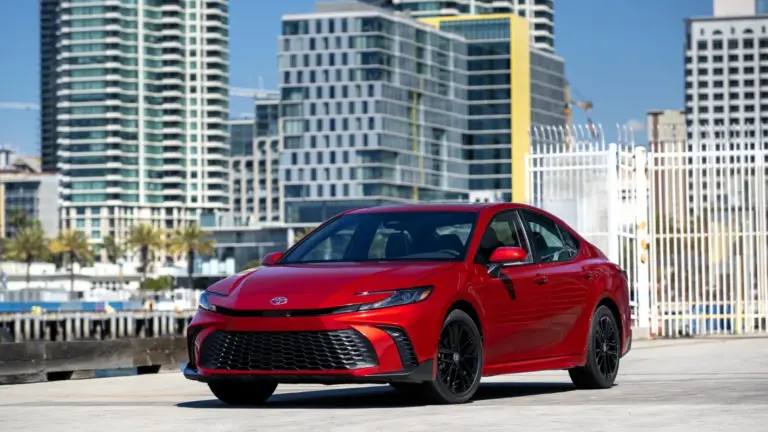
Toyota dominates the hybrid finance charts the way you’d expect from a company that spent two decades betting on the technology while rivals chased battery-electric moonshots. The Camry ranked as the most-financed hybrid in Q2. The RAV4 and Grand Highlander rounded out three of the top five spots, with the Honda CR-V and Accord filling in the rest.
What’s interesting about Toyota is how little it appears to be spending to win. The Camry and RAV4 carried average interest rates right around the 6.35% industry average, and the Grand Highlander was only slightly lower at about 6%. Toyota doesn’t need to buy market share here because demand is doing the heavy lifting. The company reported electrified vehicle sales, predominantly hybrids, up 35% in June year-over-year and 19.5% for the full quarter, totaling 383,091 units.
Honda, Subaru, Mazda, and Hyundai, on the other hand, are spending real money to buy their way into the hybrid conversation. Sub-4% rates don’t come free. Someone at headquarters signed off on those subsidies because the alternative, watching Toyota run away with the segment, was worse.
The overall new-vehicle market hasn’t gotten cheaper. Pickup trucks continue to drive loan balances higher. The average new-vehicle payment of $721 for ICE models reflects a market still bloated with expensive trucks and SUVs.
Hybrids, often slotted into compact and midsize segments, benefit from naturally lower transaction prices. Factory rate support just widens the gap.
With federal incentives stripped away, monthly EV payments have climbed while their market share has contracted. Hybrids have absorbed that demand and then some. They offer fuel savings without range anxiety and lower payments without the charging infrastructure gamble.
Captive finance companies now dominate hybrid lending, according to Zabritski. When the factory’s own bank is writing most of the paper, the manufacturer is controlling the terms, the rates, and the customer funnel. This isn’t organic demand alone—it’s a coordinated push.
Whether automakers can sustain these subsidized rates into 2027 depends on how long they’re willing to trade margin for volume. For now, the math favors the buyer sitting in a hybrid showroom.


Share this Story