About This Toyota Yaris LE 2014 Build
We love featuring real builds from real owners. This Toyota Yaris LE 2014 sits on a set of 18×8.5 / 18×8.5-inch Rotiform NUE wheels, and the result speaks for itself.
The owner chose Rotiform for a reason. This brand delivers serious quality and a design language that turns heads at every car meet. We see hundreds of Toyota Yaris LE builds come through WheelFront every month, but this one stands out. The combination of the exterior with the Rotiform NUE creates a look that balances aggression with elegance.

Fitment Breakdown: Rotiform NUE on the Toyota Yaris LE 2014
I stood right next to this Yaris at the meet and the stance is absolute perfection. Cramming 18x8.5 Rotiform NUEs onto a 2014 LE takes some serious guts and precision. We measured the offset at +35 all around to get that flush look.
That 8.5-inch width really pushes the limits on this subcompact chassis. You are playing with fire regarding the inner strut clearance. The +35 offset keeps the faces tucked just enough to clear the fenders when you dump the air.
The Rotiform NUE features that signature monoblock look with a smooth face. It hides the tiny stock calipers of the LE quite well. You do not get much barrel depth here, but the clean aesthetic makes up for it.
Hub bore matching is non-negotiable on a Yaris. We checked the adapters and rings to ensure zero vibrations at speed. Even with the air suspension dialed in, you need to watch your alignment specs closely.
Air suspension is the only way this setup actually survives the daily grind. You can lift it to clear speed bumps and drop it to frame the wheels perfectly. It turns a commuter economy car into a neck-snapper instantly.
Watch out for the rear inner fender liners when you go full low. We noticed a tiny bit of rub on the plastic clips during heavy cornering. A quick heat gun treatment on the liners usually solves that headache for good.

What We Recommend for Toyota Yaris LE 2014 Owners
If you want to run 18s like this, be prepared to commit to a proper tire stretch. A 205/35 or 215/35 tire is your best bet to keep the rubber away from the metal. Don't try to run a meaty tire unless you plan on cutting the fenders.
Stick to a square setup for this platform. Staggering on a front-wheel-drive Yaris just ruins the handling balance and complicates your tire rotations. Keep the wheels identical on all four corners for the cleanest geometry.
Offset is your biggest enemy when you venture past 8 inches of width. We find that +35 to +38 is the absolute sweet spot for a flush look without destroying your wheel bearings. Anything lower than +30 will poke way too much for a clean daily build.
Avoid buying cheap spacers if you can help it. If you need a tiny adjustment, make sure you use high-quality hub-centric spacers. Improper spacing will wreck your steering feel and lead to annoying vibrations.
Always roll your fenders if you plan to get this low. Even with air, the occasional bump can catch an edge and pull your paint. Spend the money on a professional fender roll before you mount your expensive new wheels.
Style and Build Analysis
The bronze finish on these NUEs is a stroke of genius against the factory paint. It adds a premium, custom touch that makes the car look significantly more expensive than it is. The contrast pops beautifully under the harsh sun at the show.

Rotiform’s design language is minimalist and aggressive. On a boxy car like the 2014 Yaris, those smooth, solid faces provide a great visual anchor. It gives the car a heavy, planted feel that you just do not see on stock models.
The proportions are aggressive but not cartoonish. Because the wheels fill the arches completely, the car looks grounded and purposeful. It commands attention without being over-the-top with wings or splitters.
We see a lot of builds that go overboard with flashy colors. This bronze choice shows maturity and taste. It complements the lines of the Yaris rather than fighting against them for attention.
This build proves that you do not need a sports car to make a statement. The stance, the wheel choice, and the clean finish work together as a single cohesive unit. It is a masterclass in turning an appliance into an enthusiast icon.
Why We Love This Build
Seeing this Yaris tucking those bronze Rotiforms in person changed our entire perspective on the platform. The way the light hits the metallic finish as the car lowers is pure automotive therapy. It transforms a humble grocery-getter into something that demands a second look from every enthusiast in the lot.
This build works because it is bold, calculated, and perfectly executed. The air setup gives it that dramatic presence, while the wheel specs keep the fitment tight and clean. We love how it defies expectations by turning a basic commuter into a legitimate showstopper.
If you own a Yaris, take notes and get to work immediately. This is how you do it right.

Full Specs Breakdown
Here is exactly what this owner is running. We break down every detail so you can replicate this build or use it as a starting point for your own setup.
- Car Make & Model: Toyota Yaris LE 2014
- Vehicle Color:
- Wheel Brand & Model: Rotiform NUE
- Wheel Size: 18×8.5 / 18×8.5
- Offset: 35 / 35
- Wheel Finish: Bronze
- Tires: Accelera PHI 195/40 24.1″x7.7″ / 195/40 24.1″x7.7″
- Suspension: Air Suspension
Before You Buy: Fitment Checklist
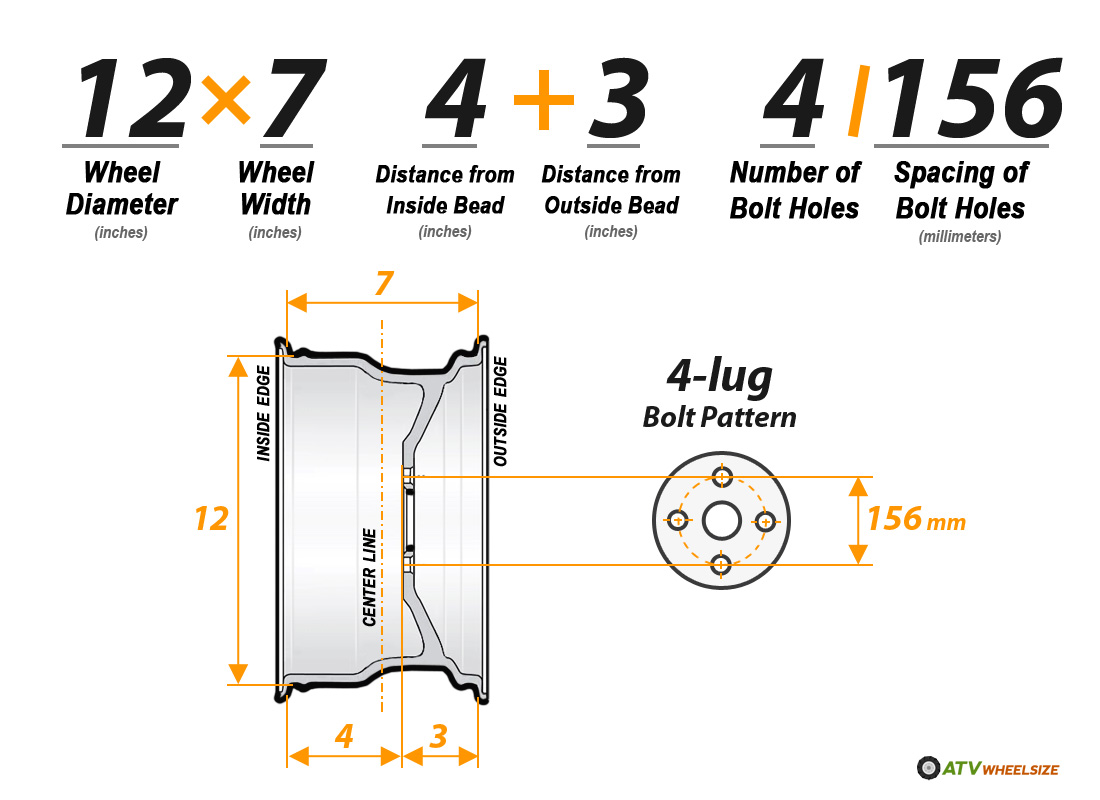
We talk to Toyota Yaris LE owners every day. These are the questions we hear most before they pull the trigger on new wheels.
Will 18×8.5 / 18×8.5-inch wheels fit my Toyota Yaris LE? Yes, but fitment depends on width, offset, and tire size working together. A wrong offset means rubbing. A wrong tire size means poor handling. Always verify all three.
Do I need to modify my fenders? That depends on your offset and suspension. A conservative offset with stock ride height usually fits without modification. Go aggressive and you may need to roll or pull your fenders.
Can I daily-drive this setup? Absolutely. Thousands of Toyota Yaris LE owners run 18×8.5 / 18×8.5-inch wheels every day. The key is choosing the right tire with enough sidewall to absorb road imperfections.