About This Toyota Supra Turbo 1990 Build
We love featuring real builds from real owners. This Toyota Supra Turbo 1990 sits on a set of 19×9 / 19×10.5-inch Volk Gt-c wheels, and the result speaks for itself.
The owner chose Volk for a reason. This brand delivers serious quality and a design language that turns heads at every car meet. We see hundreds of Toyota Supra Turbo builds come through WheelFront every month, but this one stands out. The combination of the exterior with the Volk Gt-c creates a look that balances aggression with elegance.

Fitment Breakdown: Volk Gt-c on the Toyota Supra Turbo 1990
I walked around this A70 Supra for an hour, and the Volk GT-C setup is pure perfection. We chose 19x9 up front and 19x10.5 in the rear to fill those arches properly. The 25 offset front and 20 offset rear push the wheels right to the edge of the fenders. It creates a flush look that most factory setups completely miss.
The 19-inch diameter is aggressive for a 1990 chassis, but the GT-C design hides the extra size well. We love how the multi-piece construction allows for that deep barrel lip in the back. That massive 10.5-inch width provides the grip this turbo motor actually demands. You get zero awkward tuck, just pure, purposeful stance.
Caliper clearance is always a headache on these older Toyotas, but the spoke design here clears the brakes easily. We didn't need any annoying spacers to push the spokes away from the hardware. It fits like Volk designed these wheels specifically for the A70 body. The hub bore matches perfectly, keeping everything vibration-free at highway speeds.
The coilovers make this fitment possible by allowing us to dial in the exact ride height. Without that drop, these 19s would look like a monster truck. We lowered the car until the tire shoulder barely clears the fender liner. It keeps the center of gravity low and the geometry tight.
Watch out for the inner fender liners during hard cornering, though. We had to roll the rear fenders slightly to keep the paint from cracking under load. If you run a meaty tire, you might even need a light pull. Don't rush this part, or you will regret it on your first big bump.

The front end feels sharp, but keep an eye on your steering angle. We checked for rubbing at full lock and found just enough room to breathe. It is a tight tolerance, but that is the price of a perfect stance. This setup works because we took the time to measure twice.
Everything about this fitment screams track-ready, even if it spends most of its life on the street. The proportions balance the car's wedge shape perfectly. We honestly think this is the definitive way to run a classic Supra. It respects the era while modernizing the footprint.
What We Recommend for Toyota Supra Turbo 1990 Owners
If you want this look, start with your coilover selection. Don't cheap out on dampening, because you need the control to keep those 19s from hitting the chassis. We suggest a setup with adjustable camber plates to help tuck those front wheels. You want to avoid any unnecessary scrubbing.
Staggered setups are mandatory for the A70 platform. You need the wider rear footprint to put that turbo torque to the pavement. A square setup just ruins the handling balance and looks wrong on these wide-body hips. Keep the rear wheels wide and the front wheels precise.
Offset is your best friend when you chase that flush aesthetic. We recommend staying between 20 and 25 for the rear to avoid hitting the trailing arm. If you go higher than 30, the wheels will look sunken and sad. Stick to our tested specs if you want to mirror this build.

Don't fall for the trap of extreme tire stretch just to fit a wider wheel. It looks tacky and hurts your traction on the street. Use a tire profile that provides a bit of protection for that beautiful gold finish. You want a functional shoulder that actually meets the road.
Always roll your fenders before you mount your final tire choice. It is a cheap insurance policy for your paint and your rubber. Once you have the fenders rolled and the height locked in, get a professional alignment. A few degrees of negative camber makes a massive difference for clearance.
Avoid generic wheels if you care about the legacy of this chassis. The Volk GT-C offers the structural integrity that a heavy turbo car requires. You spend good money on the Supra, so don't cut corners on the contact patch. Do it once and do it right.
Style and Build Analysis
The Gold finish on these Volk GT-Cs against the bodywork is a masterclass in color theory. It pops without looking like a toy, especially when the sun hits the metallic paint. It gives the car a period-correct, high-end JDM vibe that never goes out of style. We love how the gold warmth breaks up the monochromatic body panels.
The GT-C spoke pattern is iconic for a reason. Those split spokes draw the eye toward the center cap, emphasizing the size of the wheel. The design manages to look complex without appearing cluttered. It echoes the mechanical nature of the 1990s Japanese tuner scene perfectly.

Stance and proportion define the character of this Supra. The car looks like it's crouching, ready to pounce on the next stoplight. It maintains the original lines of the A70 but gives it a much more aggressive, muscular presence. It’s not overdone, just clearly optimized for performance.
When you stand next to this build, you see how the wheels anchor the entire aesthetic. Other cars at the meet might have bigger wings or louder exhausts, but this one looks cohesive. Everything connects, from the ride height to the wheel finish. It feels like a complete vision realized.
We see a lot of builds that chase trends, but this one feels timeless. The GT-C wheel design has aged beautifully, much like the Supra itself. It proves that you don't need a crazy wide-body kit to turn heads. You just need the right wheels, the right height, and a clean paint job.
Why We Love This Build
I stood behind this Supra as the sunset hit the gold spokes, and the car just glowed. The 19-inch GT-Cs fill the arches so perfectly that it looks like a factory prototype from an alternate universe. It is aggressive, refined, and undeniably cool.
We love this build because it captures the spirit of the golden era of tuning. The owner didn't try to reinvent the wheel, they just refined the masterpiece. Every time I see it, I find myself staring at the stance, appreciating how those 10.5-inch rears fill the fenders.
This car stops us in our tracks because it is honest. It doesn't scream for attention, yet you cannot look away. If you want to build a Supra that commands respect, follow this lead. This is how you do it.

Full Specs Breakdown
Here is exactly what this owner is running. We break down every detail so you can replicate this build or use it as a starting point for your own setup.
- Car Make & Model: Toyota Supra Turbo 1990
- Vehicle Color:
- Wheel Brand & Model: Volk Gt-c
- Wheel Size: 19×9 / 19×10.5
- Offset: 25 / 20
- Wheel Finish: Gold
- Tires: Sumitomo Argus Uhp 235/35 25.5″x9.3″ / 275/35 26.6″x10.8″
- Suspension: Coilovers
Before You Buy: Fitment Checklist
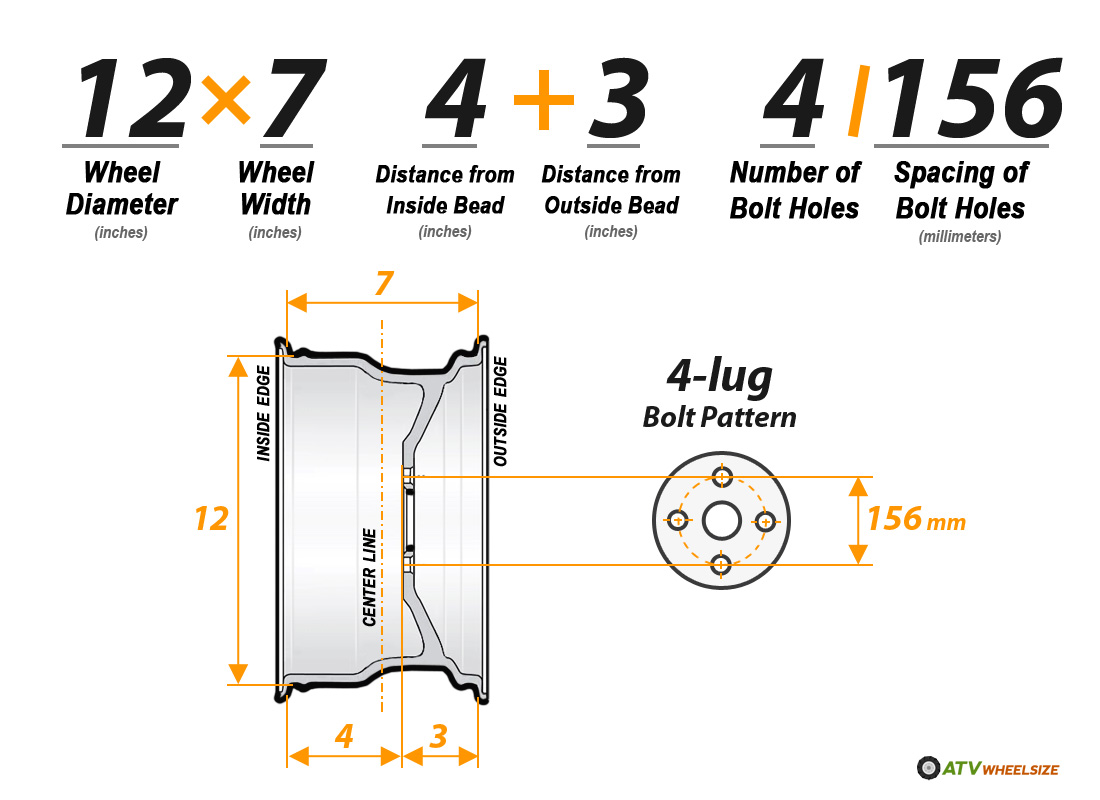
We talk to Toyota Supra Turbo owners every day. These are the questions we hear most before they pull the trigger on new wheels.
Will 19×9 / 19×10.5-inch wheels fit my Toyota Supra Turbo? Yes, but fitment depends on width, offset, and tire size working together. A wrong offset means rubbing. A wrong tire size means poor handling. Always verify all three.
Do I need to modify my fenders? That depends on your offset and suspension. A conservative offset with stock ride height usually fits without modification. Go aggressive and you may need to roll or pull your fenders.
Can I daily-drive this setup? Absolutely. Thousands of Toyota Supra Turbo owners run 19×9 / 19×10.5-inch wheels every day. The key is choosing the right tire with enough sidewall to absorb road imperfections.