About This Toyota Supra Base 1998 Build
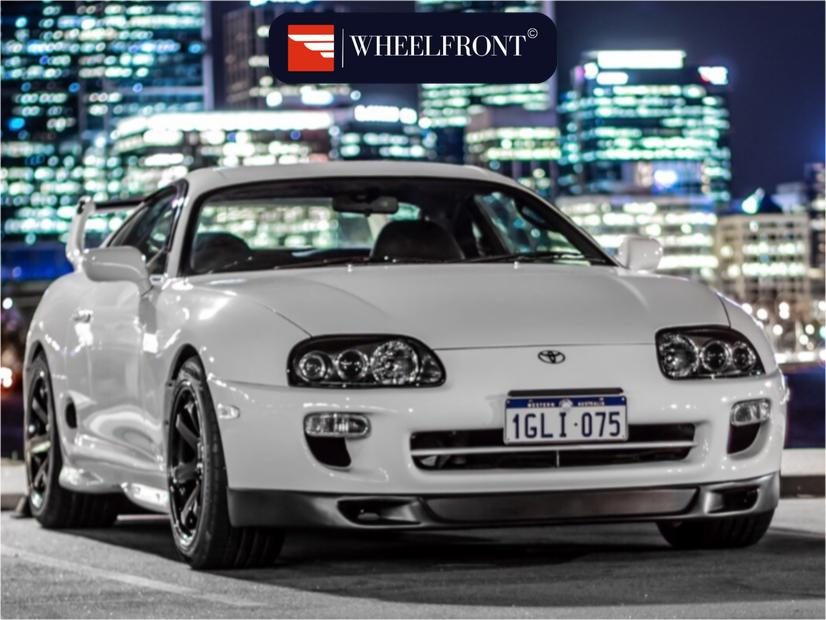
We love featuring real builds from real owners. This Toyota Supra Base 1998 sits on a set of 18×10 / 18×10-inch Rota Grid wheels, and the result speaks for itself.
The owner chose Rota for a reason. This brand delivers serious quality and a design language that turns heads at every car meet. We see hundreds of Toyota Supra Base builds come through WheelFront every month, but this one stands out. The combination of the exterior with the Rota Grid creates a look that balances aggression with elegance.
Fitment Breakdown: Rota Grid on the Toyota Supra Base 1998
I walked around this Supra for a solid twenty minutes at the meet. Slapping an 18x10 square setup on a '98 base model is a bold move. Most people stick to staggers, but this setup commands serious attention.
That +35 offset sits flush enough to look aggressive without needing a sledgehammer to the fenders. You get just enough poke to make the car look planted. It fills the wheel wells perfectly.
Clearing those stock base model calipers is a breeze with this design. You don't need massive spacers to keep the spokes away from the iron. The hub bore matches up tight, so you won't deal with any annoying vibrations at highway speeds.
The barrel lip depth on these Grids creates a deep, purposeful aesthetic. It pulls the eye right to the center of the wheel. The spoke geometry manages to look both muscular and light at the same time.
Since the owner threw on a stiff set of coilovers, the geometry stays locked in. You lose that nasty factory gap immediately. The suspension tuning keeps the tires from chewing up the plastic liners during hard cornering.
Watch out for the rear inner fender liners on big bumps. If you hit a deep pothole, you might hear a faint buzz if your ride height is too aggressive. A quick roll of the rear arches solves that issue for good.
This setup works because it balances form and function. You get maximum rubber on the road without ruining the car's handling dynamics. It is a textbook example of how to build a Supra.
What We Recommend for Toyota Supra Base 1998 Owners
Don't just buy the first set of wheels you see on the internet. For a Supra, you really want to stay within that 9.5 to 10.5 inch width range. Anything wider often forces you into custom bodywork you probably do not want.
Offsets are the secret sauce for the MKIV chassis. We find that +30 to +38 is the sweet spot for a clean, flush look. Anything lower than that and you are looking at aggressive camber settings just to fit the tires.

I usually push for a staggered setup if you crave that classic sports car grip. But, a square setup like this one makes rotating your tires much cheaper and easier. It also helps with front-end turn-in response on the street.
Avoid heavy tire stretch unless you are going for a pure show car vibe. You want a meaty sidewall that actually protects the rim from curb rash. A slight stretch looks okay, but it ruins the ride quality on our rough city streets.
Common mistakes? Buying cheap, unbranded hardware or ignoring your alignment specs. If you invest in good wheels, get a proper professional alignment immediately after installation. You will feel the difference in the steering wheel instantly.
Style and Build Analysis
The custom finish on these Grids caught my eye from across the parking lot. It contrasts perfectly against the factory paint. Most people go for silver or bronze, but this choice feels custom and intentional.
The Rota Grid design draws heavy inspiration from legendary JDM racing heritage. It gives the Supra a rally-bred, functional look that never goes out of style. The proportions make the car look lower and wider than it actually is.
When the sun hits these wheels, the custom finish pops with incredible depth. It changes the whole personality of the car. You stop seeing it as a stock base model and start seeing it as a serious street machine.
This build feels more honest than the over-the-top widebody kits I see everywhere lately. It keeps the iconic MKIV silhouette intact. You recognize the car immediately, but the details make you lean in closer.
We see a lot of Supras, but this one sticks in my memory. It finds that rare middle ground between a daily driver and a track weapon. It is a masterclass in restraint and good taste.
Why We Love This Build
I love this Supra because it ignores the hype and focuses on the driving experience. The custom finish grabs the light as the car rolls, highlighting every curve of the wheel spokes. It looks like it belongs on the cover of an old magazine, yet it feels completely modern today. The fitment is tight, the stance is dialled, and the overall vibe is pure enthusiasm. Seeing this car parked in the sunlight makes me want to pull my own project out of the garage and finally get it finished. This is exactly what a modified MKIV should look like. Build it to drive it.

Full Specs Breakdown
Here is exactly what this owner is running. We break down every detail so you can replicate this build or use it as a starting point for your own setup.
- Car Make & Model: Toyota Supra Base 1998
- Vehicle Color:
- Wheel Brand & Model: Rota Grid
- Wheel Size: 18×10 / 18×10
- Offset: 35 / 35
- Wheel Finish: Custom
- Tires: Kumho Ku39 255/40 26″x10″ / 255/40 26″x10″
- Suspension: Coilovers
Before You Buy: Fitment Checklist
We talk to Toyota Supra Base owners every day. These are the questions we hear most before they pull the trigger on new wheels.
Will 18×10 / 18×10-inch wheels fit my Toyota Supra Base? Yes, but fitment depends on width, offset, and tire size working together. A wrong offset means rubbing. A wrong tire size means poor handling. Always verify all three.
Do I need to modify my fenders? That depends on your offset and suspension. A conservative offset with stock ride height usually fits without modification. Go aggressive and you may need to roll or pull your fenders.
Can I daily-drive this setup? Absolutely. Thousands of Toyota Supra Base owners run 18×10 / 18×10-inch wheels every day. The key is choosing the right tire with enough sidewall to absorb road imperfections.