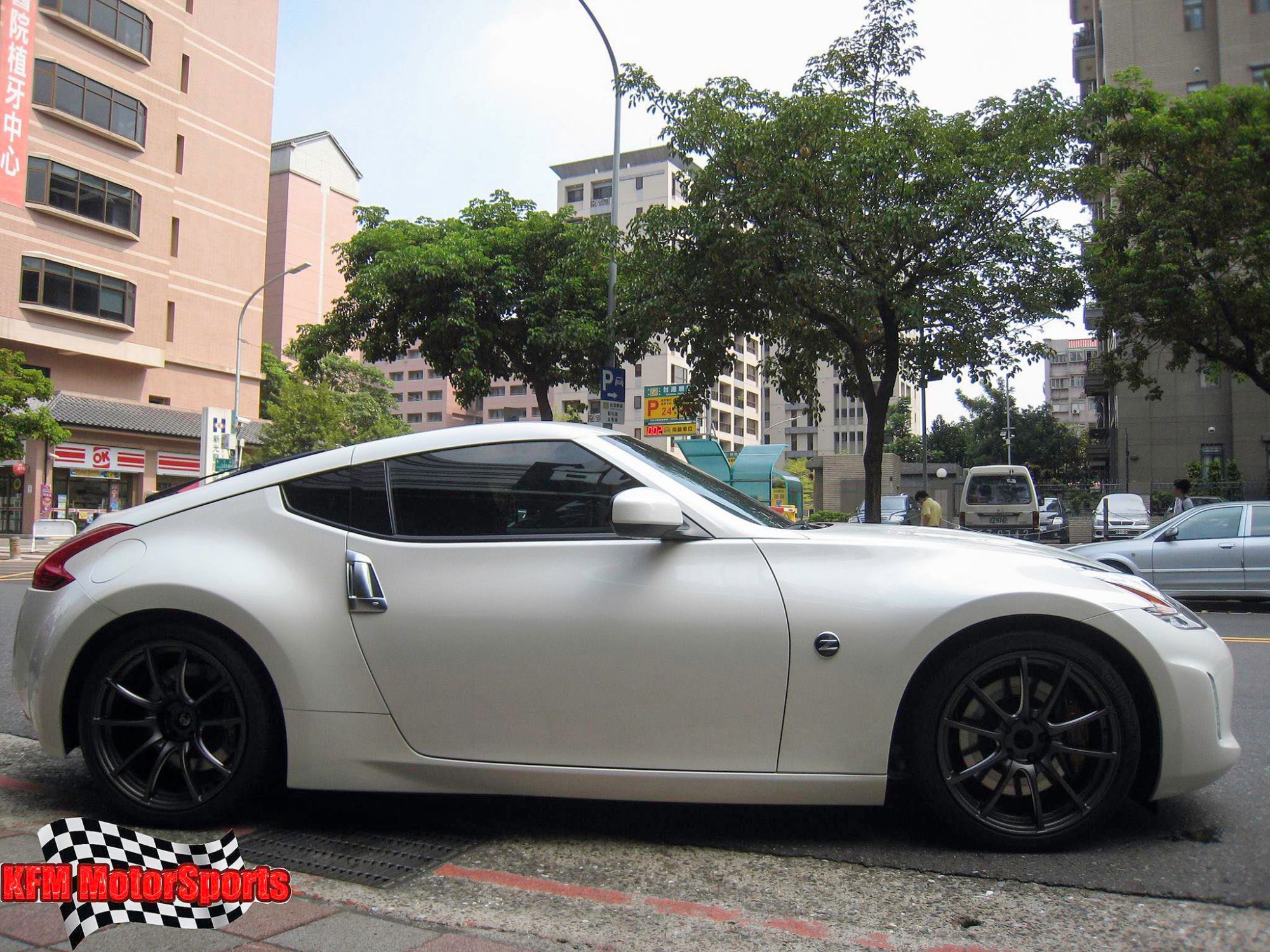
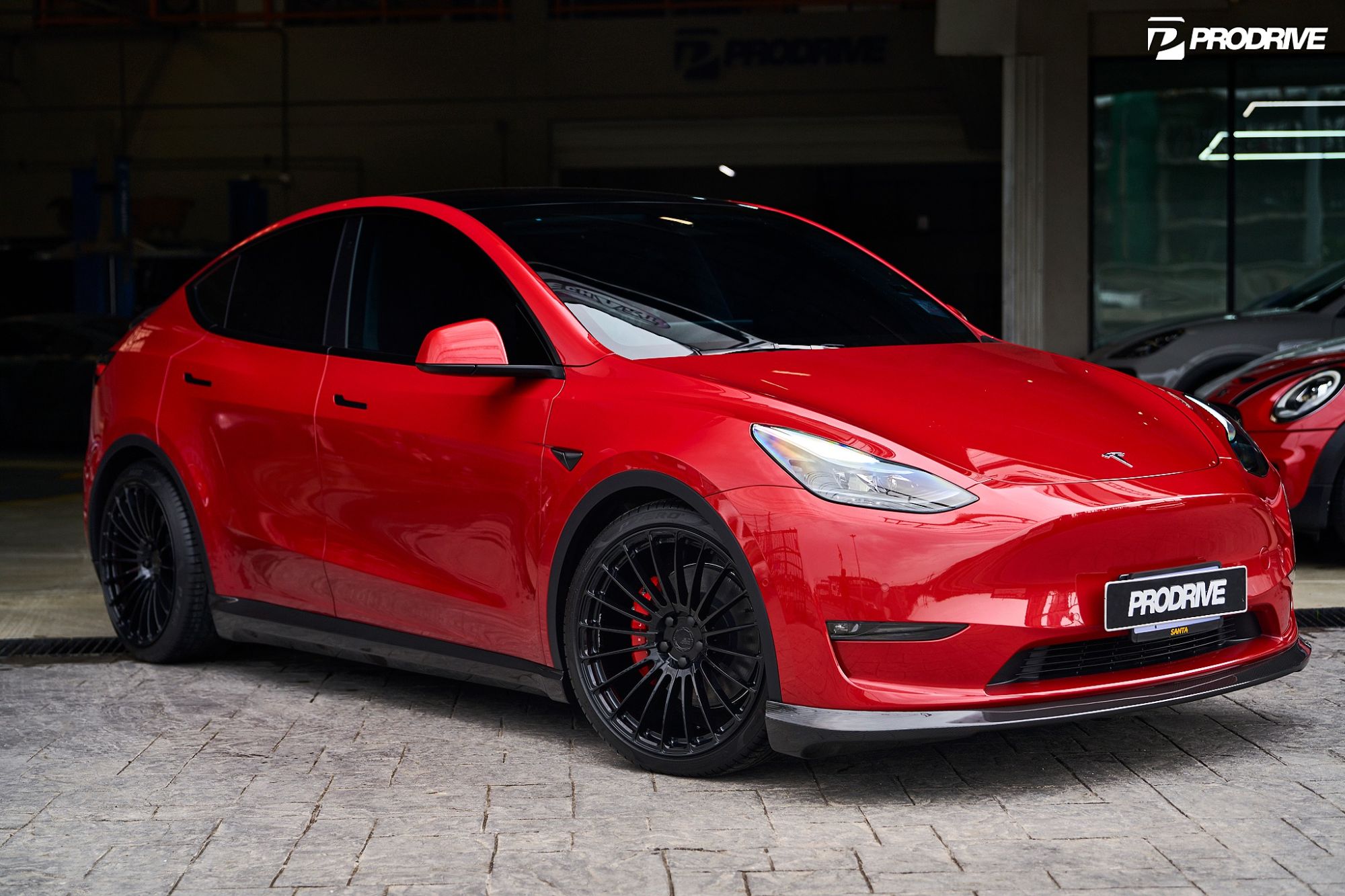
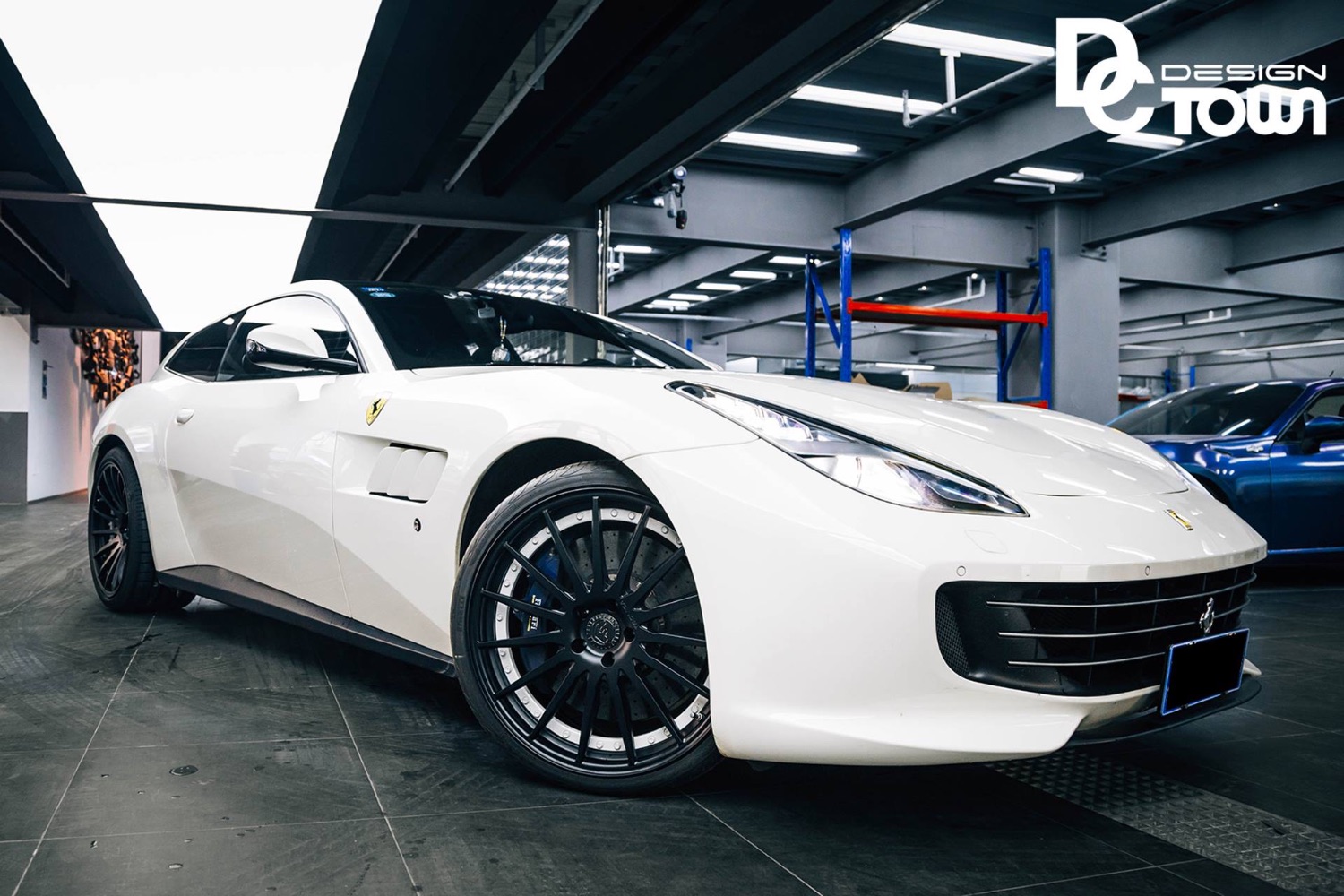
About This Toyota Soarer Base 1991 Build
We love featuring real builds from real owners. This Toyota Soarer Base 1991 sits on a set of 18×9 / 17×11.5-inch Heritage Okayama Directional wheels, and the result speaks for itself.
The owner chose Heritage for a reason. This brand delivers serious quality and a design language that turns heads at every car meet. We see hundreds of Toyota Soarer Base builds come through WheelFront every month, but this one stands out. The combination of the exterior with the Heritage Okayama Directional creates a look that balances aggression with elegance.

Fitment Breakdown: Heritage Okayama Directional on the Toyota Soarer Base 1991
I walked around this Soarer three times just to soak in how these Heritage Okayamas sit. We chose an 18x9 up front and a massive 17x11.5 out back for a staggered setup that screams nineties nostalgia. The 35 offset in the front clears the stock calipers with room to spare. It keeps the steering feel tight without any weird scrubbing during full lock.
The rear is where the magic happens with that 52 offset. Fitting an 11.5-inch width under those rear arches is no small feat. We had to tuck the wheels deep to make sure the tires didn't turn the fenders into confetti. It looks aggressive and purposeful.
That 17-inch rear diameter gives us a meatier sidewall compared to the 18s up front. It balances the chassis rake perfectly for a slammed stance. We checked the hub bore and everything sits hub-centric without the need for annoying rings. The fitment feels factory-engineered but looks totally custom.
The spoke design on the Okayamas creates a directional flow that moves air beautifully. We see the gold finish catching the light as the car rolls down the pit lane. It frames the brakes nicely without hiding the hardware completely. The balance between wheel face and barrel depth is just right.

Coilovers remain essential for making this setup work. We dialed in the dampening to keep the tires off the fender liners during hard cornering. You need a stiff spring rate when you push this much width into the wheel wells. Without the coilovers, this whole look would fall apart on the first bump.
Watch out for the inner fender tabs if you plan to replicate this. We had to roll the lips flat to avoid cutting the sidewalls. The clearance is tight, but that is the price we pay for a perfect flush fit. It is a aggressive setup, so treat the road with some respect.
What We Recommend for Toyota Soarer Base 1991 Owners
If you want to run wide wheels on your Soarer, start with a good set of coilovers. Cheap springs will leave you bouncing into your fenders and ruining your expensive finish. Spend the money on quality damping so you can actually drive the car hard. Fitment is useless if you cannot corner without rubbing.
We always suggest a staggered setup for the Z30 platform. The Soarer has plenty of room in the back, so don't be afraid to go wide. Stick to 17 or 18-inch diameters to keep the proportions honest to the car's era. Don't go to 19s unless you want it to look like a toy.

Offset is the biggest mistake we see folks make. People buy wheels that stick out three inches past the body and call it fitment. That just ruins your suspension geometry and looks terrible. Aim for a tucked look that lets the car sit low without needing a ton of camber.
If you need extra room, roll your fenders properly. Do not use a baseball bat like we did back in the day. Use a dedicated fender roller and take your time with a heat gun to save your paint. Proper prep work makes the difference between a pro build and a hack job.
Tire stretch is a personal choice, but don't overdo it. We prefer a mild stretch that protects the rim but still gives the tire a square shoulder. It helps with grip and keeps the car predictable in the rain. Find the balance that suits your driving style.
Style and Build Analysis
The gold finish on these Heritage Okayamas pops against the Soarer's paint. It feels like a throwback to the golden era of Japanese tuning. The contrast between the warm metal and the body lines creates a visual tension that I love. It looks like it belongs on a magazine cover from 1995.

I love the directional spoke pattern on these wheels. It gives the car a sense of speed even when it sits perfectly still. The design feels classic yet fresh, avoiding the clutter of modern multi-spoke wheels. It complements the clean, elegant lines of the Z30 bodywork perfectly.
Proportions define this build for me. Many Soarers look heavy or awkward, but this one sits light and nimble. The stagger in wheel sizes creates a subtle rake that leans the car into the pavement. It looks like a predator waiting to pounce at the stoplight.
We have seen plenty of builds, but this one nails the aesthetic. It avoids the neon-colored nonsense that ruins so many imports. The gold, the stance, and the clean wheels speak for themselves. You do not need a giant wing or a crazy kit to turn heads.
The road presence is undeniable. When this car rolls past, you can't help but stare at how the wheels rotate. It demands attention without screaming for it. That is the hallmark of a truly well-thought-out build.
Why We Love This Build
This Soarer hits me right in the nostalgia. Seeing those gold Heritage Okayamas spinning under the arches takes me back to the track days of my youth. The way the paint glows at dusk is pure magic. It is a masterclass in clean, functional style.
We see a lot of cars, but this one has a soul. It isn't just a collection of parts bought from a catalog. It represents a vision brought to life through careful measuring and testing. Every single millimeter of this fitment feels intentional.
This car proves that you don't need to reinvent the wheel to make a statement. You just need to choose the right one and commit to the vision. It inspires me to go back to the shop and turn some wrenches. Simply put, this is how a Soarer should look.

Full Specs Breakdown
Here is exactly what this owner is running. We break down every detail so you can replicate this build or use it as a starting point for your own setup.
- Car Make & Model: Toyota Soarer Base 1991
- Vehicle Color:
- Wheel Brand & Model: Heritage Okayama Directional
- Wheel Size: 18×9 / 17×11.5
- Offset: 35 / 52
- Wheel Finish: Gold
- Tires: Toyo Tires Extensa HP II 255/35 25″x10″ / 315/35 25.7″x12.4″
- Suspension: Coilovers
Before You Buy: Fitment Checklist
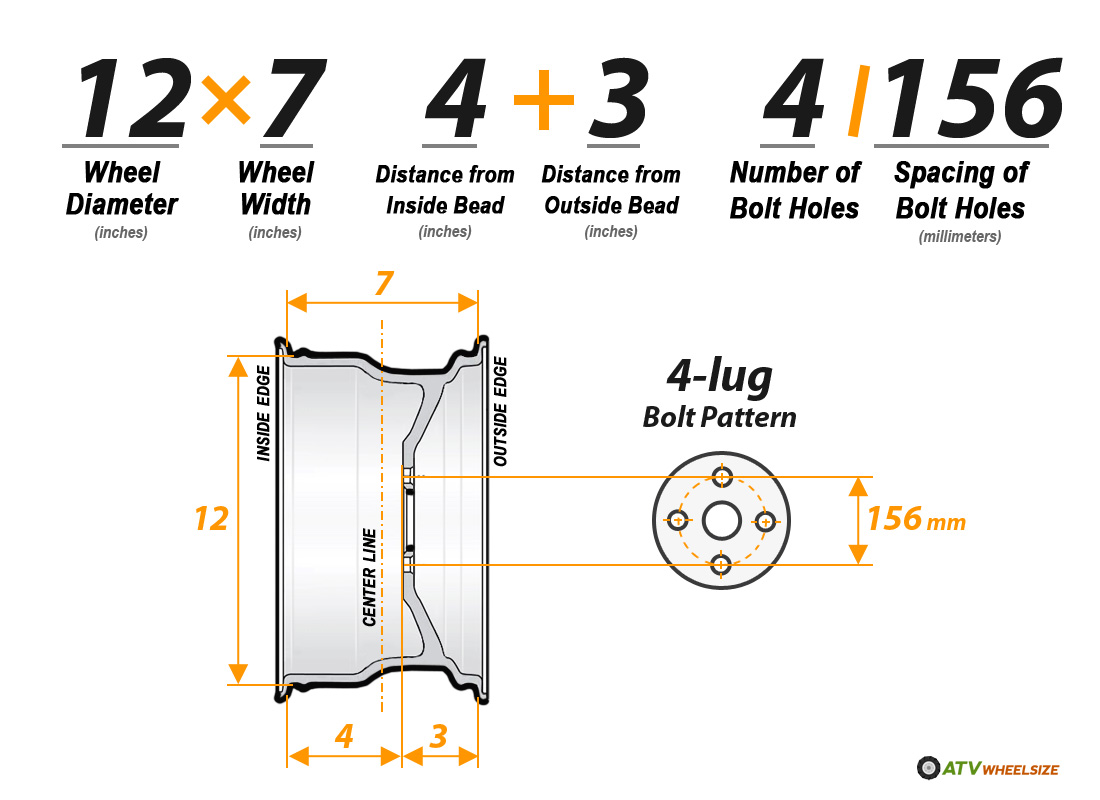
We talk to Toyota Soarer Base owners every day. These are the questions we hear most before they pull the trigger on new wheels.
Will 18×9 / 17×11.5-inch wheels fit my Toyota Soarer Base? Yes, but fitment depends on width, offset, and tire size working together. A wrong offset means rubbing. A wrong tire size means poor handling. Always verify all three.
Do I need to modify my fenders? That depends on your offset and suspension. A conservative offset with stock ride height usually fits without modification. Go aggressive and you may need to roll or pull your fenders.
Can I daily-drive this setup? Absolutely. Thousands of Toyota Soarer Base owners run 18×9 / 17×11.5-inch wheels every day. The key is choosing the right tire with enough sidewall to absorb road imperfections.