About This Toyota RAV4 2020 Build
We love featuring real builds from real owners. This Toyota RAV4 2020 sits on a set of 17″, 18″, 20″ / 17″, 18″, 20″-inch Fuel Off-Road ZEPHYR wheels, and the result speaks for itself.
The owner chose Fuel Off-Road for a reason. This brand delivers serious quality and a design language that turns heads at every car meet. We see hundreds of Toyota RAV4 builds come through WheelFront every month, but this one stands out. The combination of the exterior with the Fuel Off-Road ZEPHYR creates a look that balances aggression with elegance.
Fitment Breakdown: Fuel Off-Road ZEPHYR on the Toyota RAV4 2020
I walked around this RAV4 for ten minutes just staring at the Fuel Zephyrs. These wheels transform the entire character of the Toyota chassis. You get that rugged look without ruining the daily drive.
We see a lot of guys shove massive wheels onto these crossovers. This build keeps it smart with a 17-inch diameter. That gives you enough sidewall to actually hit the trails without bending a rim.
The offset on these Zephyrs pushes the stance just past the fender line. It creates a wide, planted look that stock wheels absolutely lack. You get a much more aggressive track width here.
Caliper clearance is a total non-issue with this specific design. Fuel engineered the barrel to clear the factory brake hardware with room to spare. You will not deal with any annoying interference or clearance headaches.
The hub bore sits perfectly flush against the factory Toyota hub. We hate using hub-centric rings if we can avoid them. This setup keeps the steering feel tight and vibration-free at highway speeds.
Watch your inner clearance if you decide to go with a wider tire. The plastic fender liners love to grab aggressive treads at full lock. I suggest a slight lift if you plan on running a chunky all-terrain tire.
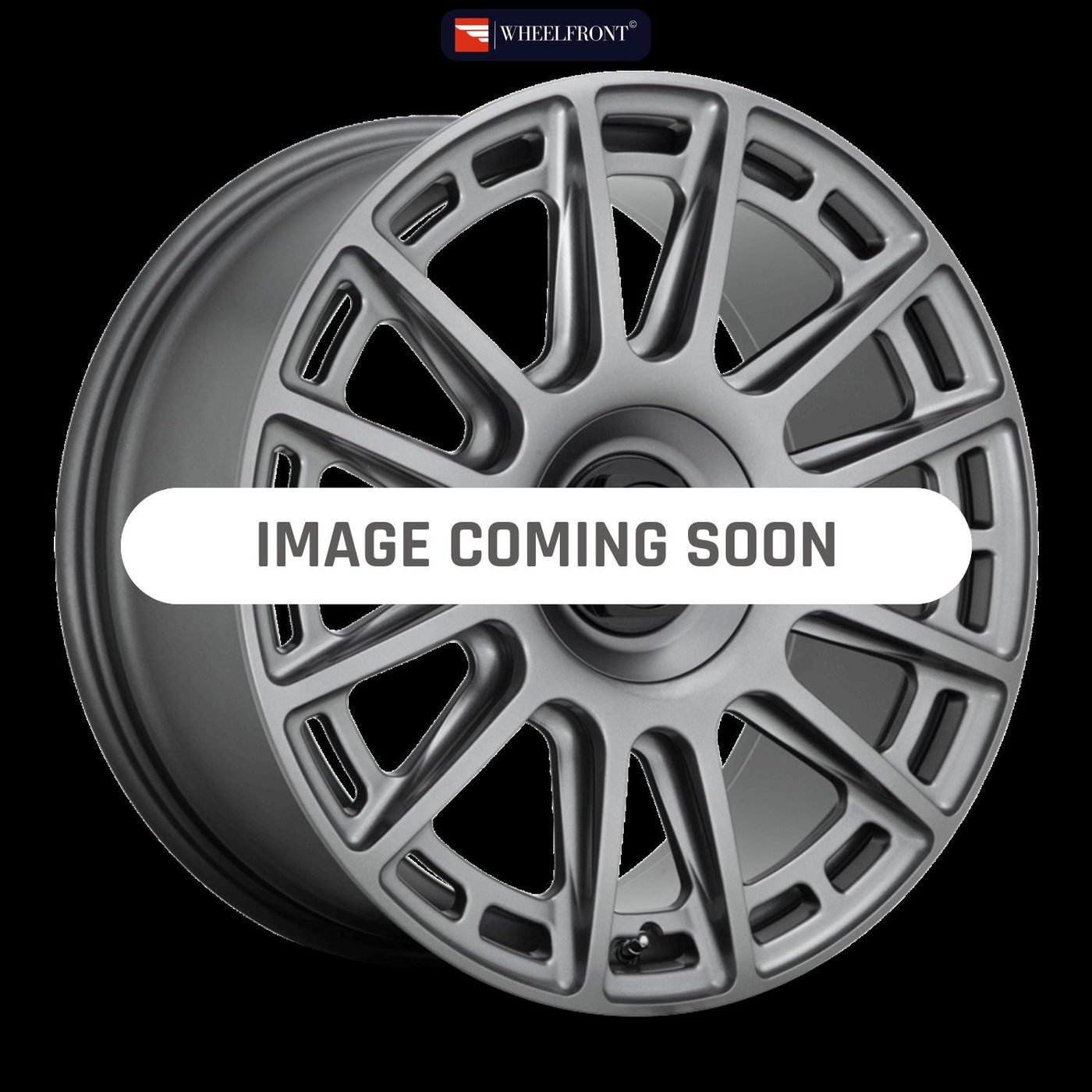
The spoke design on the Zephyr is pure genius for this build. It pulls the visual weight toward the center of the hub. It makes the wheel look deep and intentional rather than like an afterthought.
What We Recommend for Toyota RAV4 2020 Owners
Stick to a 17-inch or 18-inch wheel for the best results. Anything bigger looks like a mall cruiser and kills your ride quality. You want rubber, not just shiny metal.
Aim for an offset between +35 and +40 for a clean, flush look. Anything lower than +30 will poke too far and spray rocks all over your paint. Protect your clear coat by staying within this window.
Forget about staggered setups on a RAV4. This is an all-wheel-drive platform that needs a square footprint. Keep all four wheels and tires identical to save your transmission from extra stress.
Do not even think about tire stretch on an off-road build. You want a meaty, squared-up sidewall to protect the wheel from curbs and rocks. It looks better and performs better, period.
Avoid cheap wheel spacers if you can help it. They add unnecessary strain to your wheel bearings and suspension bushings. If you need more clearance, buy the right wheel offset instead.
Check your lug nuts twice after the first hundred miles. Aftermarket wheels often require different seat types than the factory Toyota hardware. Never reuse your stock lugs on these Fuel wheels.
Style and Build Analysis
The Zephyr finish provides a perfect contrast against the RAV4 body lines. The matte texture catches the light in a way that highlights the sharp spokes. It looks industrial, tough, and perfectly purposeful.
This design breaks up the slab-sided look of the RAV4 perfectly. The geometric patterns on the face add some much-needed visual complexity. It makes the car look like it belongs in the dirt, not just the parking lot.
Proportions are everything in a build like this. By filling the wheel arches properly, the car looks lower and meaner without actually lowering the suspension. It strikes that elusive balance between function and form.
Compared to the other builds we feature, this one feels the most honest. It does not try to be a track car or a show queen. It looks like a high-end adventure vehicle built for the weekend.
The stance gives the car a sense of gravity that it lacks from the factory. It sits flat and hunkered down, ready for whatever trail comes next. I love how the wheel design carries the eye all the way to the edge of the rim.
Why We Love This Build
This RAV4 is the perfect example of how the right wheels change everything. The Fuel Zephyrs grab your attention the second you walk into the lot. The way the light hits the recessed center sections makes the whole car pop against the pavement.
I love seeing a practical vehicle built with such clear vision. It feels rugged, capable, and ready to tackle a mountain pass on a Tuesday. The proportions are dead on, filling the arches just enough to look aggressive.
This build stops me in my tracks because it is so usable. You get the style of a custom project without losing the soul of the Toyota platform. This is exactly how a RAV4 should look coming off the assembly line.
Go get yourself a set and transform your ride today.
Full Specs Breakdown
Here is exactly what this owner is running. We break down every detail so you can replicate this build or use it as a starting point for your own setup.
- Car Make & Model: Toyota RAV4 2020
- Vehicle Color:
- Wheel Brand & Model: Fuel Off-Road ZEPHYR
- Wheel Size: 17″, 18″, 20″ / 17″, 18″, 20″
- Offset: Contact dealer
Before You Buy: Fitment Checklist
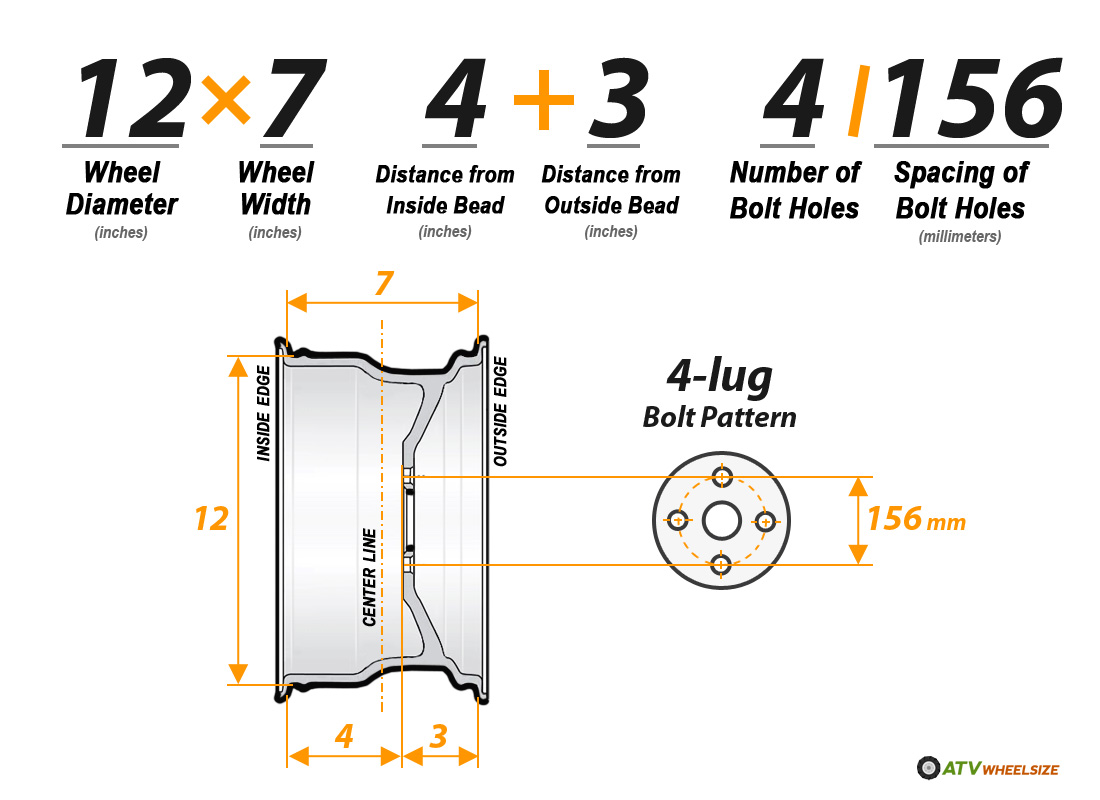
We talk to Toyota RAV4 owners every day. These are the questions we hear most before they pull the trigger on new wheels.
Will 17″, 18″, 20″ / 17″, 18″, 20″-inch wheels fit my Toyota RAV4? Yes, but fitment depends on width, offset, and tire size working together. A wrong offset means rubbing. A wrong tire size means poor handling. Always verify all three.
Do I need to modify my fenders? That depends on your offset and suspension. A conservative offset with stock ride height usually fits without modification. Go aggressive and you may need to roll or pull your fenders.
Can I daily-drive this setup? Absolutely. Thousands of Toyota RAV4 owners run 17″, 18″, 20″ / 17″, 18″, 20″-inch wheels every day. The key is choosing the right tire with enough sidewall to absorb road imperfections.