About This Toyota Corolla Base 1990 Build
We love featuring real builds from real owners. This Toyota Corolla Base 1990 sits on a set of 15×7 / 15×7-inch Rays-Engineering Te37 wheels, and the result speaks for itself.
The owner chose Rays-Engineering for a reason. This brand delivers serious quality and a design language that turns heads at every car meet. We see hundreds of Toyota Corolla Base builds come through WheelFront every month, but this one stands out. The combination of the exterior with the Rays-Engineering Te37 creates a look that balances aggression with elegance.
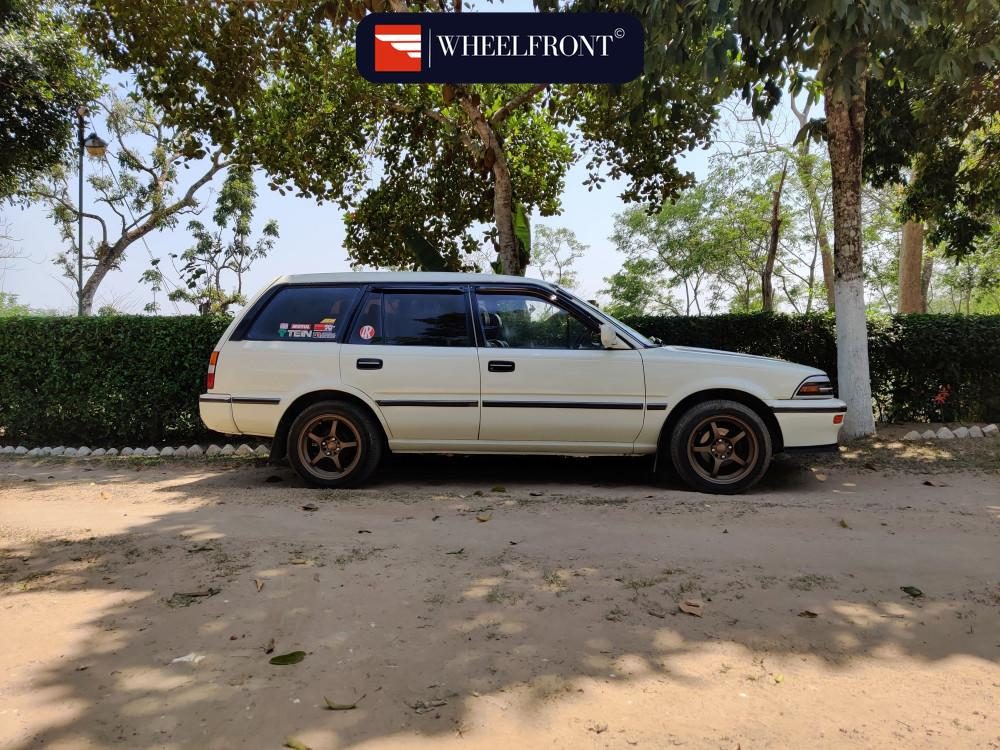
Fitment Breakdown: Rays-Engineering Te37 on the Toyota Corolla Base 1990
I walked up to this '90 Corolla and immediately did a double-take. Seeing a set of 15x7 Rays TE37s bolted to an AE92 base model is pure magic. That 33 offset sits right in the pocket for this chassis.
The 15-inch diameter feels perfect for the boxy proportions of the Corolla. You get enough sidewall to keep the ride compliant while filling the wheel well much better than the factory steelies. It looks purposeful without feeling cartoonish.
I checked the caliper clearance and it is spot on. TE37s have that iconic spoke design that just swallows up brake components. You will not have any interference issues here, even with the stock hardware.
The hub bore on these wheels matches the Toyota sizing perfectly. We hate dealing with finicky hub-centric rings that rust or seize up. This setup bolts straight on like it left the factory that way.
Looking at the fender gap, the 33 offset pushes the wheel just enough to flush it with the arch. You get a clean line down the side of the car. It is aggressive but keeps the integrity of the original body lines.
I looked closely at the barrel depth and it is surprisingly deep for a seven-inch wheel. That classic TE37 face gives the car a much wider track width visually. It changes the whole personality of the AE92 from an appliance to a street machine.
Watch your inner clearance if you decide to drop the suspension later. While the stock ride height keeps you clear of rubbing, lowering the car will tighten those margins near the plastic liners. Keep a close eye on the front turn-in angles.
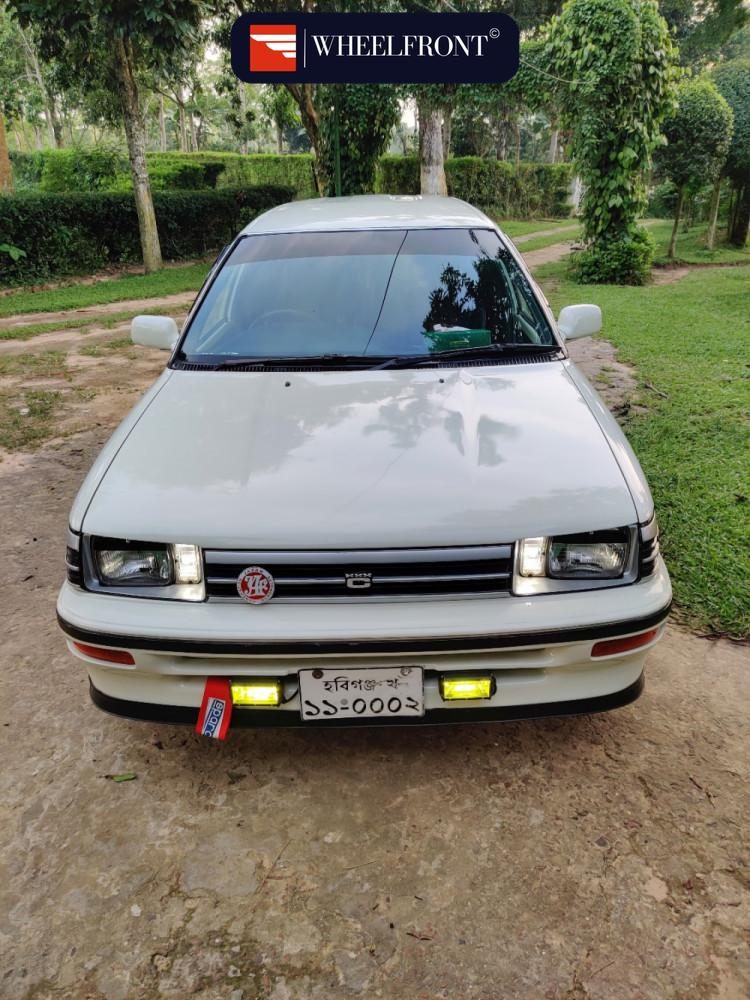
Overall, this fitment represents the gold standard for a daily-driven Toyota build. It keeps the car usable while adding that undeniable Japanese racing heritage. You really cannot ask for a cleaner execution on this platform.
What We Recommend for Toyota Corolla Base 1990 Owners
If you want to replicate this look, stick to the 15x7 sizing. Anything wider than seven inches on an AE92 usually requires aggressive fender rolling or custom camber adjustments. We prefer to keep the chassis geometry simple.
Aim for offsets between 30 and 35. This range keeps the scrub radius within a manageable window and prevents premature wear on your wheel bearings. Going lower than 30 will force you to pull the fenders, which ruins the classic look.
Always run a square setup on these cars. Staggered wheels on a front-wheel-drive Corolla just create unnecessary understeer and make tire rotations a nightmare. Keep all four corners identical for the best handling balance.
Be careful with tire selection because it dictates your clearance more than the wheel itself. I suggest a 195/50/15 tire for a nice, meaty look that avoids the annoying "stretched" trend. It keeps the ride quality high and protects the rim lip from potholes.
Do not be tempted by cheap spacers to fix your fitment. If you buy the right offset from the start, you never need to rely on hardware that adds stress to your studs. Spend the extra money on high-quality wheels instead.
Finally, check your suspension bushings before mounting expensive wheels. Worn bushings will cause alignment shifts that can make even the best fitment rub under load. Fix the foundation first, then upgrade the rollers.
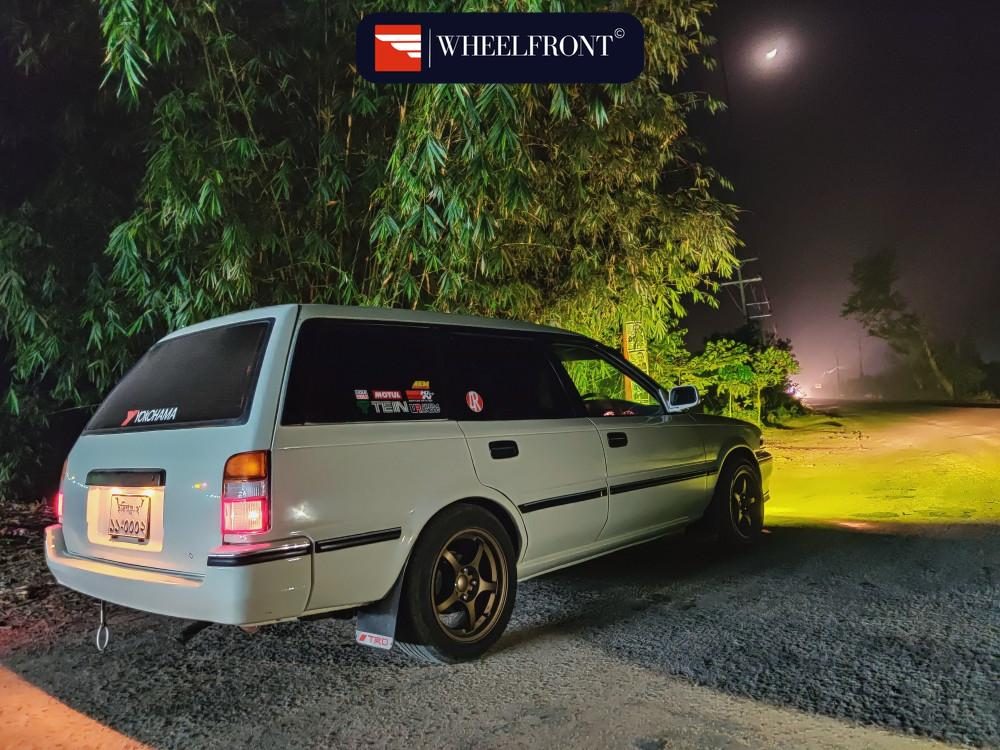
Style and Build Analysis
The chrome finish on these TE37s is a bold choice that pays off in spades. Most people go for the traditional bronze or white, but the chrome elevates this Corolla into a different tax bracket. It turns the wheels into functional jewelry.
The contrast between the period-correct paint and the mirror-polished finish is striking. When the car rolls, the reflection of the pavement against the spokes creates a hypnotic blur. It looks like a high-budget magazine feature brought to life.
Rays-Engineering mastered the spoke design decades ago and it still looks fast standing still. Those six spokes are iconic for a reason. They carry the visual weight of the car without making it look heavy or cluttered.
The stance is factory-fresh yet modified. It does not look like a race car that got towed to the show, but rather a clean driver that could hold its own on a spirited mountain run. That is the hardest aesthetic to nail.
This car reminds me of the golden era of Japanese street tuning. It avoids the over-the-top aero kits and giant wings in favor of quality wheels and clean paint. It proves that you do not need much to make a Corolla stand out.
Every time I look at the proportions, I find something new to appreciate. The way the wheels align with the body panels highlights just how well-designed these cars were from the start. It is a masterclass in subtlety.
Why We Love This Build
This Corolla captures my imagination because it respects the heritage of the platform. By pairing a legendary wheel with an unassuming base model, the owner created a machine with serious soul. The way the sun catches that chrome on a Sunday morning is enough to make any enthusiast stop and stare.
The wheels fill the arches just enough to give it a purposeful, athletic posture that completely transforms the drive. It stops us in our tracks because it is honest, authentic, and unapologetically cool. I would drive this thing every single day without changing a single bolt.
This isn't just a car; it is a reminder that style is all about the details. If you want a build that hits hard, get yourself a set of TE37s and don't look back.
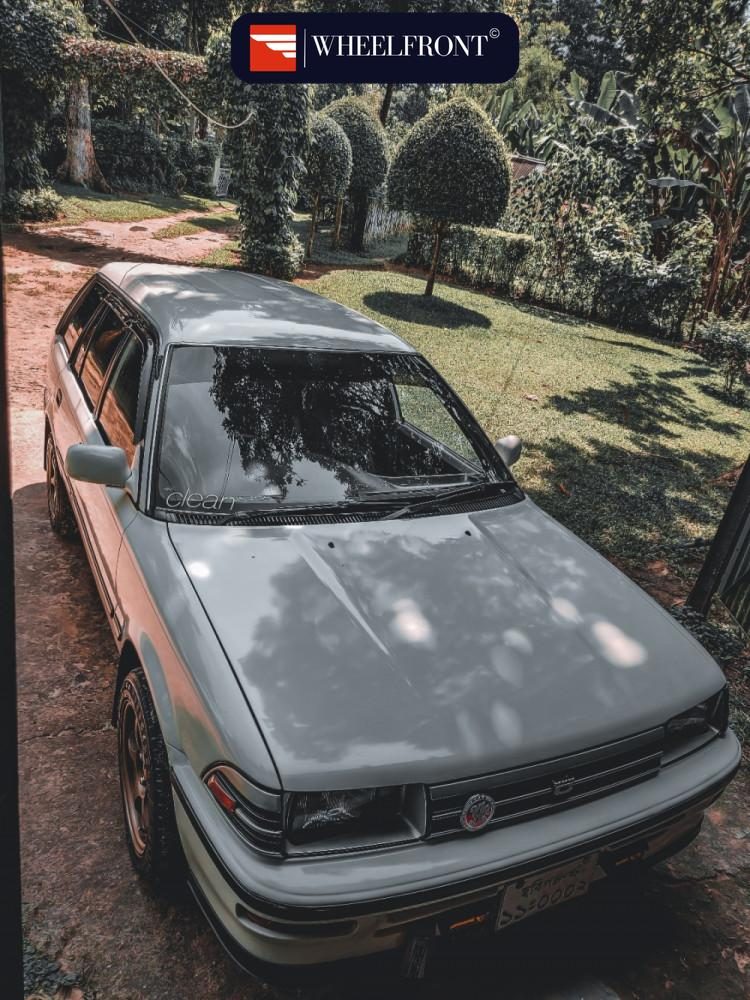
Full Specs Breakdown
Here is exactly what this owner is running. We break down every detail so you can replicate this build or use it as a starting point for your own setup.
- Car Make & Model: Toyota Corolla Base 1990
- Vehicle Color:
- Wheel Brand & Model: Rays-Engineering Te37
- Wheel Size: 15×7 / 15×7
- Offset: 33 / 33
- Wheel Finish: Chrome
- Tires: Haida HD 668 195/55 23.4″x7.7″ / 195/55 23.4″x7.7″
- Suspension: Stock
Before You Buy: Fitment Checklist
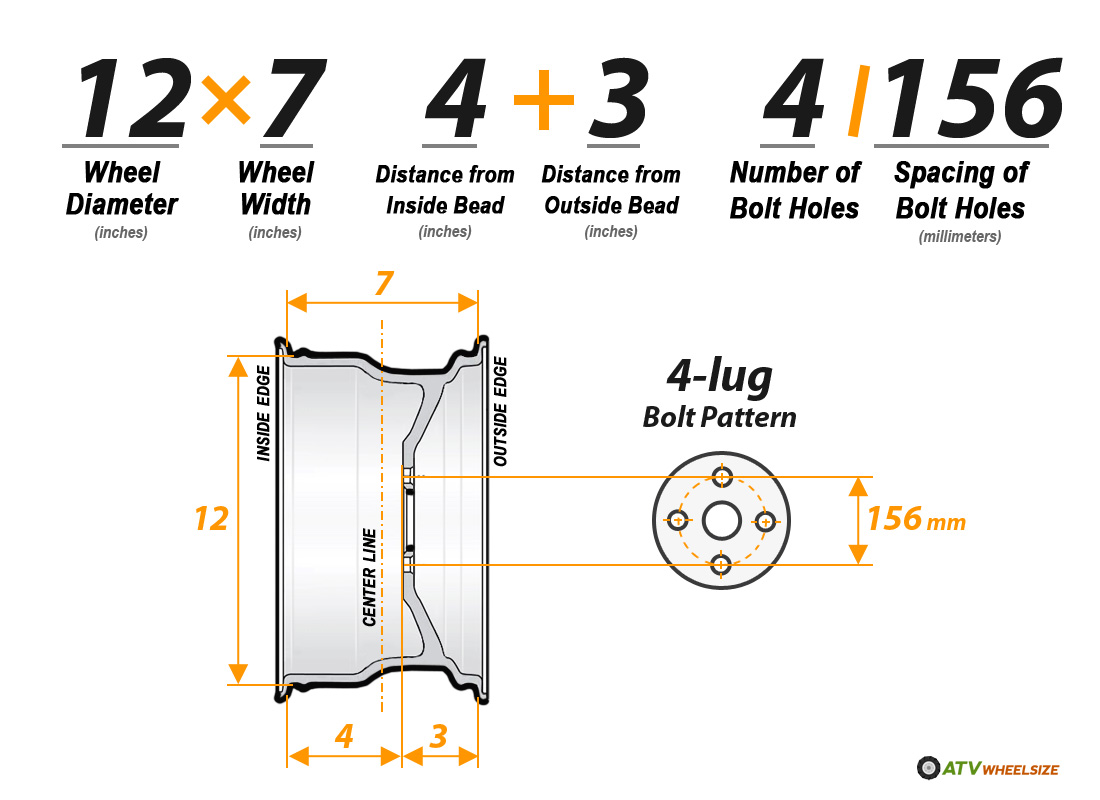
We talk to Toyota Corolla Base owners every day. These are the questions we hear most before they pull the trigger on new wheels.
Will 15×7 / 15×7-inch wheels fit my Toyota Corolla Base? Yes, but fitment depends on width, offset, and tire size working together. A wrong offset means rubbing. A wrong tire size means poor handling. Always verify all three.
Do I need to modify my fenders? That depends on your offset and suspension. A conservative offset with stock ride height usually fits without modification. Go aggressive and you may need to roll or pull your fenders.
Can I daily-drive this setup? Absolutely. Thousands of Toyota Corolla Base owners run 15×7 / 15×7-inch wheels every day. The key is choosing the right tire with enough sidewall to absorb road imperfections.