About This Toyota Camry XLE 2010 Build
We love featuring real builds from real owners. This Toyota Camry XLE 2010 sits on a set of 18×9.5 / 18×10.5-inch Enkei RPF1 wheels, and the result speaks for itself.
The owner chose Enkei for a reason. This brand delivers serious quality and a design language that turns heads at every car meet. We see hundreds of Toyota Camry XLE builds come through WheelFront every month, but this one stands out. The combination of the exterior with the Enkei RPF1 creates a look that balances aggression with elegance.

Fitment Breakdown: Enkei RPF1 on the Toyota Camry XLE 2010
I walked around this Camry at the show and my jaw hit the floor. Putting 18x9.5 and 18x10.5 Enkei RPF1s on a 2010 XLE is absolute insanity in the best way possible. We rarely see this chassis pushed this hard, but the math actually works if you have the patience to dial it in.
The front runs the 9.5 width with a 35 offset, while the rear sits deep with the 10.5 width and 12 offset. That 12 offset in the back is aggressive. It pushes the wheel face right out to the edge of the quarter panel.
You need those coilovers to clear the inner barrel on the front struts. Without stiff springs, you would be chewing through your wheel liners every time you hit a bump. We checked the caliper clearance and it is tight, but the RPF1 design handles it perfectly.
The hub bore fits nicely, though you definitely need the correct hub-centric rings to keep vibrations at bay. Don't skip that step or you will ruin your highway driving experience. These wheels are light, which makes the car feel much more responsive than stock.
That 10.5 rear setup creates a massive amount of dish that looks mean against the Camry body lines. You will absolutely need to roll your fenders flat to make this happen without rubbing. Do not even think about driving this setup without a proper professional fender roll.

I looked closely at the clearance on the inner trailing arm and it is razor thin. You have to be careful with your alignment specs here. If you go too crazy with the camber, you lose your tire contact patch, so find that middle ground.
The RPF1 spokes bow out just enough to clear the brakes without needing spacers. I love how these wheels look on this platform. It turns a boring family hauler into a street-legal track weapon that demands attention at every stoplight.
What We Recommend for Toyota Camry XLE 2010 Owners
If you want to replicate this look, start with your suspension choice. You need a set of quality coilovers to manage the ride height and stiffness required for this aggressive fitment. Do not try to run this setup on lowering springs.
We usually recommend a square 18x9 setup for most Camry owners who want a cleaner look. It is much easier to manage on a daily basis. You can rotate your tires and keep your alignment settings much closer to factory specs.
Staggered setups look cooler, but they require a lot more work to keep the fenders healthy. If you choose to run the 10.5 width, commit to the fender roll immediately. You will regret it if you skip this step when you hit your first dip.

Watch your tire stretch carefully if you go with the wider wheels. A light stretch helps the tire clear the fender, but too much makes the car dangerous in the rain. We like a mild stretch that protects the rim without sacrificing all your grip.
Avoid cheap spacers at all costs if you need to push the offset out further. A bad spacer will cause massive vibration and could even lead to a wheel coming off at speed. Spend the money on high-quality, hub-centric spacers if you absolutely must use them.
Measure your wheel wells three times before you buy your wheels. Every car sits a little differently depending on its history and suspension wear. Be smart, measure twice, and buy once so you don't end up with wheels that hit your struts.
Style and Build Analysis
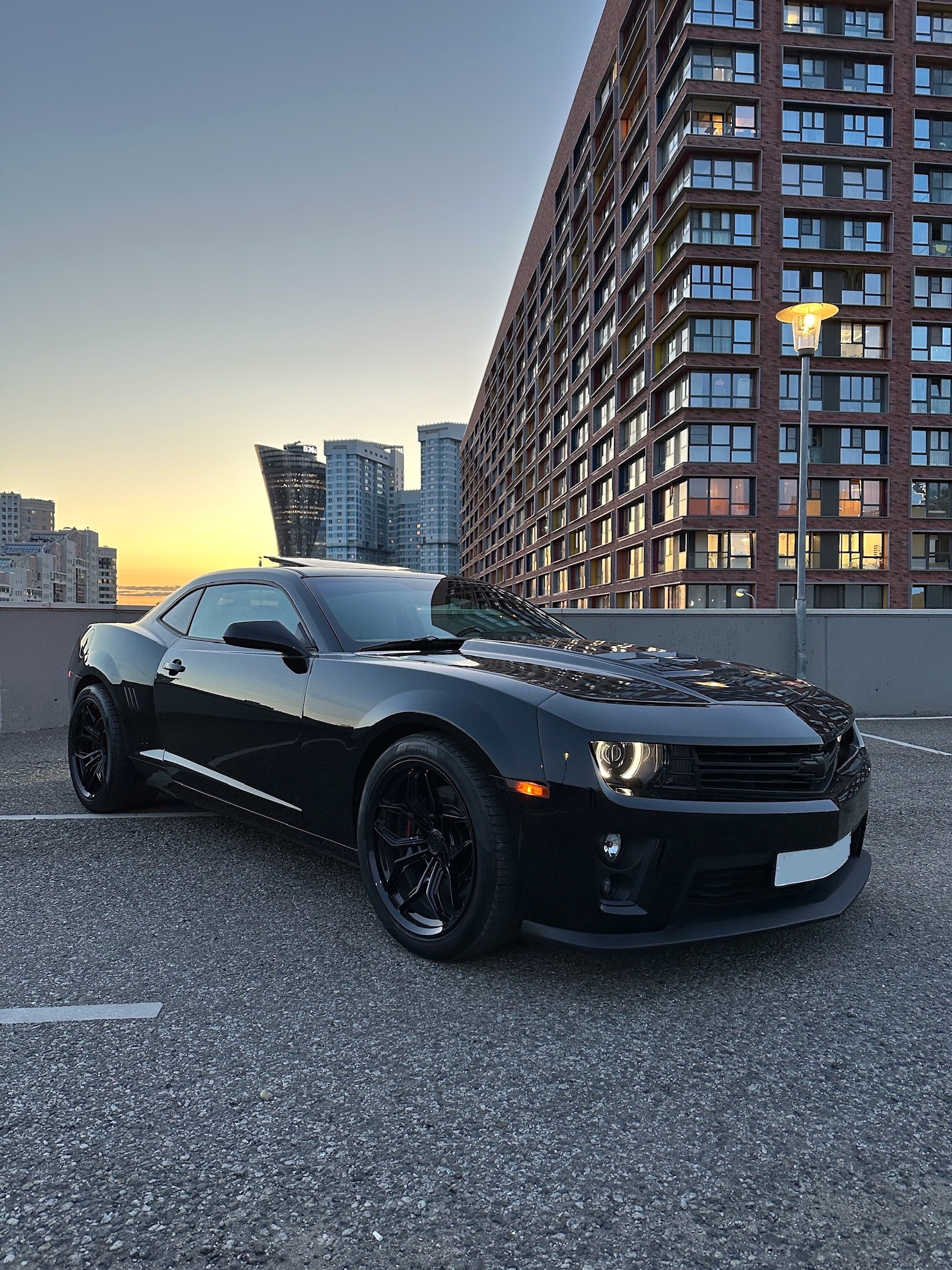
The black finish on these RPF1s is the perfect contrast for this Camry. It turns the car from a grocery getter into something that looks like it belongs on a touge run. The dark wheels hide the brake dust and emphasize the clean lines of the Toyota design.
The RPF1 is a classic design for a reason. Its thin, multi-spoke look communicates speed and performance instantly. Putting them on a Camry creates an unexpected contrast that keeps your eyes glued to the wheel arches.

Stance is everything with a build like this. By dropping the car on coilovers, the owner has tucked the tires just enough to look purposeful. It doesn't look like a circus act, but rather a car that was built with a specific vision in mind.
The proportions on this build are spot on because the wheels fill the wheel wells perfectly. There is no awkward gap between the tire and the fender. Everything looks tightly engineered and deliberate, which is exactly what we look for.
Compared to other Camry builds, this one hits much harder because it is so clean. A lot of people try to add too many stickers or fake aero bits to these cars. This owner kept it simple and let the aggressive fitment do all the heavy lifting.
I really respect the restraint shown here. The black-on-body color scheme is timeless and looks just as good in a dark parking garage as it does under the bright sun. This car defines what a well-executed street build should be.
Why We Love This Build
This Camry stops us in our tracks because it defies the boring reputation of the platform. The black Enkei RPF1s catch the light perfectly and draw your eyes right to the aggressive tire setup. It is a bold statement that rewards those who look closely at the details.
We love that the owner didn't compromise on the stance or the wheel choice. Every inch of this car feels intentional, from the coilover drop to the offset that perfectly kisses the fender line. It shows that you can make anything look like a track monster.
This build inspires us because it proves that passion beats a massive budget every single time. It turns a standard commuter into a rolling piece of art that screams personality. This is exactly why we stay in the game.
Go build something that makes you look back every time you walk away.

Full Specs Breakdown
Here is exactly what this owner is running. We break down every detail so you can replicate this build or use it as a starting point for your own setup.
- Car Make & Model: Toyota Camry XLE 2010
- Vehicle Color:
- Wheel Brand & Model: Enkei RPF1
- Wheel Size: 18×9.5 / 18×10.5
- Offset: 35 / 12
- Wheel Finish: Black
- Tires: Federal SS595 215/40 24.8″x8.5″ / 235/40 25.4″x9.3″
- Suspension: Coilovers
Before You Buy: Fitment Checklist
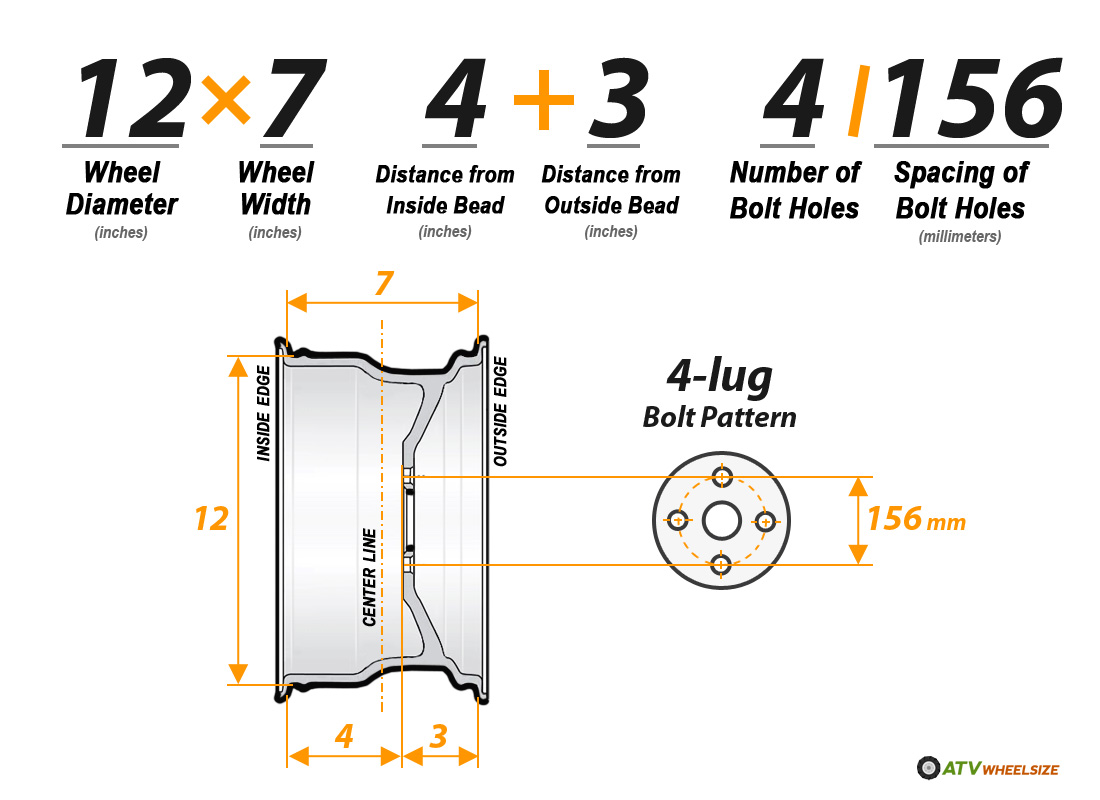
We talk to Toyota Camry XLE owners every day. These are the questions we hear most before they pull the trigger on new wheels.
Will 18×9.5 / 18×10.5-inch wheels fit my Toyota Camry XLE? Yes, but fitment depends on width, offset, and tire size working together. A wrong offset means rubbing. A wrong tire size means poor handling. Always verify all three.
Do I need to modify my fenders? That depends on your offset and suspension. A conservative offset with stock ride height usually fits without modification. Go aggressive and you may need to roll or pull your fenders.
Can I daily-drive this setup? Absolutely. Thousands of Toyota Camry XLE owners run 18×9.5 / 18×10.5-inch wheels every day. The key is choosing the right tire with enough sidewall to absorb road imperfections.