About This Subaru Forester X 2010 Build
We love featuring real builds from real owners. This Subaru Forester X 2010 sits on a set of 18×8.5 / 18×8.5-inch Fifteen52 Tarmac wheels, and the result speaks for itself.
The owner chose Fifteen52 for a reason. This brand delivers serious quality and a design language that turns heads at every car meet. We see hundreds of Subaru Forester X builds come through WheelFront every month, but this one stands out. The combination of the exterior with the Fifteen52 Tarmac creates a look that balances aggression with elegance.

Fitment Breakdown: Fifteen52 Tarmac on the Subaru Forester X 2010
I walked up to this Forester at the meet and immediately knew the fitment was spot on. Running 18x8.5 Fifteen52 Tarmacs at all four corners creates a perfect square footprint. The 35 offset pushes the wheels right to the edge of the fenders without looking cartoonish.
This SH chassis Forester has plenty of room, but 18x8.5 is really the limit for a clean daily driver look. We checked the caliper clearance and it clears the stock stoppers with plenty of breathing room. You won't need spacers to clear the brakes on this setup.
The hub bore on these Tarmacs fits the Subaru 56.1 center bore perfectly with the right rings. I love how the flat-face design of the Tarmac hides the lack of deep lips. It emphasizes the rally pedigree of the brand instead of chasing fake depth.
With the coilovers dialed in, the car sits low enough to kill that unsightly factory wheel gap. We noticed the front struts are close, but the 35 offset keeps the tire clear of the spring perch. It is a precise engineering balance that rewards careful planning.
You should watch the rear fender liners during heavy compression. We saw a tiny bit of rub on the plastic tabs during aggressive cornering. A quick trim of those tabs solves the problem entirely.
The suspension geometry remains sharp because the track width increase is minimal. Everything feels tight and responsive behind the wheel. This is how you modify a Forester without ruining the legendary Subaru handling.
What We Recommend for Subaru Forester X 2010 Owners
If you want to replicate this, stick to a square setup. Staggered wheels on a Subaru drivetrain are a recipe for differential disaster. Keep the same width and diameter at all four corners to keep the AWD system happy.
An 18x8.5 wheel is the sweet spot for this generation. Don't go wider than 9 inches unless you want to deal with constant rubbing issues. You need to keep the tire profile sensible to avoid turning your ride into a bucking bronco.
The 35 offset is aggressive but manageable for this platform. If you go lower than a 30 offset, you will be rolling your fenders until your hands bleed. Stay in the 35 to 40 range for a stress-free install.
Most guys make the mistake of buying cheap tires to save money for the wheels. Don't do that, because the tire is the only thing connecting that boxer engine to the pavement. A good summer tire will transform how this Forester grips the tarmac.
If you choose to run coilovers, dial in your alignment before you push the car hard. Get a proper four-wheel alignment to prevent uneven wear. A little bit of negative camber goes a long way toward tucking the tires under those arches.
Style and Build Analysis
The white finish on these Tarmacs is a bold choice that pays off big time. It pops against the darker body panels of the Forester. It screams early-2000s rally car in the best possible way.
Fifteen52 nailed the industrial aesthetic with this design. The solid, chunky spokes look like they were pulled straight off a tarmac stage car. It gives the soft lines of the Forester a much-needed injection of aggression.
I love how the white finish catches the sunlight when the car is moving. It makes the wheels look larger than they actually are. The proportions are balanced perfectly between the roofline and the wheel arches.
Most builds we feature go for dark grey or black wheels to hide the brake dust. This owner went the other way and embraced the maintenance. It shows a commitment to the aesthetic that I truly respect.
The stance is neither too slammed nor too high, which keeps the car functional. You can actually drive this thing over a speed bump without fear. It achieves that elusive balance between show car looks and daily driver usability.
Why We Love This Build
This Forester build hits all the right notes for me. The bright white Tarmacs glow against the pavement and give the SUV a crisp, purposeful look that demands attention. Watching it roll into the lot, the way the light dances off those flat faces is pure automotive art. It reminds me why we love this hobby so much. We don't just drive cars, we craft them into something that reflects our own vision. This Subaru isn't just a grocery getter anymore; it is a rally-inspired machine built for the street. I could stare at this fitment all day. Buy the wheels, lower the car, and just drive.

Full Specs Breakdown
Here is exactly what this owner is running. We break down every detail so you can replicate this build or use it as a starting point for your own setup.
- Car Make & Model: Subaru Forester X 2010
- Vehicle Color:
- Wheel Brand & Model: Fifteen52 Tarmac
- Wheel Size: 18×8.5 / 18×8.5
- Offset: 35 / 35
- Wheel Finish: White
- Tires: Pirelli Cinturato P7 All Season 225/35 24.2″x8.9″ / 225/35 24.2″x8.9″
- Suspension: Coilovers
Before You Buy: Fitment Checklist
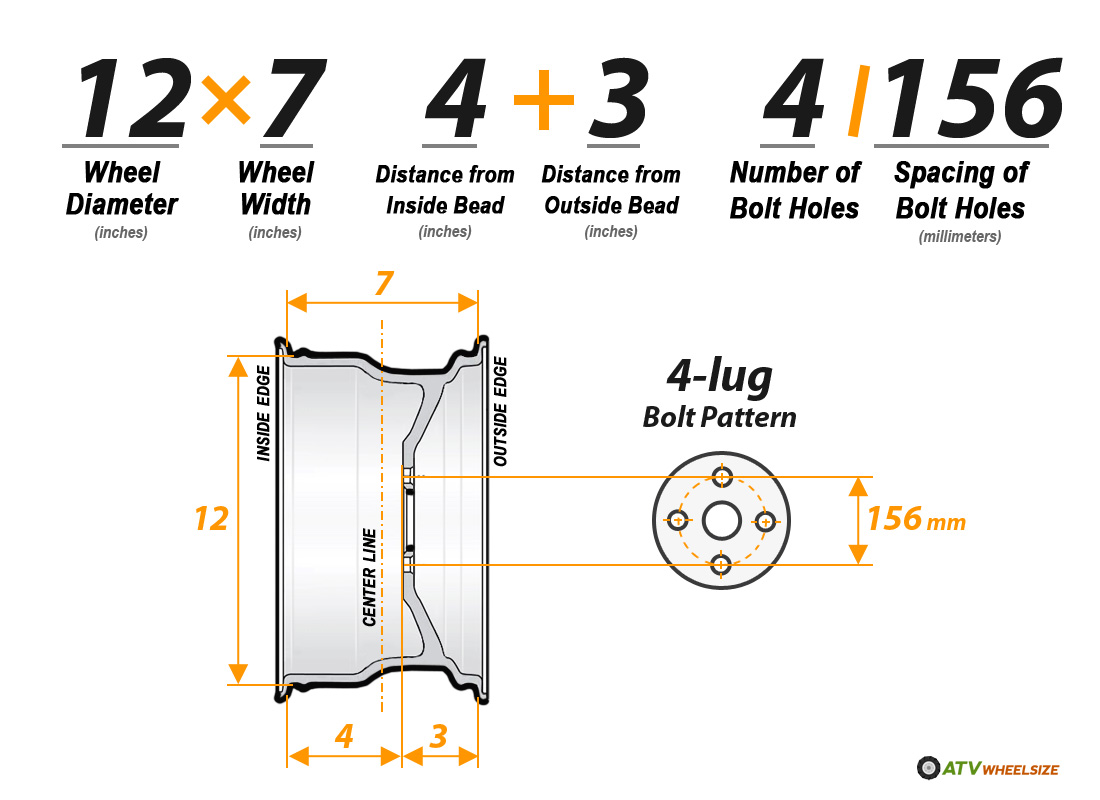
We talk to Subaru Forester X owners every day. These are the questions we hear most before they pull the trigger on new wheels.
Will 18×8.5 / 18×8.5-inch wheels fit my Subaru Forester X? Yes, but fitment depends on width, offset, and tire size working together. A wrong offset means rubbing. A wrong tire size means poor handling. Always verify all three.
Do I need to modify my fenders? That depends on your offset and suspension. A conservative offset with stock ride height usually fits without modification. Go aggressive and you may need to roll or pull your fenders.
Can I daily-drive this setup? Absolutely. Thousands of Subaru Forester X owners run 18×8.5 / 18×8.5-inch wheels every day. The key is choosing the right tire with enough sidewall to absorb road imperfections.