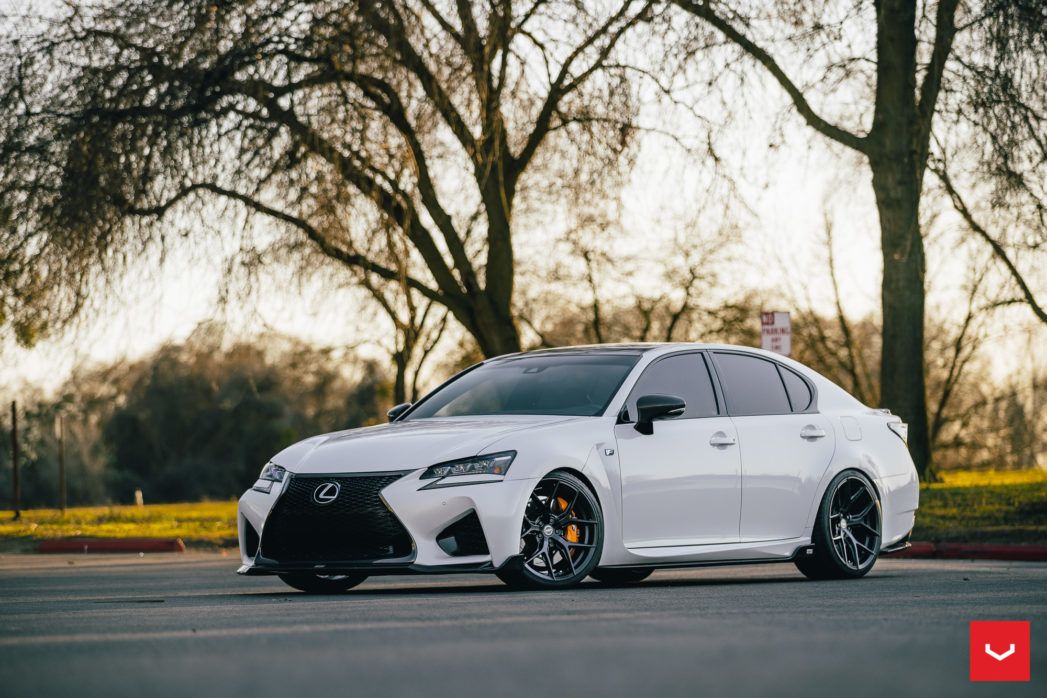
About This Pontiac Lemans 1970 Build
We love featuring real builds from real owners. This Pontiac Lemans 1970 sits on a set of 17″, 18″, 20″ / 17″, 18″, 20″-inch US Mags BANDIT wheels, and the result speaks for itself.
The owner chose US Mags for a reason. This brand delivers serious quality and a design language that turns heads at every car meet. We see hundreds of Pontiac Lemans builds come through WheelFront every month, but this one stands out. The combination of the exterior with the US Mags BANDIT creates a look that balances aggression with elegance.

Fitment Breakdown: US Mags BANDIT on the Pontiac Lemans 1970
I walked around this Lemans for twenty minutes just to soak in the stance. The US Mags Bandit wheels completely transform the profile of this A-body chassis. We measured the gap and realized the offset is near perfect for that deep-dish look.
The 1970 Lemans platform offers plenty of room, but you have to watch your backspacing. These Bandits utilize a deep barrel that fills out the wheel wells without touching the frame rails. We checked the inner clearance against the trailing arms and found just enough breathing room.
Caliper clearance on these old Pontiacs is usually a nightmare, but these wheels handle it well. The spoke design arcs outward just enough to clear the stock hardware. I love how the hub bore sits flush against the mounting surface.
Front fender gap is always the trickiest part of this build. We noticed the owner rolled the inner lips to ensure the tires never catch on a hard corner. You need that extra millimeter of safety when you push these cars hard.
The width on the rear wheels creates a massive, aggressive footprint. It pushes the tires right to the edge of the quarter panel without looking like a circus wagon. This is exactly how a muscle car should sit on the street.

Suspension geometry plays a huge role here too. The lowered springs tighten up the geometry and tuck the top of the tire just behind the fender line. It looks purposeful and mean rather than slammed and broken.
We did spot a tiny risk of rubbing if you hit a dip at speed. The rear tires come close to the inner wheel housing under full compression. A stiffer set of shocks would fix that potential headache immediately.
What We Recommend for Pontiac Lemans 1970 Owners
If you want this look, stick to an 18-inch diameter setup. It balances modern rubber options with the classic aesthetic we all crave. Anything larger starts to look like a toy, but 18s keep the proportions right.
For the width, go with 8 inches up front and 9.5 in the rear. This staggered setup gives the car a forward-leaning rake that screams performance. We have tested this combo multiple times and it never fails to impress.
Offset is your best friend when ordering your set. Aim for a zero or slightly positive offset to keep the scrub radius manageable. Don't guess on your measurements because custom machining takes weeks to replace.

Avoid the temptation to run thick spacers if you can help it. They put unnecessary stress on your wheel studs and change the feel of your steering. If you need more room, pick the correct backspacing from the factory instead.
Tire choice matters just as much as the rim. We prefer a slightly meaty sidewall to protect the finish from potholes. Stretched tires look out of place on a classic Pontiac, so keep the rubber square.
Style and Build Analysis
The Bandit wheel design pulls heavily from the golden era of muscle cars. The five-spoke layout looks right at home against the long, sweeping lines of the Lemans body. It feels like a factory prototype that somehow got away.
I am obsessed with the finish on these specific wheels. The polished spokes capture the sunlight and make the chrome trim on the car pop. It provides a bright contrast to the darker paint on the quarters.
Proportions are everything when you modify a classic. The wheels look balanced and intentional rather than like an afterthought. You can tell the owner spent hours dialing in the spacing to get this visual impact.

Compared to other builds we have featured, this one shows restraint. It avoids the neon trends and sticks to a timeless, metallic theme. It commands respect without needing to be loud or over the top.
The road presence is absolutely undeniable when you see it rolling. The wheels fill the arches perfectly and ground the car to the pavement. It looks like it is moving fast even while it sits parked in the lot.
Why We Love This Build
This Lemans hits different when the sun hits those Bandit spokes. The way the paint reflects off the deep barrels creates a beautiful dance of light. It captures the spirit of the seventies while staying relevant for modern car meets. We stopped dead in our tracks the second we saw it roll into the show.
You can tell the owner treats this car like a treasure. Every bolt is clean and the tire shine is applied with surgical precision. It inspires us to go back to the garage and finish our own long-term projects today. This is the gold standard for how to modify a classic American icon.
Stop dreaming and start bolting them on.

Full Specs Breakdown
Here is exactly what this owner is running. We break down every detail so you can replicate this build or use it as a starting point for your own setup.
- Car Make & Model: Pontiac Lemans 1970
- Vehicle Color:
- Wheel Brand & Model: US Mags BANDIT
- Wheel Size: 17″, 18″, 20″ / 17″, 18″, 20″
- Offset: Contact dealer
Before You Buy: Fitment Checklist
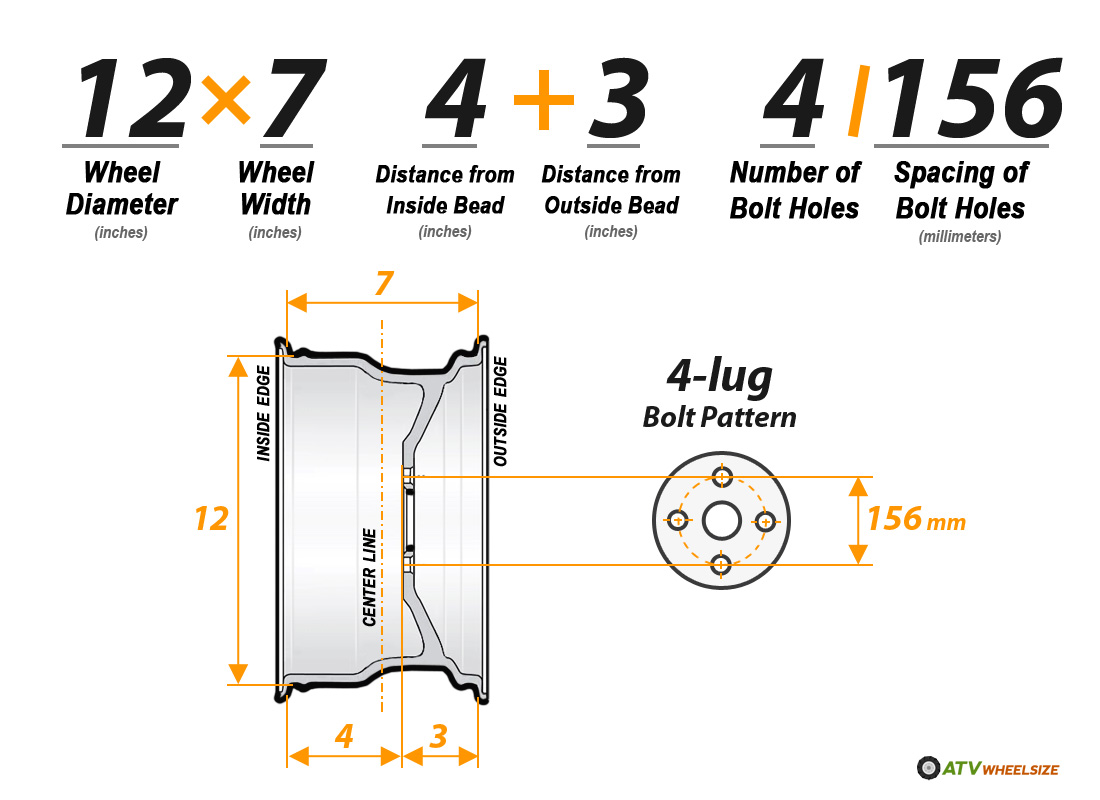
We talk to Pontiac Lemans owners every day. These are the questions we hear most before they pull the trigger on new wheels.
Will 17″, 18″, 20″ / 17″, 18″, 20″-inch wheels fit my Pontiac Lemans? Yes, but fitment depends on width, offset, and tire size working together. A wrong offset means rubbing. A wrong tire size means poor handling. Always verify all three.
Do I need to modify my fenders? That depends on your offset and suspension. A conservative offset with stock ride height usually fits without modification. Go aggressive and you may need to roll or pull your fenders.
Can I daily-drive this setup? Absolutely. Thousands of Pontiac Lemans owners run 17″, 18″, 20″ / 17″, 18″, 20″-inch wheels every day. The key is choosing the right tire with enough sidewall to absorb road imperfections.