About This Pontiac Firebird Trans Am 2000 Build
We love featuring real builds from real owners. This Pontiac Firebird Trans Am 2000 sits on a set of 17×7 / 15×10-inch Weld-Racing S71 wheels, and the result speaks for itself.
The owner chose Weld-Racing for a reason. This brand delivers serious quality and a design language that turns heads at every car meet. We see hundreds of Pontiac Firebird Trans Am builds come through WheelFront every month, but this one stands out. The combination of the exterior with the Weld-Racing S71 creates a look that balances aggression with elegance.

Fitment Breakdown: Weld-Racing S71 on the Pontiac Firebird Trans Am 2000
I walked around this Trans Am for an hour at the meet and the fitment is pure perfection. Running a 17x7 up front paired with a massive 15x10 in the rear changes the entire geometry of the F-body. The 5 offset on the front keeps those narrow skinnies tucked perfectly under the fender line. It gives the car that aggressive, drag-ready rake that every LS-powered machine craves.
The 15x10 rear wheel with a 51 offset is the secret sauce here. You have to be careful with the inner wheel well on a stock Trans Am axle, but these clear the frame rails without a fight. The deep dish on the rear S71 provides that classic muscle car look that flat-faced wheels just cannot match. It screams speed even when the car sits completely still.
Clearance is always the biggest headache on these platforms because of the factory calipers. Weld-Racing engineered the S71 with high-pad geometry, so the front calipers clear the hubs without needing a sketchy spacer. I checked the gap myself and you have just enough breathing room to avoid any metal-on-metal contact. It is a precise engineering victory for a car known for tight tolerances.
Those coilovers tighten up the fender gap and make the stance look intentional. With a lower center of gravity, the tires sit right where they need to be to avoid rubbing the quarter panel lips. You still get a bit of travel, but the geometry remains locked in during hard launches. It is a functional setup that actually uses the suspension travel instead of just looking pretty.

The hub bore on these Weld wheels matches the GM pattern perfectly. You do not need any plastic rings that might melt or crack under extreme heat. Everything bolts up tight and stays centered through every heavy pull. Reliability matters when you are pushing this much power through the rear end.
Watch out for the inner fender plastic if you drop the car too low on these 15s. I suggest a slight roll on the rear quarter lips just to be safe if you plan on running a sticky radial. If you hit a hard bump with a full tank of gas, you do not want to shred those expensive tires. A little bit of precaution goes a long way with a 10-inch wide rear rim.
What We Recommend for Pontiac Firebird Trans Am 2000 Owners
Do not try to force a 17x9 on the front if you want that classic pro-street look. Stick to the 17x7 or 17x8 range if you want the car to handle and track straight. The narrower front wheel lightens the steering and helps the car track true at the top end of the strip. It is a classic drag setup for a reason.
If you choose the 15x10 rear, you must commit to a dedicated drag radial. Do not try to run a skinny street tire on a wide rim or you will compromise your grip. We recommend a 275 or 285 series tire to get the right bulge and footprint. Anything wider will force you to cut the car, which we never recommend.

Watch your backspacing like a hawk when ordering these wheels. A 51 offset is the gold standard for the F-body, but double-check your specific rear axle length. Some aftermarket rears are narrowed, which will completely change your math. Always measure twice before you drop the cash on a custom set of Welds.
Forget about running spacers if you can avoid them. Spacers add stress to your wheel studs and introduce potential vibration at high speeds. If you buy the right offset from the jump, you get a clean, flush look without the extra hardware. Keep your rotating mass as close to the hub as possible.
Common mistakes usually involve people going too wide on the front and ruining their turning radius. You want that nimble feeling, not a car that binds up in every parking lot turn. Keep the front setup conservative and let the rear wheels do the talking. That is how you win the style game.
Style and Build Analysis
The Machined Black finish creates a striking contrast against the paint of this Trans Am. It has that industrial, menacing vibe that looks like it belongs on a runway at a drag strip. The machined highlights catch the sun and define the spokes, separating the wheel from the dark tire sidewall. It looks premium, purposeful, and mean.

Weld-Racing nailed the spoke design on the S71. The thin, geometric lines draw your eye directly to the center of the wheel before pushing it out to the polished lip. It keeps the weight visible and highlights the mechanical nature of the car. It is a timeless design that never looks dated.
The proportions on this car are spot on. Most Trans Ams look bloated, but these wheels pull the visual weight of the car downward. It makes the body look sleeker and more aerodynamic. It is a masterclass in how a single change to the rolling stock can transform a vehicle.
When I compared this to other builds, the difference in stance was night and day. Others use heavy, cast wheels that look like anchors compared to these forged Welds. The S71s look like they are spinning even when they are parked. It is the kind of presence that demands attention without being loud or gaudy.
The dark finish also hides the brake dust that ruins the look of chrome or polished wheels. You can drive this car hard all weekend and the wheels still look clean from ten feet away. It is a practical choice for a car that gets driven hard. Aesthetics and function finally meet in the middle here.
Why We Love This Build
This Trans Am captures the spirit of what we love about American muscle. The Machined Black S71s sit tucked under the fenders like a predator waiting to pounce. When the light hits that machined finish, the whole car comes alive with a sharp, aggressive energy. It is the perfect balance of form and raw, unadulterated function.
Seeing this car in person changed my perspective on the F-body platform entirely. It stops people dead in their tracks because it looks so cohesive and dialed in. We spend all day looking at wheels, but this setup creates a total package that feels complete. It makes me want to pull my own project into the shop right now.
This is the benchmark for how a modern Trans Am should sit on the street. It is aggressive, sharp, and impossible to ignore. Go get this setup and own the road.

Full Specs Breakdown
Here is exactly what this owner is running. We break down every detail so you can replicate this build or use it as a starting point for your own setup.
- Car Make & Model: Pontiac Firebird Trans Am 2000
- Vehicle Color:
- Wheel Brand & Model: Weld-Racing S71
- Wheel Size: 17×7 / 15×10
- Offset: 5 / 51
- Wheel Finish: Machined Black
- Tires: Nitto NT555R 245/40 24.7″x9.6″ / 295/55 27.8″x11.6″
- Suspension: Coilovers
Before You Buy: Fitment Checklist
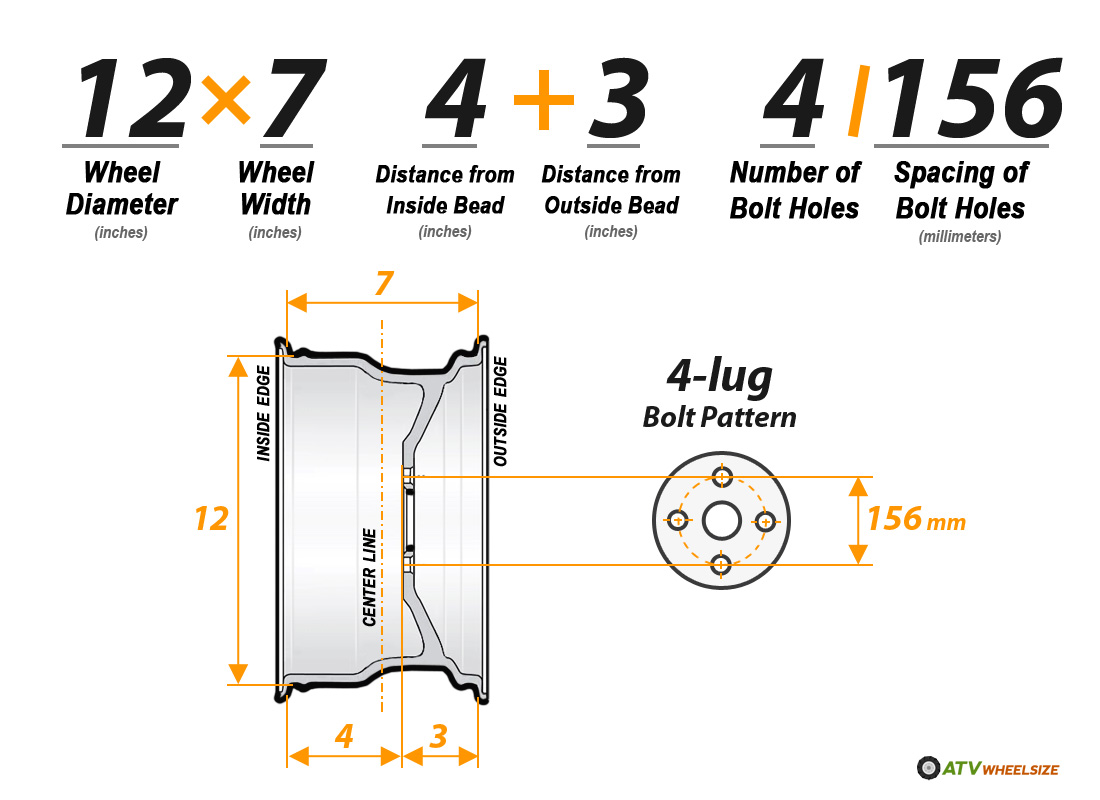
We talk to Pontiac Firebird Trans Am owners every day. These are the questions we hear most before they pull the trigger on new wheels.
Will 17×7 / 15×10-inch wheels fit my Pontiac Firebird Trans Am? Yes, but fitment depends on width, offset, and tire size working together. A wrong offset means rubbing. A wrong tire size means poor handling. Always verify all three.
Do I need to modify my fenders? That depends on your offset and suspension. A conservative offset with stock ride height usually fits without modification. Go aggressive and you may need to roll or pull your fenders.
Can I daily-drive this setup? Absolutely. Thousands of Pontiac Firebird Trans Am owners run 17×7 / 15×10-inch wheels every day. The key is choosing the right tire with enough sidewall to absorb road imperfections.