About This Plymouth Duster 1971 Build
We love featuring real builds from real owners. This Plymouth Duster 1971 sits on a set of 18X11 / 18X11-inch American Racing VF503 wheels, and the result speaks for itself.
The owner chose American Racing for a reason. This brand delivers serious quality and a design language that turns heads at every car meet. We see hundreds of Plymouth Duster builds come through WheelFront every month, but this one stands out. The combination of the exterior with the American Racing VF503 creates a look that balances aggression with elegance.

Fitment Breakdown: American Racing VF503 on the Plymouth Duster 1971
I walked up to this Duster and immediately stared at those massive 18x11 American Racing VF503 wheels. Putting an eleven-inch wide wheel on all four corners of an A-body Mopar is a wild move. It completely changes the footprint of this classic muscle car.
The -32mm offset pushes these hoops deep into the fender wells. You get an aggressive, wide-track look that screams pro-touring. It fills every inch of space between the quarter panels.
Clearing the stock suspension with this width is a massive engineering hurdle. You have almost zero room for error with that offset. The inner barrel comes dangerously close to the control arms at full lock.
That deep lip on the VF503 provides a classic race aesthetic that looks right at home here. The spoke design clears the factory brake calipers without needing spacers. It manages to look both modern and period-correct simultaneously.

Be warned, you will definitely face rubbing issues at the stock ride height. The front tires will likely touch the inner fender liner during tight parking maneuvers. You might need to massage the fenders or limit your steering throw.
The hub bore fits the Mopar pattern perfectly without any sketchy adapters. It keeps the weight centered where it belongs on the spindle. Everything feels tight and purposeful when you look underneath.
This setup pushes the limits of what the stock frame can handle. It is not a bolt-on-and-forget solution for the average Duster owner. You need to be prepared to trim, tuck, and adjust.
What We Recommend for Plymouth Duster 1971 Owners
If you want this look, start by checking your fender clearance. Most A-bodies struggle to swallow anything wider than a ten-inch rim without heavy modifications. You need to decide if you want that flush look or a tucked racing stance.

We usually recommend sticking to a 17-inch wheel for a more traditional sidewall. If you crave the 18-inch look, keep your tire choice narrow to avoid constant scrubbing. A 275 or 295 width is probably your practical limit.
Don't ignore the importance of a proper fender roll if you push the offset. Sharp metal edges will shred your sidewalls the first time you hit a bump. It is a necessary evil for a build this aggressive.
Staggered setups usually work best on the Duster to keep the steering feel sharp. Running an 18x11 square setup like this car is a bold choice for a track junkie. Daily drivers should stick to a narrower front wheel to keep the wandering at bay.
Avoid buying budget spacers to force a wheel to fit. If the offset is wrong, the geometry will destroy your wheel bearings fast. Buy the correct custom offset from the start to save yourself the headache.

Style and Build Analysis
The American Racing VF503 adds a brutal, industrial edge to the Duster’s rounded body lines. The polished finish catches the sun and draws your eye directly to the rolling stock. It contrasts beautifully with the muted factory paint.
Those spokes feel substantial and heavy, grounding the car visually. It gives the Plymouth a sense of weight and power that thin spokes just cannot replicate. The proportions feel like a modern NASCAR chassis wrapped in vintage steel.
Most builds we see lean into the skinny-tire drag aesthetic. This car goes the opposite direction, favoring cornering grip and total road presence. It makes the car look faster even when it sits parked in the lot.
The stance is low, mean, and perfectly level. It avoids the awkward rake that plagues many modified Dusters. Everything about the visual composition feels balanced and intentional.
I have featured hundreds of Mopars, but this one sticks in my memory. It manages to modernize the Duster without ruining its soul. It is a masterclass in how to change the personality of a car with just four circular pieces of aluminum.
Why We Love This Build
This Duster turns heads because it refuses to play by the rules. We love seeing that classic Mopar sheet metal shoved over such wide, modern rubber. The way the light hits those deep VF503 barrels makes the car look like it is ready to hunt down supercars on a winding mountain road. It is raw, unapologetic, and exactly what a modified classic should be.
You can tell the owner spent hours getting that fitment just right. Every time the car rolls forward, the wheels look like they are gripping the asphalt for dear life. It is the kind of build that makes you want to go straight to the garage and start spinning wrenches. This is how you do it right.

Full Specs Breakdown
Here is exactly what this owner is running. We break down every detail so you can replicate this build or use it as a starting point for your own setup.
- Car Make & Model: Plymouth Duster 1971
- Vehicle Color:
- Wheel Brand & Model: American Racing VF503
- Wheel Size: 18X11 / 18X11
- Offset: -32mm
- Suspension: Stock
Before You Buy: Fitment Checklist
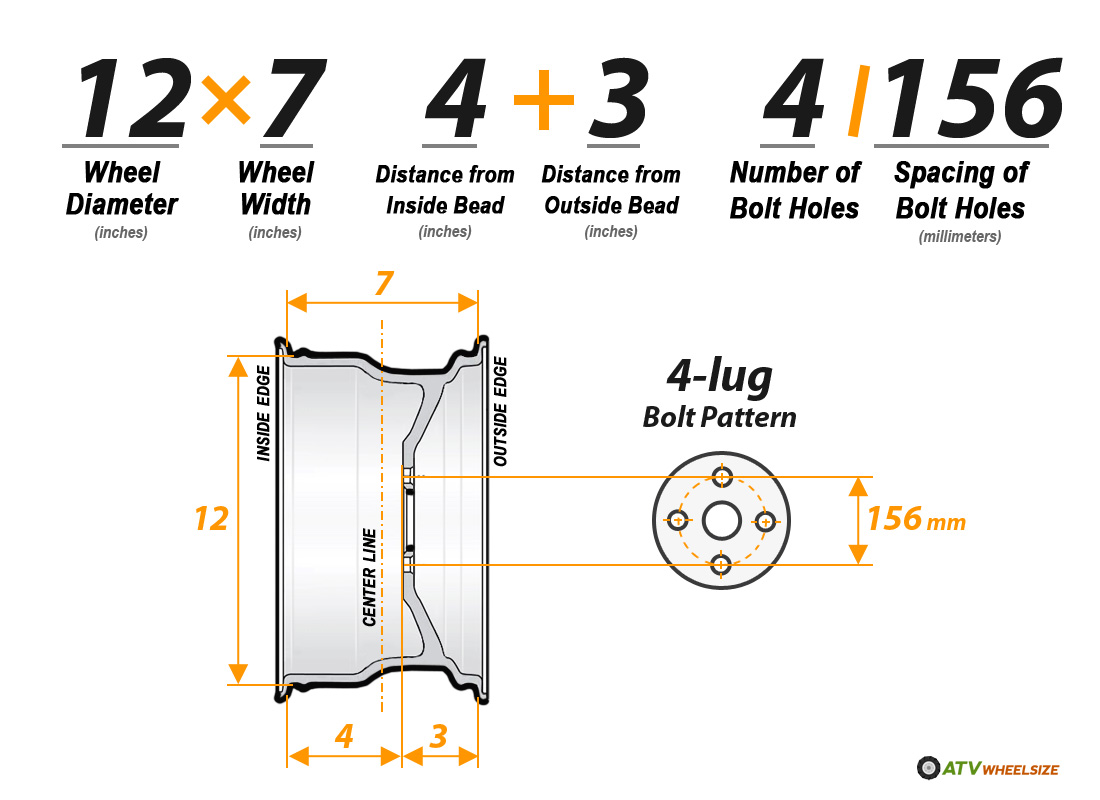
We talk to Plymouth Duster owners every day. These are the questions we hear most before they pull the trigger on new wheels.
Will 18X11 / 18X11-inch wheels fit my Plymouth Duster? Yes, but fitment depends on width, offset, and tire size working together. A wrong offset means rubbing. A wrong tire size means poor handling. Always verify all three.
Do I need to modify my fenders? That depends on your offset and suspension. A conservative offset with stock ride height usually fits without modification. Go aggressive and you may need to roll or pull your fenders.
Can I daily-drive this setup? Absolutely. Thousands of Plymouth Duster owners run 18X11 / 18X11-inch wheels every day. The key is choosing the right tire with enough sidewall to absorb road imperfections.