About This Nissan GT-R Base 1991 Build
We love featuring real builds from real owners. This Nissan GT-R Base 1991 sits on a set of 17×9.5 / 17×9.5-inch Enkei RPF1 wheels, and the result speaks for itself.
The owner chose Enkei for a reason. This brand delivers serious quality and a design language that turns heads at every car meet. We see hundreds of Nissan GT-R Base builds come through WheelFront every month, but this one stands out. The combination of the exterior with the Enkei RPF1 creates a look that balances aggression with elegance.

Fitment Breakdown: Enkei RPF1 on the Nissan GT-R Base 1991
I walked up to this R32 at the show and immediately knew the owner nailed the fitment. They chose 17x9.5 Enkei RPF1s all around with an 18 offset. This setup gives the GT-R an aggressive, track-ready stance that really highlights the boxy lines of the chassis.
The 9.5-inch width fills the wheel wells perfectly without looking cartoonish. By running a square 18 offset, the tires sit flush with the fenders. You get that meaty, purposeful look that every Skyline deserves.
Calipers on these older Nissans can be tricky, but the RPF1 clears them easily. The spoke design arcs outward just enough to keep the metal away from the brakes. You won't need spacers to clear the factory calipers here.
The hub bore fits the Nissan platform like a glove. I hate dealing with hub rings, so seeing a direct fit makes me smile. It keeps the steering feel sharp and vibration-free at high speeds.
The barrel depth on these 17s provides a nice aesthetic balance. It doesn't look too shallow, nor does it look like a deep-dish wheel that forces a compromised offset. It is the perfect middle ground for a performance build.

The coilovers drop the car just enough to tighten up that wheel gap. Because the offset is so dialed, the tires barely kiss the fender liners on big bumps. I suggest rolling your fenders slightly if you plan to track this hard.
Watch your inner clearance near the suspension struts. With a 9.5-inch width, you have very little room for error on the inside. This build stays safe by keeping the geometry tight and precise.
What We Recommend for Nissan GT-R Base 1991 Owners
If you want to replicate this, stay within the 17 to 18-inch range. 17s offer the best weight savings and tire availability for these older chassis. Avoid going bigger than 18, or the car will look like a roller skate.
The 18 offset is the magic number for the R32. It puts the wheel exactly where it belongs in the arch. Anything higher than 25 offset will look sunken and weak.
I always push for a square setup on these cars. It makes rotating your tires simple and keeps the handling predictable. Staggered setups often ruin the balance of the ATTESA system anyway.

Don't fall for the trap of running massive tires that require a hammer to your fenders. Stick to a 255 or 265 width tire to match the 9.5-inch wheel. You want grip, not a rubbing nightmare.
Invest in quality coilovers before you buy your wheels. You cannot achieve this look on stock suspension. The car needs that lower center of gravity to make the RPF1s truly pop.
Style and Build Analysis
The custom finish on these wheels completely changes the vibe of the Enkei design. Usually, these wheels look like basic race equipment in silver. This unique color choice makes the car look like a high-end show piece.
The dark hue plays beautifully against the factory paint of the GT-R. It provides a contrast that draws your eyes straight to the wheels. You can see the intricate spoke pattern even when the car sits still.
RPF1s have a timeless, utilitarian look that ages like fine wine. They never look dated because they focus on function. This build proves that simple design beats flashy, trend-chasing wheels every single time.

The proportions are spot on for a 90s icon. The car looks ready for a touge run or a Saturday morning coffee cruise. It captures the essence of the Japanese tuning scene perfectly.
I have seen hundreds of R32s, but this one sticks in my memory. The balance of the wheels, the drop, and the paint creates a cohesive machine. It is a masterclass in how to modify a legend without ruining it.
Why We Love This Build
When the sun hits those custom-finished RPF1s, the car glows. The wheels sit so perfectly in the arches that the whole stance feels aggressive and purposeful. It is the kind of build that makes you stop mid-sentence just to take another look.
I love how the owner kept the classic JDM spirit alive while adding their own flair. It feels authentic, fast, and incredibly clean. It reminds me why we fell in love with these Skylines in the first place.
This car is pure inspiration for anyone building an R32. Get your fitment right, keep your style sharp, and the results will speak for themselves. This GT-R is exactly how a proper build should look.

Full Specs Breakdown
Here is exactly what this owner is running. We break down every detail so you can replicate this build or use it as a starting point for your own setup.
- Car Make & Model: Nissan GT-R Base 1991
- Vehicle Color:
- Wheel Brand & Model: Enkei RPF1
- Wheel Size: 17×9.5 / 17×9.5
- Offset: 18 / 18
- Wheel Finish: Custom
- Tires: Bridgestone Potenza RE980AS 245/40 24.7″x9.6″ / 245/40 24.7″x9.6″
- Suspension: Coilovers
Before You Buy: Fitment Checklist
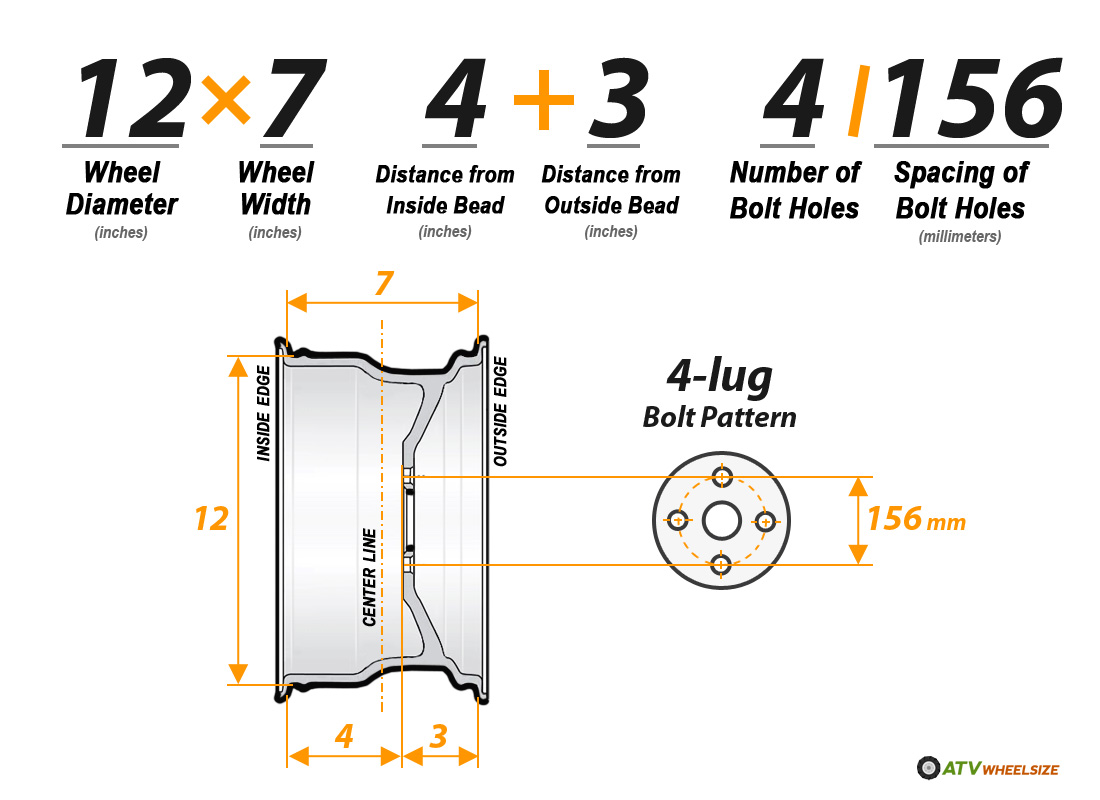
We talk to Nissan GT-R Base owners every day. These are the questions we hear most before they pull the trigger on new wheels.
Will 17×9.5 / 17×9.5-inch wheels fit my Nissan GT-R Base? Yes, but fitment depends on width, offset, and tire size working together. A wrong offset means rubbing. A wrong tire size means poor handling. Always verify all three.
Do I need to modify my fenders? That depends on your offset and suspension. A conservative offset with stock ride height usually fits without modification. Go aggressive and you may need to roll or pull your fenders.
Can I daily-drive this setup? Absolutely. Thousands of Nissan GT-R Base owners run 17×9.5 / 17×9.5-inch wheels every day. The key is choosing the right tire with enough sidewall to absorb road imperfections.