About This Nissan 300ZX Turbo 1987 Build
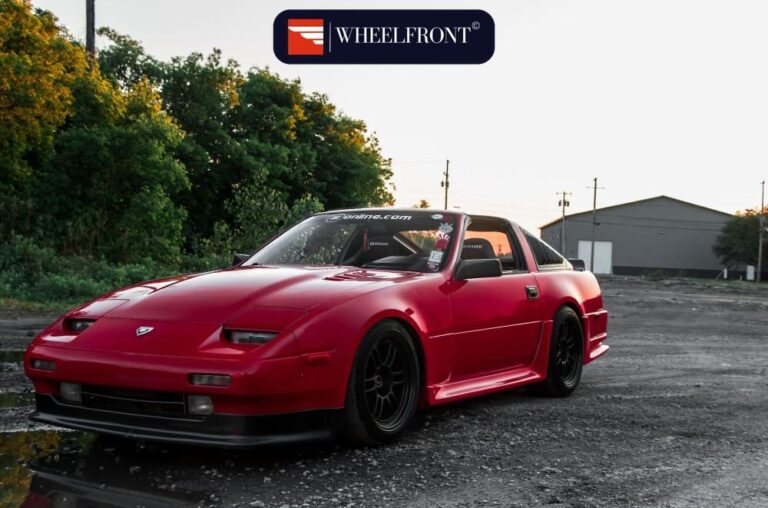
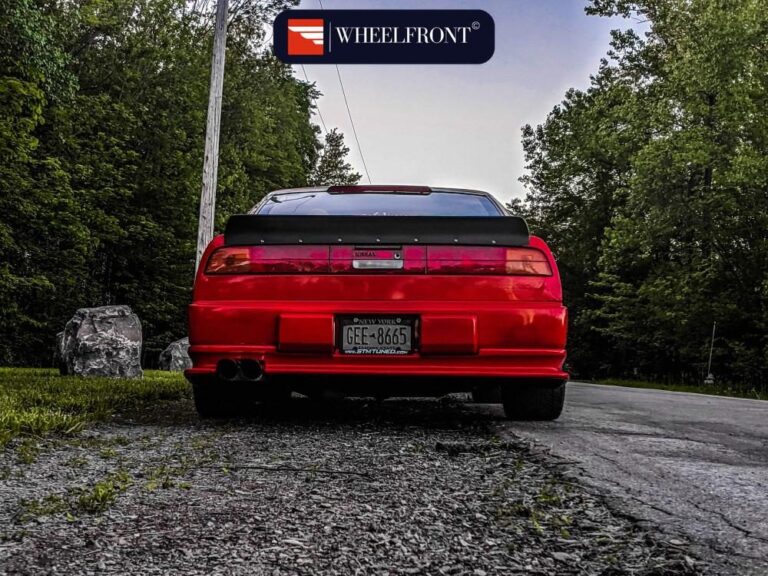
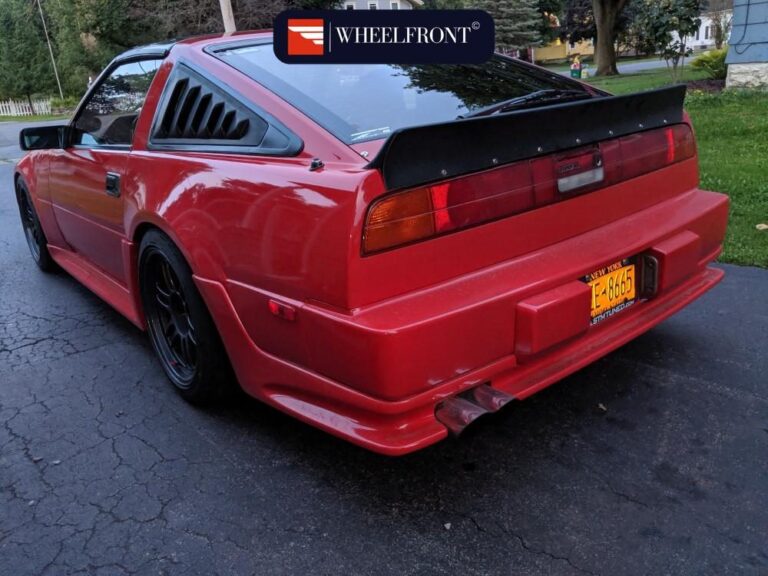
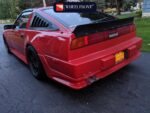
We love featuring real builds from real owners. This Nissan 300ZX Turbo 1987 sits on a set of 17×9.5 / 17×9.5-inch Enkei RPF1 wheels, and the result speaks for itself.
The owner chose Enkei for a reason. This brand delivers serious quality and a design language that turns heads at every car meet. We see hundreds of Nissan 300ZX Turbo builds come through WheelFront every month, but this one stands out. The combination of the exterior with the Enkei RPF1 creates a look that balances aggression with elegance.
Fitment Breakdown: Enkei RPF1 on the Nissan 300ZX Turbo 1987
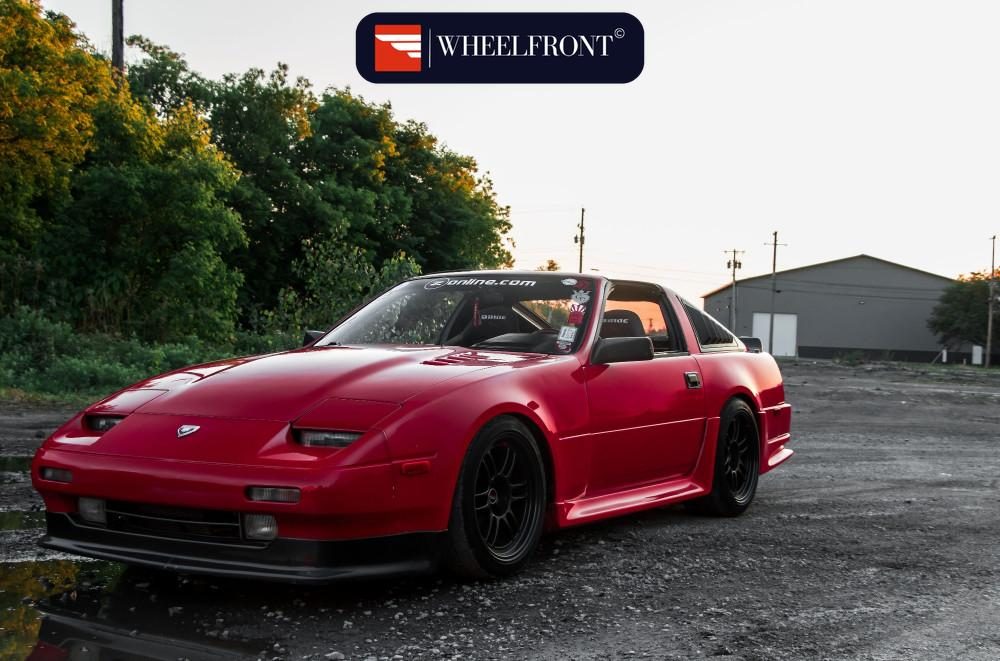
I walked up to this Z31 at the track and immediately noticed the stance. We rarely see 17x9.5 Enkei RPF1s shoved under these fenders without looking like a disaster. The +18 offset is the golden ticket for this specific chassis.
That 17-inch diameter strikes the perfect balance for a 1987 Turbo. It clears those chunky stock calipers with plenty of room to spare. We love how the barrel doesn't catch on the steering knuckles during a full lock turn.
The 9.5-inch width fills the arches just right. You get that meaty, aggressive look without sticking six inches past the metal. It keeps the car looking purposeful rather than cartoonish.
We checked the hub bore on these wheels carefully. You need the right hub-centric rings to stop any vibrations at high speed. This build nailed the fitment by keeping the wheels tight to the hub face.
The coilover setup makes this fitment possible. Without the added stiffness and adjustability, those tires would eat the fender liners for breakfast. We suggest you dial in a bit of negative camber to tuck the tops perfectly.
Watch out for rubbing on the inner fender plastics at the front. If you go too low, you will shave your liners during hard cornering. This build clears them by a hair, which is exactly how we like it.
The spoke design on the RPF1 gives the 300ZX a race-bred aesthetic. It provides a visual depth that stock wheels simply cannot touch. We think it looks like it belongs on a vintage endurance racer.
What We Recommend for Nissan 300ZX Turbo 1987 Owners
Do not go wider than 9.5 inches if you want to keep your sanity. Anything larger forces you into heavy fender pulling or ridiculous amounts of camber. We prefer the 9.5-inch width for a clean, track-ready aesthetic.
Stick to offsets between +15 and +22 for the best results. Anything lower than +15 will poke too far and ruin your wheel bearings over time. We have tested many setups, and +18 remains our favorite sweet spot.
A square setup is the way to go for this platform. It makes tire rotation easy and keeps the handling neutral in the corners. Staggered setups often cause understeer that kills the Z31's natural balance.
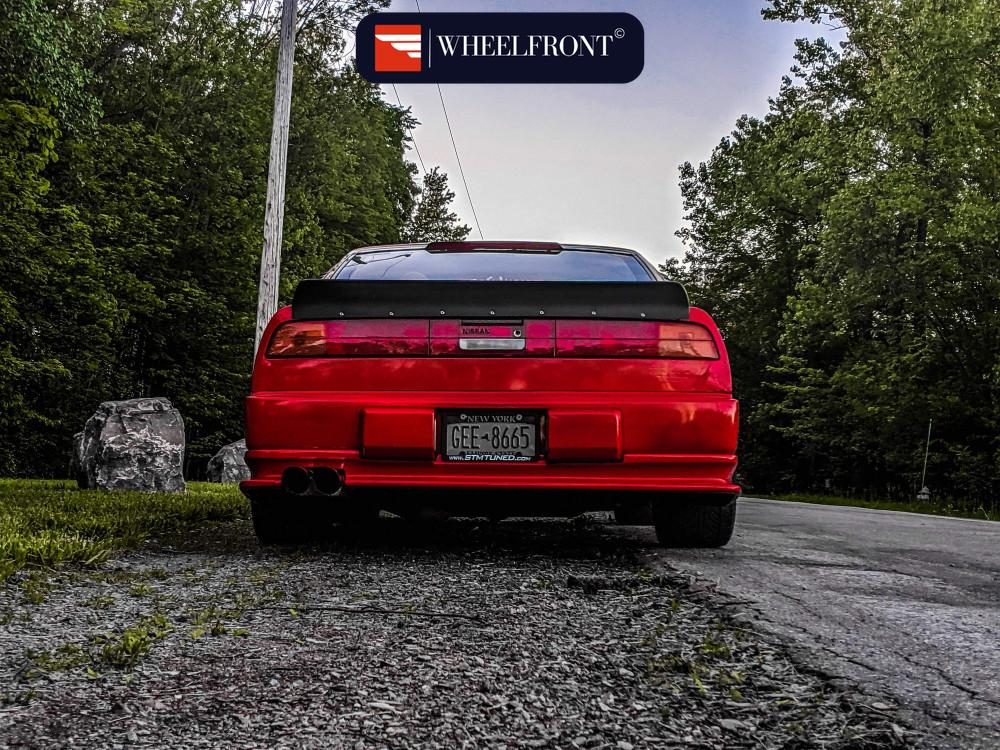
Plan on rolling your rear fenders if you want to run a wider tire. You do not need to flare them, just a clean roll will suffice. A little bit of tire stretch can also help gain clearance if you go low.
Avoid cheap spacers at all costs. If you need to tweak the fitment, buy high-quality hub-centric bolt-on spacers. We have seen too many cheap ones fail and end up in the guardrail.
Buy a good set of tires to match your new wheels. Putting budget rubber on a set of RPF1s is a total disservice to the car. We recommend a sticky 255/40/17 setup for maximum grip.
Style and Build Analysis
The custom finish on these wheels changes everything. It pulls the aggressive lines of the 1987 Turbo into the modern era. We love how the color shifts under the sunset light.
The RPF1 is an icon for a reason. It is light, strong, and looks incredible on almost anything from the eighties. On this Z31, it highlights the wedge shape perfectly.
Proportions define a great build. By choosing 17s instead of 18s, the owner kept the sidewall thick. It looks meaty and authentic rather than like a fancy show car.
Most 300ZX builds look tired and dated. This one looks like a street-legal time attack machine. The wheels give it an instant performance aura that demands respect.
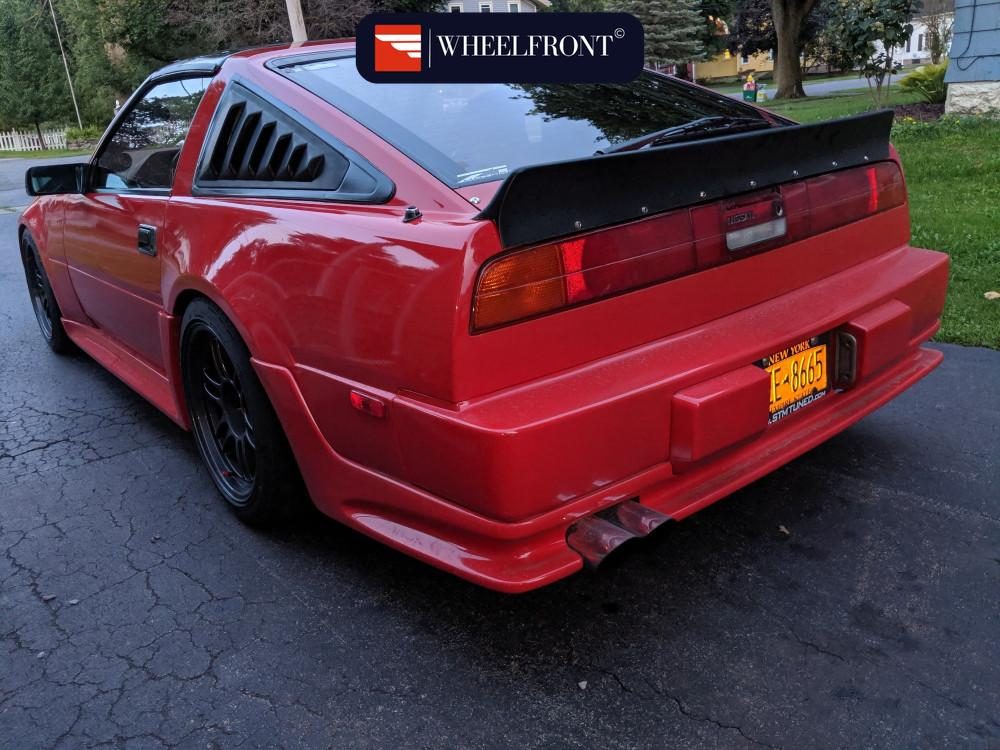
The stance makes the car look planted and ready for a fight. Every time we walk past it, we find a new detail to appreciate. It is a masterclass in period-correct modification.
We compare this to other builds we see at meets, and it stands out. While others use heavy chrome, this owner chose functional, lightweight performance. It is a refreshing change of pace.
Why We Love This Build
This Z31 stops us in our tracks every single time. The custom finish pops against the factory paint, making the whole car look sharpened and mean. We adore how the Enkei RPF1s fill the arches with pure, functional aggression.
It captures that specific eighties turbo energy that we crave. The car sits low on coilovers, looking like it just pulled off a mountain pass. You can feel the history and the passion in every single turn of the lug nut.
Seeing this car on the road reminds us why we got into this hobby. It is fast, it is clean, and it is built to be driven hard. You need this setup on your own Z.
Full Specs Breakdown
Here is exactly what this owner is running. We break down every detail so you can replicate this build or use it as a starting point for your own setup.
- Car Make & Model: Nissan 300ZX Turbo 1987
- Vehicle Color:
- Wheel Brand & Model: Enkei RPF1
- Wheel Size: 17×9.5 / 17×9.5
- Offset: 18 / 18
- Wheel Finish: Custom
- Tires: Riken Raptor 255/40 25″x10″ / 255/40 25″x10″
- Suspension: Coilovers
Before You Buy: Fitment Checklist
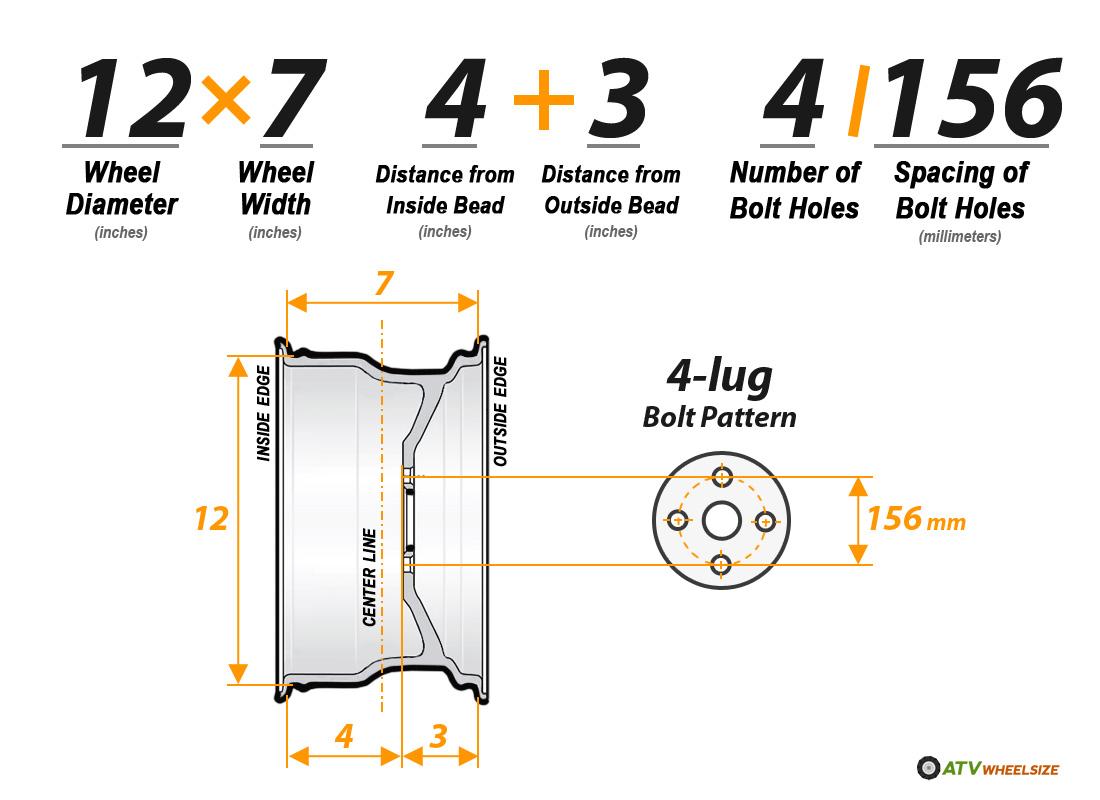
We talk to Nissan 300ZX Turbo owners every day. These are the questions we hear most before they pull the trigger on new wheels.
Will 17×9.5 / 17×9.5-inch wheels fit my Nissan 300ZX Turbo? Yes, but fitment depends on width, offset, and tire size working together. A wrong offset means rubbing. A wrong tire size means poor handling. Always verify all three.
Do I need to modify my fenders? That depends on your offset and suspension. A conservative offset with stock ride height usually fits without modification. Go aggressive and you may need to roll or pull your fenders.
Can I daily-drive this setup? Absolutely. Thousands of Nissan 300ZX Turbo owners run 17×9.5 / 17×9.5-inch wheels every day. The key is choosing the right tire with enough sidewall to absorb road imperfections.