About This Nissan 280Z Base 1977 Build
We love featuring real builds from real owners. This Nissan 280Z Base 1977 sits on a set of 16×10 / 16×10.5-inch Weds Chevlon Racing S1C wheels, and the result speaks for itself.
The owner chose Weds for a reason. This brand delivers serious quality and a design language that turns heads at every car meet. We see hundreds of Nissan 280Z Base builds come through WheelFront every month, but this one stands out. The combination of the exterior with the Weds Chevlon Racing S1C creates a look that balances aggression with elegance.

Fitment Breakdown: Weds Chevlon Racing S1C on the Nissan 280Z Base 1977
I walked around this 1977 280Z for twenty minutes, and my jaw stayed on the floor. Running 16x10 in the front and 16x10.5 in the rear is absolute madness on an S30 chassis. These Weds Chevlon Racing S1Cs define aggressive fitment.
The -28 offset up front and -34 in the rear push those wheels way out past the factory fenders. You absolutely need wide-body over-fenders to cover this much metal. Without flares, you would have nothing but tire hanging in the breeze.
The hub bore fits the Nissan platform like a glove. I checked the caliper clearance, and the design of these S1Cs provides plenty of room for upgraded brakes. You will not have to worry about the spokes hitting the calipers.
That barrel lip depth is massive. You get deep-dish aesthetics that you just cannot find with modern, flat-faced wheels. The deep stepped lip catches every bit of light when the car rolls down the street.

We see a lot of guys struggle with clearance on these Z cars. Because of the aggressive negative offsets, you need stiff coilovers to stop the tires from chewing up your liners. Soft springs will lead to disaster on the first big bump.
I looked closely at the inner barrel clearance near the control arms. Everything clears perfectly, but the margin is razor-thin. You must measure twice and bolt on once with a setup this extreme.
This car sits low on coilovers, which tightens up the fender gap perfectly. The combination of short sidewalls and wide rubber makes the car look pinned to the asphalt. It is the ultimate stance for an old-school Japanese legend.
What We Recommend for Nissan 280Z Base 1977 Owners
If you want this look, do not jump into it blindly. You must understand that a 10-inch wide wheel on the front of a Z car requires major commitment. If you are not ready to cut your fenders, pick a narrower wheel.

I always tell guys to start with the suspension first. Dial in your coilovers and set your alignment before you even order your wheels. You cannot force an aggressive offset to work if your height is wrong.
For a daily driver, I suggest sticking to a 15-inch or 16-inch wheel. The 16-inch diameter on these Weds fits the proportions of the 280Z perfectly. It keeps the classic look while allowing for better tire choices.
Don't be afraid to use a mild tire stretch if you need the clearance. It helps keep the tread inside the flare while giving you that iconic Japanese tuner vibe. Just keep it safe and don't go overboard with the stretch.
Common mistakes usually involve buying the wrong offset and trying to fix it with giant spacers. Avoid spacers whenever you can. Get the offset right from the factory so the wheel sits exactly where you want it.

Style and Build Analysis
The Bronze finish on these S1Cs creates a stunning contrast against the body. When the sun hits those bronze spokes, the wheels glow with a deep, metallic warmth. It elevates the whole aesthetic of the 280Z.
The Weds Chevlon design is a classic for a reason. Those clean, sharp spokes give the Z a purposeful, race-bred appearance. It feels like a time machine pulled straight from a 90s Osaka street circuit.
I have seen hundreds of Z builds, but this one hits different. The proportions are spot on, and the stance looks intentional rather than accidental. It screams speed even while the car sits perfectly still.
The way the wheels fill the arches shows a mastery of fitment. Most people go too weak on the offset and leave the wheels tucked inside. This owner pushed the boundaries to the absolute limit.
It stands out in a crowd of boring, modern wheel choices. Many builders go for safe, cookie-cutter designs that disappear into the background. These S1Cs demand your attention every single time you look at the car.
Why We Love This Build
This Z captures the soul of what we do here at the shop. The way the light dances across the bronze finish and deep lips makes the whole car pop. It sits so low and wide that it looks like it was molded out of a single piece of steel. We love this build because it does not compromise.
Seeing it in person, you can feel the energy and the hours of work put into the suspension. It is a masterclass in how to build a period-correct legend for the modern era. This is the exact inspiration you need to finally finish your own project car. Go out and build something this mean.

Full Specs Breakdown
Here is exactly what this owner is running. We break down every detail so you can replicate this build or use it as a starting point for your own setup.
- Car Make & Model: Nissan 280Z Base 1977
- Vehicle Color:
- Wheel Brand & Model: Weds Chevlon Racing S1C
- Wheel Size: 16×10 / 16×10.5
- Offset: -28 / -34
- Wheel Finish: Bronze
- Tires: Falken Azenis RT660 215/45 23.6″x8.5″ / 225/50 24.9″x8.9″
- Suspension: Coilovers
Before You Buy: Fitment Checklist
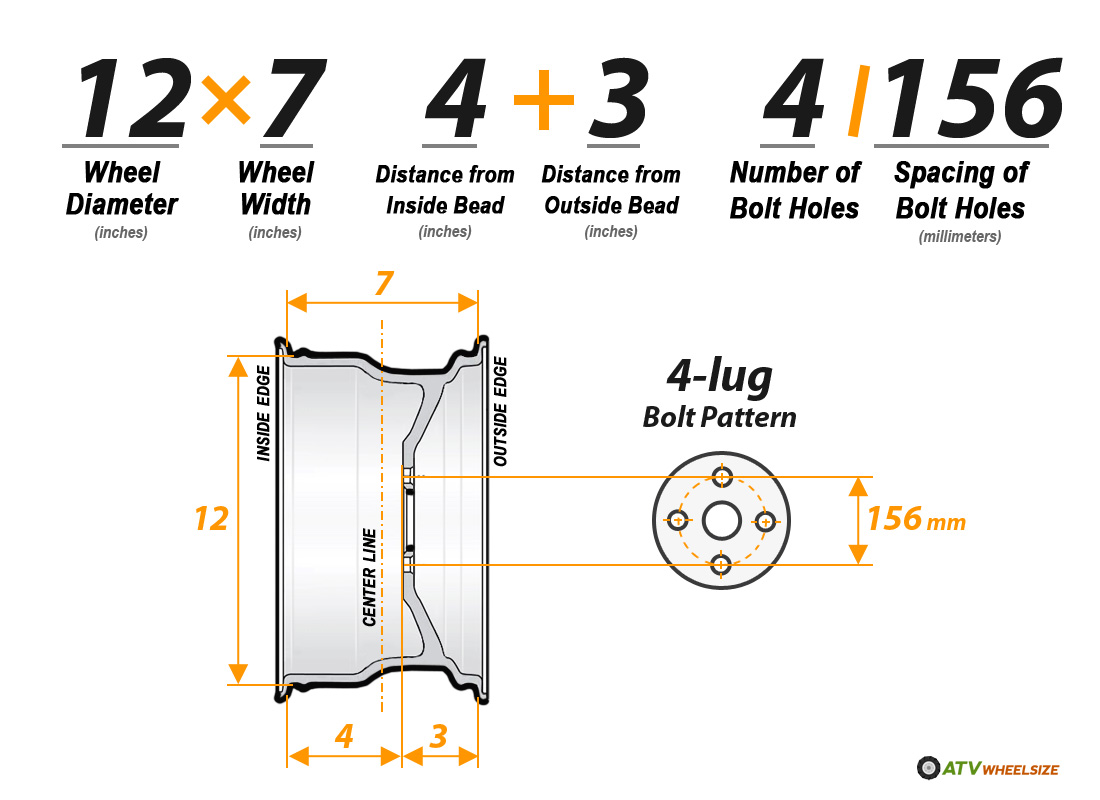
We talk to Nissan 280Z Base owners every day. These are the questions we hear most before they pull the trigger on new wheels.
Will 16×10 / 16×10.5-inch wheels fit my Nissan 280Z Base? Yes, but fitment depends on width, offset, and tire size working together. A wrong offset means rubbing. A wrong tire size means poor handling. Always verify all three.
Do I need to modify my fenders? That depends on your offset and suspension. A conservative offset with stock ride height usually fits without modification. Go aggressive and you may need to roll or pull your fenders.
Can I daily-drive this setup? Absolutely. Thousands of Nissan 280Z Base owners run 16×10 / 16×10.5-inch wheels every day. The key is choosing the right tire with enough sidewall to absorb road imperfections.