About This Mini Cooper S 2010 Build
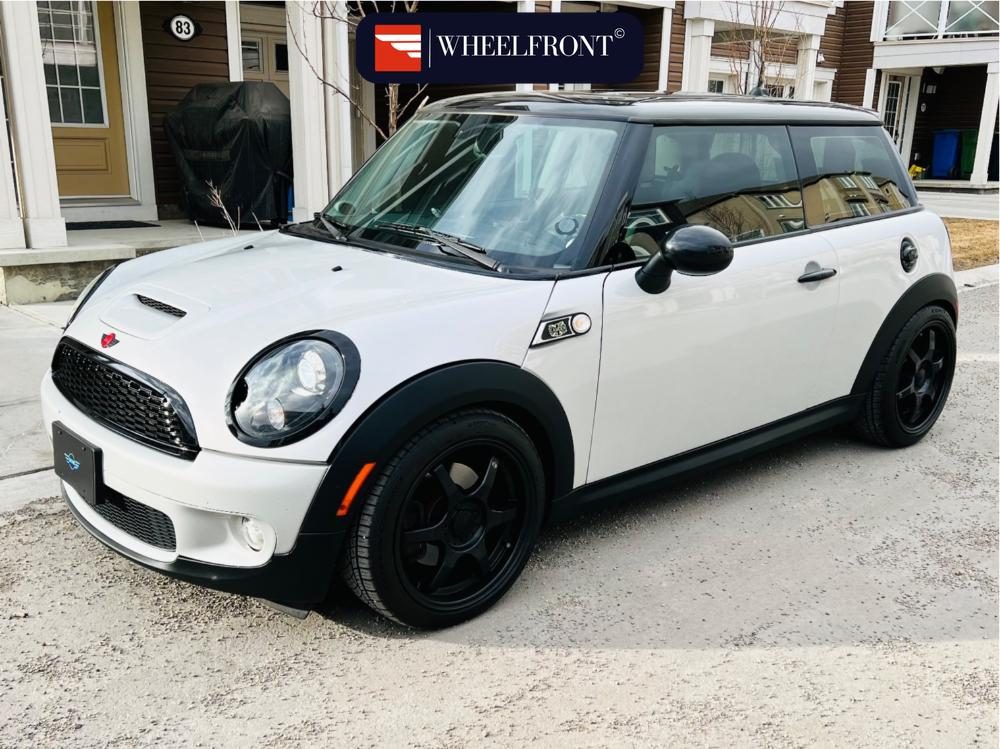
We love featuring real builds from real owners. This Mini Cooper S 2010 sits on a set of 17×7.5 / 17×7.5-inch Konig Backbone wheels, and the result speaks for itself.
The owner chose Konig for a reason. This brand delivers serious quality and a design language that turns heads at every car meet. We see hundreds of Mini Cooper S builds come through WheelFront every month, but this one stands out. The combination of the exterior with the Konig Backbone creates a look that balances aggression with elegance.
Fitment Breakdown: Konig Backbone on the Mini Cooper S 2010
I walked up to this R56 Mini the other day and knew right away it was dialed. The Konig Backbone in a 17x7.5 spec is a perfect match for this chassis. We see a lot of guys go too wide, but this width hits the sweet spot for the Mini.
The +45 offset sits right flush with the fender lines without looking like a rollerskate. You get that clean, tucked look without sacrificing the geometry of the suspension. It keeps the scrub radius feeling sharp and responsive in the corners.
Caliper clearance on the Cooper S can be a nightmare with some aftermarket wheels. These Backbones clear the stock brakes with plenty of room to breathe. I did not see any need for spacers to clear the hub or the calipers.
The hub bore fits perfectly on the Mini platform. You do not need those flimsy rings that always seem to rattle after a few track days. It feels solid and planted against the mounting surface.
Since this car runs coilovers, the stance looks mean. You get just enough compression to eliminate that nasty factory wheel gap. We checked the inner clearance, and the setup stays clear of the strut housings even under heavy load.
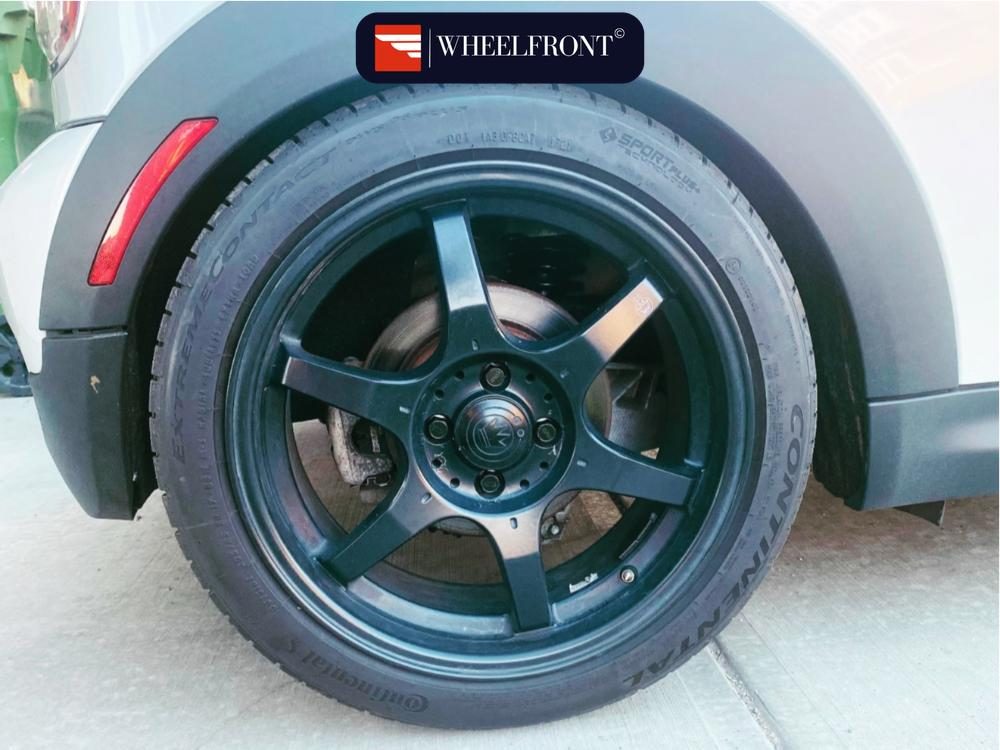
The spoke design on the Backbone really draws your eye outward. It makes the 17-inch wheel look a bit larger than it actually is. That visual trick helps fill the wheel well properly.
Watch out for rubbing if you drop the coilovers too low on the front. I checked the liners and saw no signs of scuffing during aggressive turns. It is a tight fit, but it works exactly how we like it.
What We Recommend for Mini Cooper S 2010 Owners
If you own an R56, stick to a 17-inch wheel. Going to 18 inches often ruins the ride quality on these short-wheelbase cars. We think 17s offer the best balance of looks and real-world performance.
The +45 offset is our gold standard for a square setup. You want that poke-free look that stays legal and keeps your paint free from rock chips. Stick to a 7.5-inch width to avoid rubbing the inner plastic liners.
Never bother with a staggered setup on a Mini. These are front-wheel-drive cars that thrive on balance. A square setup allows you to rotate your tires, which saves you a fortune in the long run.
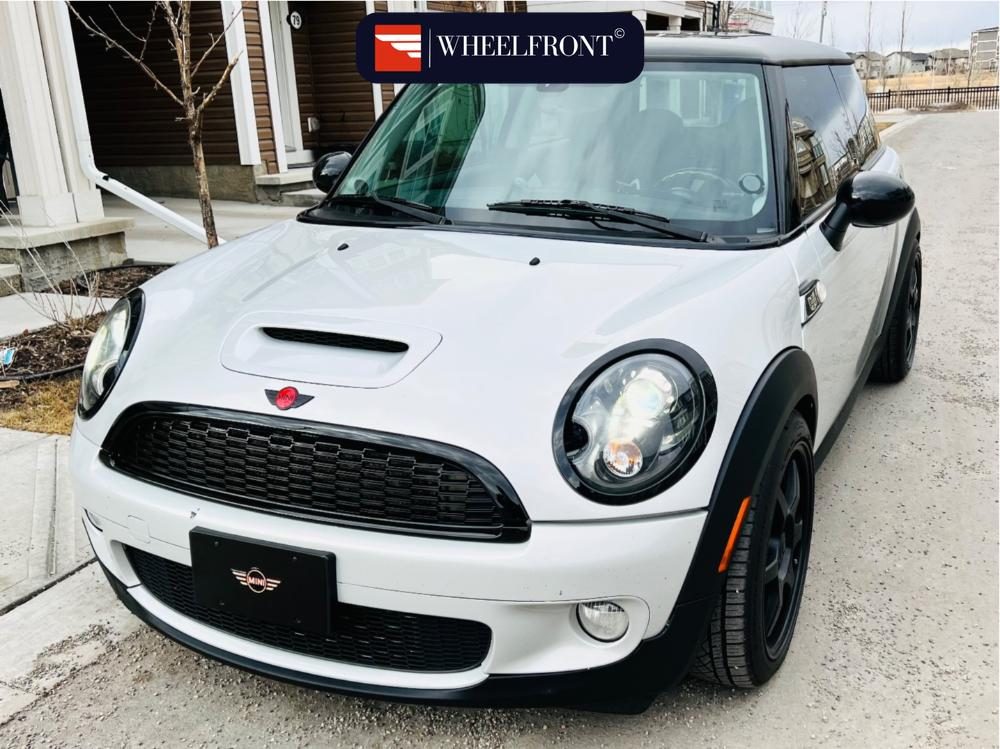
Keep your tire stretch to a absolute minimum. A square sidewall protects the lip from potholes and curb rash. We prefer a 215/45/17 tire to keep the speedometer accurate and the handling predictable.
Avoid cheap spacers if you can help it. If your wheel choice requires a spacer to clear, you probably picked the wrong offset. Do it right the first time so you can drive hard without worrying about vibrations.
Style and Build Analysis
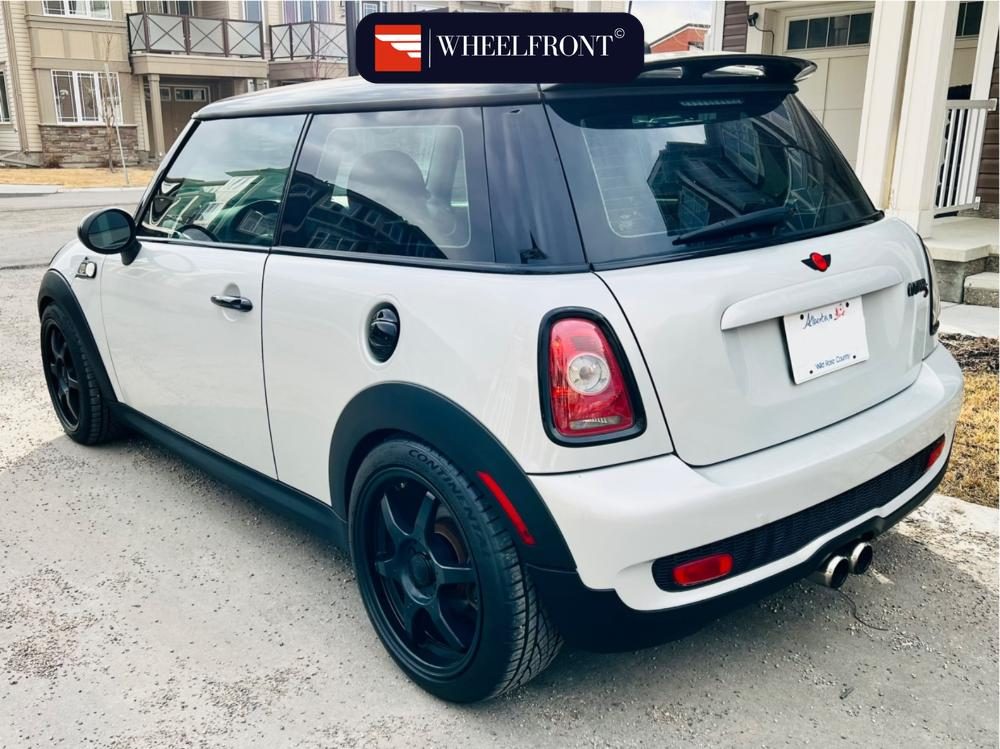
The black finish on these wheels gives the Mini a sinister, purposeful vibe. It pairs perfectly with the dark trim pieces found on the Cooper S. I love how the black hides brake dust during daily driving.
The Backbone design is classic but not boring. It features a multi-spoke layout that looks like it belongs on a rally stage. It matches the aggressive personality of the turbocharged engine perfectly.
When the car sits on coilovers, the proportions change completely. The wheels tuck just behind the fender arch, creating a unified silhouette. It looks like a car that is ready to hunt down apexes on a back road.
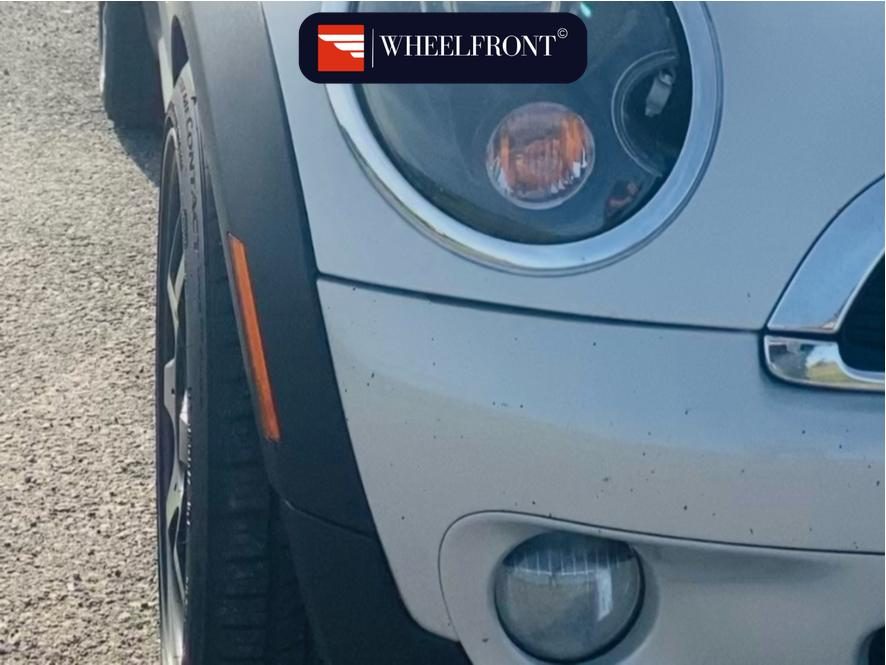
Compared to the other builds we feature, this one stands out for its restraint. Many people try to overdo it with neon colors or crazy widths. This owner chose a clean, professional aesthetic that will never go out of style.
The road presence is undeniable even when the car is parked. You catch the light hitting those spokes and the car just pops. It makes the factory styling look ten years younger.
Why We Love This Build
This Mini captures the essence of what we love about car culture. It is not about throwing money at every shiny part, but selecting the right pieces to create a cohesive machine. The black Konig Backbone wheels ground the car and give it a serious, track-ready stance that demands attention.
When you see this car rolling down the street, it looks like a predator. The light dances across the black finish, highlighting the clean lines of the R56 body. It is a reminder that simple, thoughtful upgrades are often the most effective ones.
We see a lot of cars, but this one stops us in our tracks. It is the perfect daily driver setup that still looks killer at every local meet. This Mini is absolutely perfect.
Full Specs Breakdown
Here is exactly what this owner is running. We break down every detail so you can replicate this build or use it as a starting point for your own setup.
- Car Make & Model: Mini Cooper S 2010
- Vehicle Color:
- Wheel Brand & Model: Konig Backbone
- Wheel Size: 17×7.5 / 17×7.5
- Offset: 45 / 45
- Wheel Finish: Black
- Tires: Continental Extremecontact DWS06 Plus 205/45 24.3″x8.1″ / 205/45 24.3″x8.1″
- Suspension: Coilovers
Before You Buy: Fitment Checklist
We talk to Mini Cooper S owners every day. These are the questions we hear most before they pull the trigger on new wheels.
Will 17×7.5 / 17×7.5-inch wheels fit my Mini Cooper S? Yes, but fitment depends on width, offset, and tire size working together. A wrong offset means rubbing. A wrong tire size means poor handling. Always verify all three.
Do I need to modify my fenders? That depends on your offset and suspension. A conservative offset with stock ride height usually fits without modification. Go aggressive and you may need to roll or pull your fenders.
Can I daily-drive this setup? Absolutely. Thousands of Mini Cooper S owners run 17×7.5 / 17×7.5-inch wheels every day. The key is choosing the right tire with enough sidewall to absorb road imperfections.