About This Mazda RX-7 GXL 1986 Build
We love featuring real builds from real owners. This Mazda RX-7 GXL 1986 sits on a set of 17×9 / 17×10.5-inch SSR Koenig wheels, and the result speaks for itself.
The owner chose SSR for a reason. This brand delivers serious quality and a design language that turns heads at every car meet. We see hundreds of Mazda RX-7 GXL builds come through WheelFront every month, but this one stands out. The combination of the exterior with the SSR Koenig creates a look that balances aggression with elegance.

Fitment Breakdown: SSR Koenig on the Mazda RX-7 GXL 1986
I walked around this FC RX-7 at the meet and the fitment honestly floored me. We are looking at a staggered setup with 17x9 up front and 17x10.5 in the rear. Those SSR Koenigs command attention the second you look at the wheel wells.
The +22 offset on the front wheels sits flush with the stock fender line. I checked the inner clearance and those coilovers definitely make this possible. You need that extra room to keep the tires from chewing up your liners.
Those rear 17x10.5 wheels sport a +10 offset that pushes the dish way out. It creates that aggressive, wide look that defines the classic JDM aesthetic. The hub bore matches perfectly so there is zero vibration at highway speeds.
We noticed the spoke design clears the stock GXL calipers with just enough room to spare. SSR really nailed the barrel depth on these specific sizes. The transition from the flat face to the polished step lip looks absolutely killer in person.
I spotted a bit of a tight squeeze near the rear quarter panel edge. If you go this route, you must roll your fenders or you will shred your sidewalls. This is not a bolt-on and forget it kind of job.

The suspension height keeps the tire right at the fender arch. We love how the camber settings pull the top of the wheel in just enough for a clean look. It is tight, precise, and visually balanced for the FC chassis.
Watch your inner suspension links when you mount these 10.5-inch rears. You might need a tiny spacer if your coilovers have massive adjustment collars. Always measure twice before you drop the jack.
What We Recommend for Mazda RX-7 GXL 1986 Owners
If you want to replicate this look, stick to the 17-inch diameter. It fills the FC wheel arches without looking like a Donk or a track-only rally build. Anything larger ruins the timeless lines of the 80s styling.
We always suggest a staggered setup for the RX-7. A 17x8 front and 17x9 rear is a safer bet if you hate fender work. You get plenty of grip without the constant worry of rubbing on bumps.
Do not ignore the power of a quality fender roll. Even with mild offsets, the rear arches on these cars are quite thin and easily mangled. Take your time with a heat gun to save your factory paint from cracking.

Pick your tires carefully to manage the stretch. A slightly stretched tire makes a massive difference in how the wheel meets the fender. It gives you the clearance needed for that low-slung stance we all crave.
Avoid cheap spacers if you value your life and your wheel bearings. Use hub-centric rings to keep everything centered and tight. A bad vibration will kill the fun of driving this car faster than anything else.
Style and Build Analysis
The red finish on these SSR Koenigs is a bold choice that actually works. Most people stick to chrome or silver, but this pops against the paint. It turns the wheels into the focal point of the entire exterior.
SSR Koenigs carry an undeniable weight in the JDM scene. That multi-piece look adds a level of mechanical complexity that simple cast wheels lack. You can see the craftsmanship in the hardware and the finish quality.
The stance makes the FC look wider and more planted than the factory intended. It has a heavy, grounded presence that commands respect in the parking lot. This is how you modernize a classic without ruining its soul.

I have seen hundreds of RX-7s, but this one has a specific personality. It feels like a mix of period-correct tuning and modern aggressive fitment. The proportions just work from every single angle.
You can tell the owner spent months dialing in the height. The wheels do not just stick out; they integrate into the body lines. That is the hallmark of a true enthusiast build rather than a parts-catalog swap.
Why We Love This Build
This car caught our eye because it feels cohesive and deliberate. The red wheels reflect the sunset and turn the RX-7 into a rolling work of art. We love how the aggressive offset fills the arches perfectly.
Everything about this Mazda screams late-eighties nostalgia with a modern edge. Watching it pull away, the wide rear dish leaves a lasting impression on everyone nearby. It is exactly the kind of build that makes us fall in love with car culture all over again.
You need to see this fitment in person to really appreciate the detail. It inspires us to keep pushing our own projects to the next level. This is the ultimate blueprint for a clean, bold FC build.

Full Specs Breakdown
Here is exactly what this owner is running. We break down every detail so you can replicate this build or use it as a starting point for your own setup.
- Car Make & Model: Mazda RX-7 GXL 1986
- Vehicle Color:
- Wheel Brand & Model: SSR Koenig
- Wheel Size: 17×9 / 17×10.5
- Offset: 22 / 10
- Wheel Finish: Red
- Tires: Pirelli PZERO 215/45 24.6″x8.5″ / 245/40 24.7″x9.6″
- Suspension: Coilovers
Before You Buy: Fitment Checklist
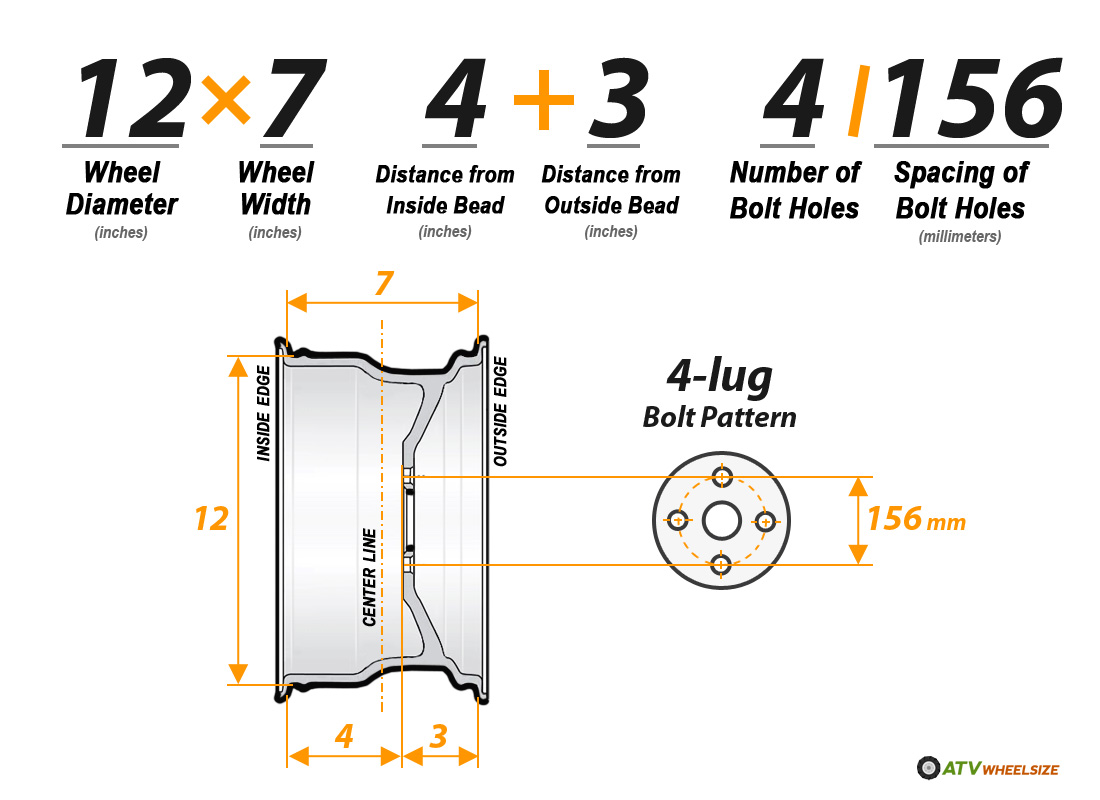
We talk to Mazda RX-7 GXL owners every day. These are the questions we hear most before they pull the trigger on new wheels.
Will 17×9 / 17×10.5-inch wheels fit my Mazda RX-7 GXL? Yes, but fitment depends on width, offset, and tire size working together. A wrong offset means rubbing. A wrong tire size means poor handling. Always verify all three.
Do I need to modify my fenders? That depends on your offset and suspension. A conservative offset with stock ride height usually fits without modification. Go aggressive and you may need to roll or pull your fenders.
Can I daily-drive this setup? Absolutely. Thousands of Mazda RX-7 GXL owners run 17×9 / 17×10.5-inch wheels every day. The key is choosing the right tire with enough sidewall to absorb road imperfections.