About This Mazda Miata Base 1997 Build
We love featuring real builds from real owners. This Mazda Miata Base 1997 sits on a set of 15×7 / 15×7-inch Enkei RPF1 wheels, and the result speaks for itself.
The owner chose Enkei for a reason. This brand delivers serious quality and a design language that turns heads at every car meet. We see hundreds of Mazda Miata Base builds come through WheelFront every month, but this one stands out. The combination of the exterior with the Enkei RPF1 creates a look that balances aggression with elegance.

Fitment Breakdown: Enkei RPF1 on the Mazda Miata Base 1997
I walked around this 1997 Miata for ten minutes straight at the show. The 15x7 Enkei RPF1 setup is the absolute gold standard for the NA chassis. A 35mm offset sits perfectly flush with these factory fenders.
You get zero poke with these specs. The wheels tuck just enough to look aggressive without needing a hammer for your fenders. It is a clean, factory-plus look that still means business.
Caliper clearance is never an issue with these barrels. Enkei designed this spoke face to clear standard brakes with plenty of room to spare. You will not find any interference here.
The hub bore on these wheels matches the Miata perfectly. You do not need annoying hub-centric rings to stop vibrations at highway speeds. It is a direct bolt-on experience that just works.
The barrel lip depth is subtle but adds a nice sense of dimension. These spokes curve inward just enough to catch the light. It gives the car a much wider visual footprint than the stock daisy wheels.
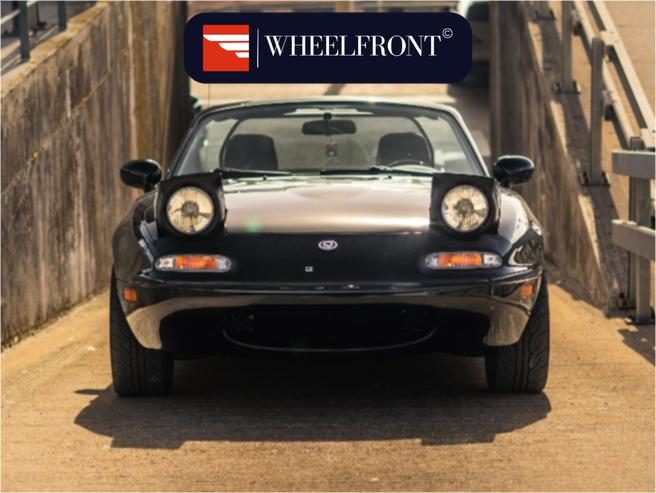
Since this owner runs coilovers, the fender gap is non-existent. The tires sit right at the edge of the metal. It looks tight, purposeful, and ready for a canyon run.
Watch your inner clearance if you decide to drop the car lower. You might get a slight rub on the plastic fender liners if you hit a big bump. Keep your ride height sane and you will stay rub-free.
What We Recommend for Mazda Miata Base 1997 Owners
Stick to a square 15-inch setup for the best handling. The NA Miata chassis hates staggered wheels and heavy rolling mass. Keep all four corners identical for easy tire rotations.
A 15x7 with a 35mm offset is the sweet spot for a daily driver. You get maximum tire width without compromising the steering geometry. Do not go wider unless you plan on massive fender work.
Ignore the temptation to run massive spacers. Spacers ruin your scrub radius and put unnecessary stress on your wheel bearings. If the wheel does not fit without them, you picked the wrong offset.

If you want a beefy look, go for a 205/50R15 tire. It fills the wheel well nicely and provides a square shoulder for cornering grip. Avoid tire stretch; it ruins the ride quality on these light cars.
Rolling your fenders is optional with this specific fitment. I highly recommend it anyway if you plan to track the car. It gives you that extra insurance against rubbing during hard cornering.
Avoid cheap knock-off wheels that copy this design. The RPF1 is light, strong, and proven in real racing conditions. Stick with the Enkei brand to keep your unsprung weight as low as possible.
Style and Build Analysis
The silver finish on these RPF1s is timeless. It pops against the paint like nothing else. It feels like a throwback to the golden era of Japanese sports car tuning.
Silver wheels never go out of style. They look clean even when the car gets covered in brake dust. It is the most honest color choice for a track-focused roadster.

The proportions are spot on for the NA chassis. The small diameter keeps the car looking nimble and light. Massive wheels look like cartoon shoes on these small cars, but this 15-inch setup fits perfectly.
When you park this car, it looks ready to attack a hairpin. The RPF1 design is functional art that never feels dated. Every spoke serves a purpose in keeping weight away from the road.
Compared to other builds I see, this one stays true to the spirit of the car. Many guys over-build their Miatas with huge wings and weird offsets. This car proves that simplicity is the ultimate sophistication.
The road presence is understated but undeniably cool. Enthusiasts know exactly what these wheels are the second they walk by. It commands respect without screaming for attention with loud colors.
Why We Love This Build
I cannot stop looking at how the sunlight catches the silver finish on these spokes. The car sits low, tight, and focused, making the stock body lines look sharper than the day it left the factory. It captures the essence of what a Miata should be: light, nimble, and built for the driver.
This build proves that you do not need a crazy budget to win at the car meet. The RPF1 wheels fill the arches exactly how Mazda intended for a performance machine. Every time I see this car, I want to jump in and drive it through the nearest mountain pass.
Build your Miata like this and you will never regret it. It is the perfect balance of form and function. Get the RPF1s and go drive.

Full Specs Breakdown
Here is exactly what this owner is running. We break down every detail so you can replicate this build or use it as a starting point for your own setup.
- Car Make & Model: Mazda Miata Base 1997
- Vehicle Color:
- Wheel Brand & Model: Enkei RPF1
- Wheel Size: 15×7 / 15×7
- Offset: 35 / 35
- Wheel Finish: Silver
- Tires: Yokohama ADVAN Neova AD08R 195/50 22.7″x7.7″ / 195/50 22.7″x7.7″
- Suspension: Coilovers
Before You Buy: Fitment Checklist
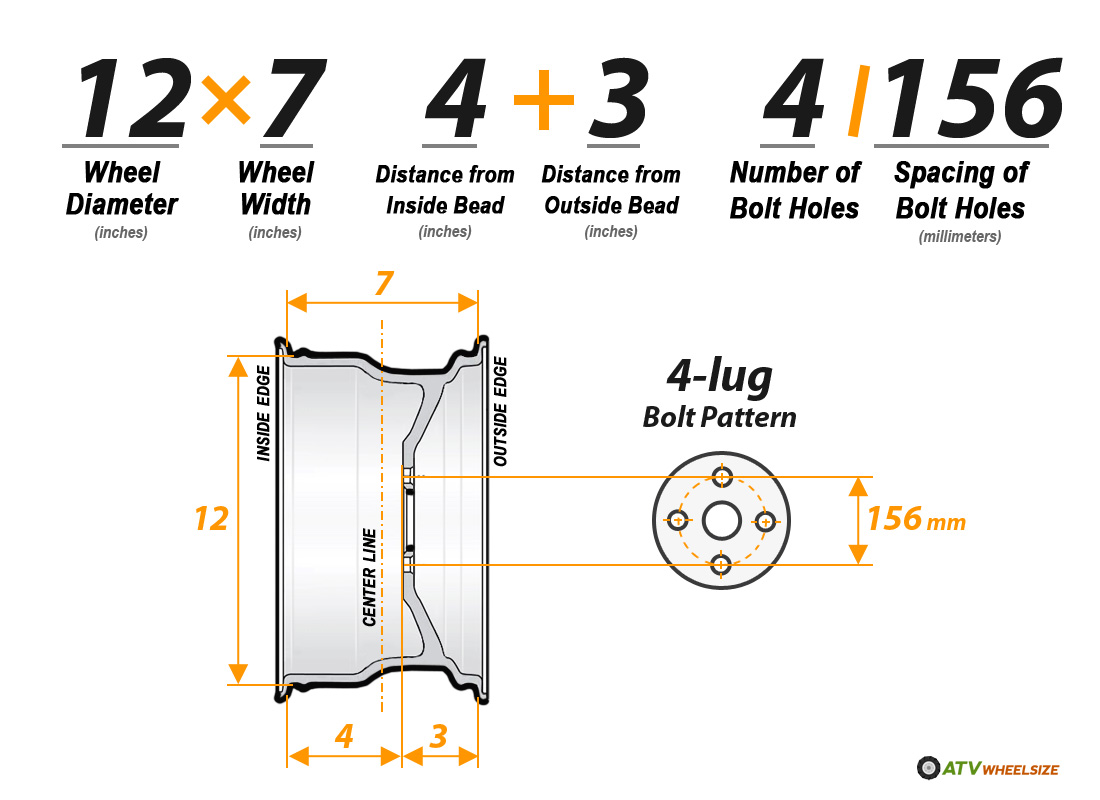
We talk to Mazda Miata Base owners every day. These are the questions we hear most before they pull the trigger on new wheels.
Will 15×7 / 15×7-inch wheels fit my Mazda Miata Base? Yes, but fitment depends on width, offset, and tire size working together. A wrong offset means rubbing. A wrong tire size means poor handling. Always verify all three.
Do I need to modify my fenders? That depends on your offset and suspension. A conservative offset with stock ride height usually fits without modification. Go aggressive and you may need to roll or pull your fenders.
Can I daily-drive this setup? Absolutely. Thousands of Mazda Miata Base owners run 15×7 / 15×7-inch wheels every day. The key is choosing the right tire with enough sidewall to absorb road imperfections.