About This Mazda Miata Base 1990 Build
We love featuring real builds from real owners. This Mazda Miata Base 1990 sits on a set of 15×8 / 15×8-inch Konig Countergram wheels, and the result speaks for itself.
The owner chose Konig for a reason. This brand delivers serious quality and a design language that turns heads at every car meet. We see hundreds of Mazda Miata Base builds come through WheelFront every month, but this one stands out. The combination of the exterior with the Konig Countergram creates a look that balances aggression with elegance.

Fitment Breakdown: Konig Countergram on the Mazda Miata Base 1990
I walked up to this NA Miata at the show and immediately knew the setup was spot on. That 15x8 inch Konig Countergram is the gold standard for the first-gen chassis. It sits perfectly flush without looking like a ridiculous drift car.
The +25 offset is exactly where you want to be on an NA. It pushes the wheel out just enough to kill that sunken stock look. You get a nice wide track without fighting the fenders too hard.
We checked the clearance on the stock calipers and everything clears with room to spare. Konig designed these spokes with plenty of room for heat dissipation and bigger brake kits. You will not have any annoying rubbing issues against the back of the hub.
The barrel lip depth gives the wheel a aggressive, multi-piece aesthetic despite being a flow-formed mono-block. It adds a bit of visual weight to the bottom of the car. It makes the tiny Miata look planted and ready to attack a corner.
Because the car runs on coilovers, the fitment is crisp and tight. We noticed the owner dialed in just enough negative camber to tuck the tires under the factory arches. It is a clean look that keeps the car functional for canyon runs.
Watch out for the front inner liners if you plan on going super low. You might need to heat them up or trim them back if you hit big dips. That is a small price to pay for this level of stance.
The hub bore matches the Miata perfectly, so you do not need any sketchy adapter rings. Everything bolts on tight and stays centered at high speeds. It is a no-nonsense setup that just works.
What We Recommend for Mazda Miata Base 1990 Owners
If you own an NA, stick to 15-inch wheels. Going up to 16s or 17s kills the tire choices and ruins the Miata's famous steering feel. You want that extra sidewall flex for grip.
A 15x8 wheel is the sweet spot for a street and track hybrid. Anything wider forces you to stretch tires too much or roll your fenders until they crack. Keep it simple and keep your paint job intact.
Always run a square setup on these cars. Staggered wheels on a Miata just ruin the balance and make the handling unpredictable. You want to be able to rotate your tires to save money and keep the grip even.
Most guys mess up by buying the wrong offset. If you go higher than +30, the wheel looks tucked and weak. If you go below +20, you will be fighting fender interference every single day.
Do not skip out on a good set of tires. You can put the best wheels in the world on this car, but cheap rubber will make it slide into a curb. Invest in a solid 205/50/15 summer tire to match the Countergrams.
Style and Build Analysis
The Konig Countergram brings a modern, race-inspired vibe to the classic NA lines. It reminds me of the old-school multi-spoke wheels but with a modern manufacturing process. It looks fast even when it is just sitting in the grass.
The finish on these wheels captures the light beautifully throughout the day. It provides a sharp contrast against the simple, rounded body panels of the 1990 base model. The design creates a busy, technical look that draws your eye straight to the hubs.
Compared to other builds, this one avoids the "over-modified" trap. Many owners go too wild with massive wings or crazy body kits. This build celebrates the purity of the Miata platform while upgrading the stance.
The proportions look balanced from every single angle. The wheels fill the arches without being obnoxious or oversized. It achieves that "factory plus" aesthetic that we strive for at WheelFront.
Everything about this car says the owner knows exactly what they are doing. The stance is aggressive but still looks like a car that gets driven hard on the weekends. It is a masterclass in restraint.
Why We Love This Build
This Miata hits different because it focuses on the fundamentals. The Countergrams sit deep in the wheel wells, and the sun catches the metallic finish as the car rolls down the street. It is the perfect blend of retro charm and modern engineering.
Every time I look at this car, I want to jump in and find the nearest set of twisty backroads. The stance is just aggressive enough to promise a good time without making the car a headache to drive. It is a pure driver's car.
If you want to transform your NA into a corner-carving machine, this is the blueprint you need to follow. Stop overthinking your build and just get the wheels that work. This Miata is perfection.
Full Specs Breakdown
Here is exactly what this owner is running. We break down every detail so you can replicate this build or use it as a starting point for your own setup.
- Car Make & Model: Mazda Miata Base 1990
- Vehicle Color:
- Wheel Brand & Model: Konig Countergram
- Wheel Size: 15×8 / 15×8
- Offset: 25 / 25
- Tires: Hankook Ventus V2 Concept 2 205/50 23.1″x8.1″ / 205/50 23.1″x8.1″
- Suspension: Coilovers
Before You Buy: Fitment Checklist
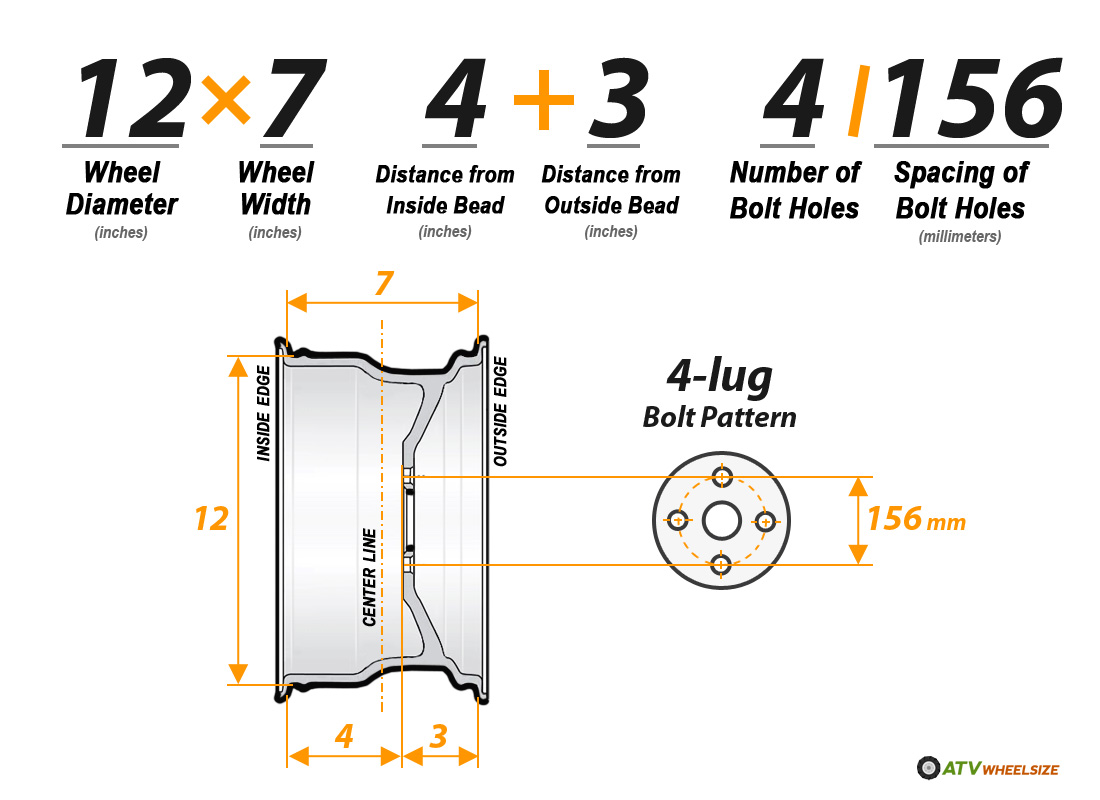
We talk to Mazda Miata Base owners every day. These are the questions we hear most before they pull the trigger on new wheels.
Will 15×8 / 15×8-inch wheels fit my Mazda Miata Base? Yes, but fitment depends on width, offset, and tire size working together. A wrong offset means rubbing. A wrong tire size means poor handling. Always verify all three.
Do I need to modify my fenders? That depends on your offset and suspension. A conservative offset with stock ride height usually fits without modification. Go aggressive and you may need to roll or pull your fenders.
Can I daily-drive this setup? Absolutely. Thousands of Mazda Miata Base owners run 15×8 / 15×8-inch wheels every day. The key is choosing the right tire with enough sidewall to absorb road imperfections.