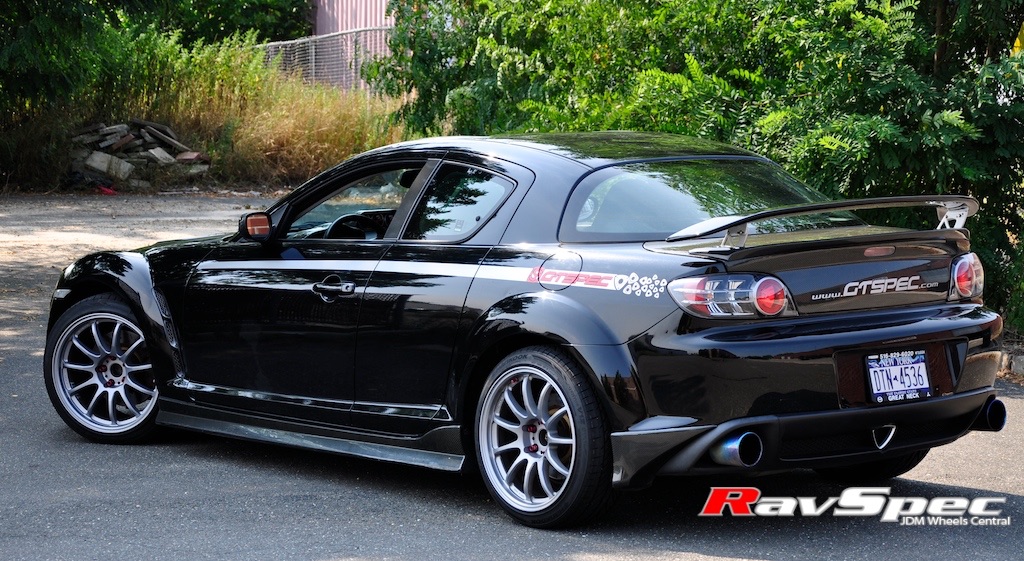
About This Mazda Miata Base 1990 Build
We love featuring real builds from real owners. This Mazda Miata Base 1990 sits on a set of 16×9 / 16×9-inch JNC Jnc010 wheels, and the result speaks for itself.
The owner chose JNC for a reason. This brand delivers serious quality and a design language that turns heads at every car meet. We see hundreds of Mazda Miata Base builds come through WheelFront every month, but this one stands out. The combination of the exterior with the JNC Jnc010 creates a look that balances aggression with elegance.

Fitment Breakdown: JNC Jnc010 on the Mazda Miata Base 1990
I walked around this NA Miata at the show, and the JNC 010 setup immediately caught my eye. These 16x9 wheels with a +15 offset push the limits of the stock body. The stance is aggressive and wide enough to make any purist sweat.
That +15 offset brings the wheel face way out toward the fender edge. On a stock Miata, this creates a massive footprint that changes the car's entire character. You get that deep-dish look that people crave.
The 9-inch width is serious business for this platform. You have to run the right coilovers to clear the inner barrel. If your springs are too wide, the inner lip will chew through your suspension bits.
Caliper clearance is tight but manageable with this design. The JNC 010 spokes curve out enough to avoid hitting the factory brakes. You won't need spacers to clear the calipers, which keeps the scrub radius somewhat sane.
The hub bore sits right where it needs to be for the Mazda hub. I checked the seating, and the wheels sit flush against the rotor hat. Always use hub-centric rings to keep the vibration away at highway speeds.

Fender clearance is the real battle here. Because the wheel is so wide, you must pull or roll those fenders flat. Without a heavy roll, the tire will grab the fender on the first big bump.
The suspension settings dictate your success. I suggest running stiff coilovers to stop the chassis from bottoming out. If you drive soft, the tires will rub constantly under hard cornering.
What We Recommend for Mazda Miata Base 1990 Owners
Don't just bolt these on and hope for the best. You need a fender roller and a heat gun before you even open the box. The metal on these NA cars is soft, so go slow to avoid cracking the paint.
For a daily driver, I suggest a 15x8 setup instead of 16x9. The 16-inch wheel looks great, but it makes the ride much harsher. A 15-inch wheel gives you more sidewall to cushion the impacts.
Staggered setups look weird on a rear-drive Miata. Keep it square with the same size at all four corners for better balance. You want the car to handle predictably when you push it in the canyons.

Watch your tire stretch carefully. A slight stretch helps with clearance, but don't go crazy with it. If you over-stretch, you lose all the grip that makes a Miata fun to drive.
Many guys make the mistake of running too much negative camber. It ruins your tires and makes the car feel twitchy on the street. Aim for a functional alignment that keeps the tread flat on the pavement.
Style and Build Analysis
The chrome finish on these JNC wheels is loud and unapologetic. It grabs the light at every angle and makes the car pop against the asphalt. Chrome is back, and this build proves it belongs on a classic chassis.
The mesh design of the 010 mimics those vintage race wheels from the nineties. It fits the NA Miata body lines perfectly. The proportions feel heavy, but in a way that makes the car look planted and mean.
I noticed how the sunlight hits the polished lips when the car rolls through the parking lot. The deep dish creates a visual shadow that makes the wheel look even wider than it is. It gives the car a sense of speed even while sitting still.

Compared to the usual TE37 clones we see, this stands out. Most people play it safe with matte black or silver finishes. Choosing chrome shows the owner has a vision and isn't afraid to be flashy.
This car feels like a time capsule modified for a modern street vibe. The mix of the rounded body and the angular mesh wheels works better than you would expect. It is a bold move that pays off with massive visual presence.
Why We Love This Build
Seeing this Miata under the neon lights at night is a total vibe. The chrome finish reflects everything around it, making the wheels glow as the car rolls forward. It turns a humble base model into a high-end showstopper.
The fitment is spot-on, filling those arches until the tires barely tuck under the rolled metal. It captures that classic modified aesthetic we all grew up loving. Every time I walk past it, I stop and stare at the deep-dish profile.
This build reminds me why we fell in love with car culture in the first place. It is loud, proud, and perfectly executed for its purpose. You need to stop dreaming and finally build your own version of this dream machine.

Full Specs Breakdown
Here is exactly what this owner is running. We break down every detail so you can replicate this build or use it as a starting point for your own setup.
- Car Make & Model: Mazda Miata Base 1990
- Vehicle Color:
- Wheel Brand & Model: JNC Jnc010
- Wheel Size: 16×9 / 16×9
- Offset: 15 / 15
- Wheel Finish: Chrome
- Tires: Accelera PHI 2 195/45 22.9″x7.7″ / 195/45 22.9″x7.7″
- Suspension: Coilovers
Before You Buy: Fitment Checklist
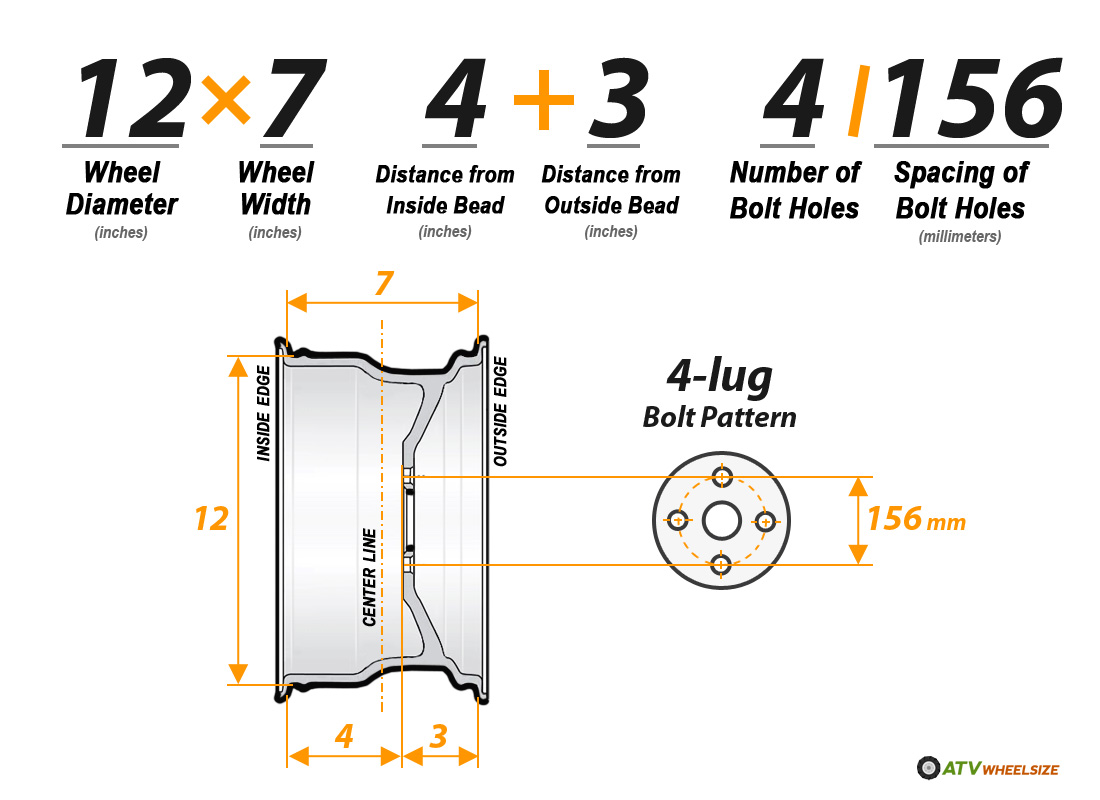
We talk to Mazda Miata Base owners every day. These are the questions we hear most before they pull the trigger on new wheels.
Will 16×9 / 16×9-inch wheels fit my Mazda Miata Base? Yes, but fitment depends on width, offset, and tire size working together. A wrong offset means rubbing. A wrong tire size means poor handling. Always verify all three.
Do I need to modify my fenders? That depends on your offset and suspension. A conservative offset with stock ride height usually fits without modification. Go aggressive and you may need to roll or pull your fenders.
Can I daily-drive this setup? Absolutely. Thousands of Mazda Miata Base owners run 16×9 / 16×9-inch wheels every day. The key is choosing the right tire with enough sidewall to absorb road imperfections.