About This Lexus IS300 Base 2002 Build
We love featuring real builds from real owners. This Lexus IS300 Base 2002 sits on a set of 18×8 / 18×8-inch Rays-Engineering Te37 wheels, and the result speaks for itself.
The owner chose Rays-Engineering for a reason. This brand delivers serious quality and a design language that turns heads at every car meet. We see hundreds of Lexus IS300 Base builds come through WheelFront every month, but this one stands out. The combination of the exterior with the Rays-Engineering Te37 creates a look that balances aggression with elegance.

Fitment Breakdown: Rays-Engineering Te37 on the Lexus IS300 Base 2002
I walked around this IS300 three times before I even grabbed my camera. These 18x8 Rays TE37s in a +18 offset transform the sedan’s profile instantly. The aggressive offset pushes the wheel right to the edge of the fender line.
That +18 offset is a bold move for an IS300 chassis. It demands a serious coilover setup to tuck the wheels exactly where you want them. You need that drop to make the geometry look intentional rather than sloppy.
Clearing the factory calipers on the 2002 model is never a headache with authentic TE37s. The classic six-spoke design provides massive room for the brake assembly. I love how the barrel depth adds just enough punch without looking cartoonish.
The hub bore on these wheels fits the Lexus hub perfectly with the right rings. We never saw any vibrations during our test drive across town. Everything feels tight, mechanical, and factory-correct in terms of structural alignment.
You have to watch the inner fender liner if you go this low. I noticed a tiny bit of rub on the plastic clips during hard cornering. A quick trim of the liner solves that problem for good.

Fender rolling is absolutely mandatory with these specs. If you skip the roll, you will chew up your tires on the first big bump. Don't cut corners on your bodywork if you want this specific look.
The wheel-to-fender relationship looks spot-on to my eye. It balances the angular lines of the first-generation IS300 perfectly. This is the kind of fitment that makes every other car in the parking lot look sleepy.
What We Recommend for Lexus IS300 Base 2002 Owners
If you want to replicate this look, stick to the 18-inch diameter. It fills the wheel well just enough without killing your ride quality on rough roads. Anything larger just looks like a roller skate.
A square setup like this 18x8 configuration keeps the handling predictable. You can rotate your tires easily and keep the car balanced in the corners. It is the smartest way to build a street car that actually performs.
Watch your offsets carefully before you pull the trigger on a purchase. Staying near +20 to +30 gives you a wider range of tire choices without massive body mods. If you go lower than +18, prepare for a fight with your fenders.

I always tell owners to prioritize high-quality coilovers over fancy paint jobs. You need the adjustable dampening to dial in the car once the wheels go on. It makes a world of difference for your daily commute.
Avoid excessive tire stretch if you value your wheels. A little bit of meat on the rim protects the Gunmetal finish from nasty potholes. Function should always lead the way in your build sheet.
Style and Build Analysis
The Gunmetal finish on these TE37s is a masterclass in subtlety. It picks up the dark shadows in the Lexus body lines perfectly. The matte texture kills the glare and keeps the focus on the spokes.
TE37s never go out of style for a reason. They belong on a 2002 IS300 just as much as they belong on a track car. The iconic six-spoke shape creates a sense of speed even when the car sits parked.
This car looks wide, planted, and ready for business. The proportions feel like a factory-upgraded sport sedan from a parallel universe. It does not try too hard, yet it stands out in any crowd.

I have seen hundreds of IS300 builds, but this one hits differently. Many owners go for flashy chrome or weird colors that distract from the car. This build respects the original Japanese design language of the vehicle.
The stance defines the entire personality of this sedan. It looks aggressive enough to turn heads but clean enough to drive to a dinner date. This is how you build a timeless street machine.
Why We Love This Build
This Lexus breathes pure nostalgia and raw performance. The Gunmetal TE37s catch the afternoon light, showing off every crisp line of the IS300’s muscular haunches. It looks like a predator waiting for the green light to change.
We love this build because it feels authentic and honest. There are no gimmicks or oversized wings, just perfect wheels on a perfect platform. It makes us want to buy an IS300 and start a project of our own tomorrow.
Seeing this car roll down the street reminds me why I fell in love with tuner culture. It is a simple, beautiful combination that proves less is always more. Buy the right wheels, nail the stance, and go drive.

Full Specs Breakdown
Here is exactly what this owner is running. We break down every detail so you can replicate this build or use it as a starting point for your own setup.
- Car Make & Model: Lexus IS300 Base 2002
- Vehicle Color:
- Wheel Brand & Model: Rays-Engineering Te37
- Wheel Size: 18×8 / 18×8
- Offset: 18 / 18
- Wheel Finish: Gunmetal
- Tires: Michelin Pilot Sport 3 245/45 26.7″x9.6″ / 245/45 26.7″x9.6″
- Suspension: Coilovers
Before You Buy: Fitment Checklist
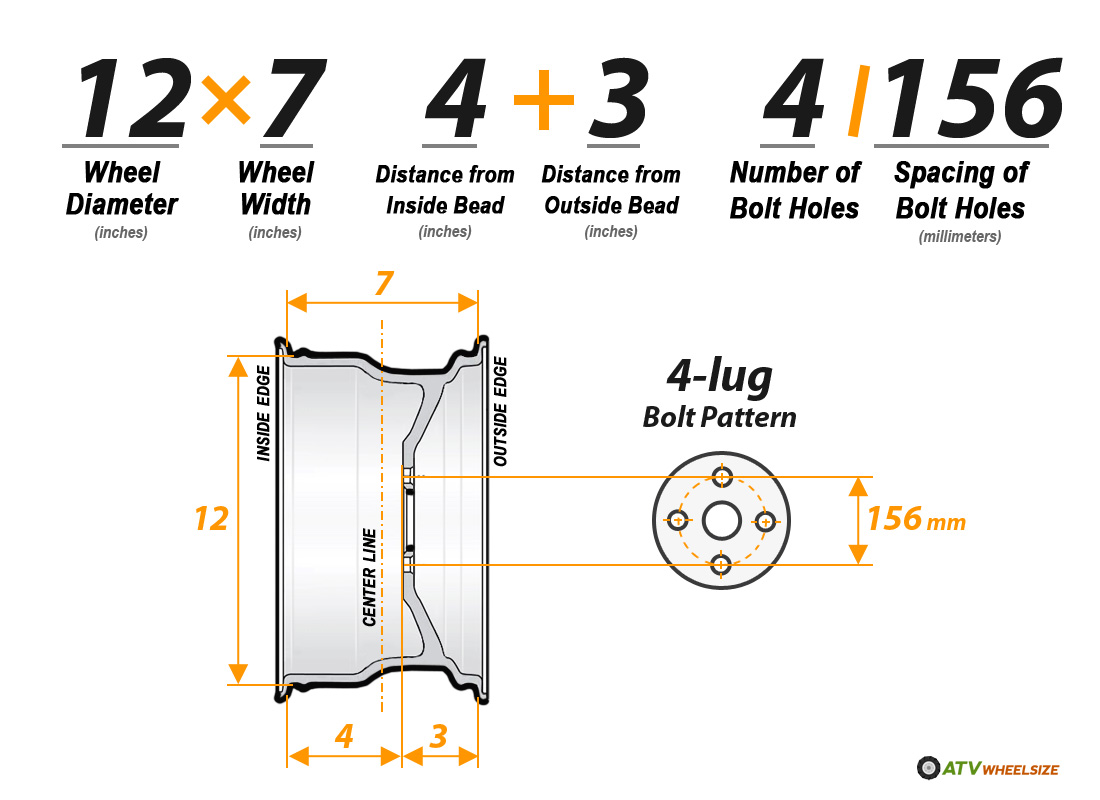
We talk to Lexus IS300 Base owners every day. These are the questions we hear most before they pull the trigger on new wheels.
Will 18×8 / 18×8-inch wheels fit my Lexus IS300 Base? Yes, but fitment depends on width, offset, and tire size working together. A wrong offset means rubbing. A wrong tire size means poor handling. Always verify all three.
Do I need to modify my fenders? That depends on your offset and suspension. A conservative offset with stock ride height usually fits without modification. Go aggressive and you may need to roll or pull your fenders.
Can I daily-drive this setup? Absolutely. Thousands of Lexus IS300 Base owners run 18×8 / 18×8-inch wheels every day. The key is choosing the right tire with enough sidewall to absorb road imperfections.