About This Hyundai Veloster Base 2016 Build
We love featuring real builds from real owners. This Hyundai Veloster Base 2016 sits on a set of 18×9 / 18×9-inch Enkei RPF1 wheels, and the result speaks for itself.
The owner chose Enkei for a reason. This brand delivers serious quality and a design language that turns heads at every car meet. We see hundreds of Hyundai Veloster Base builds come through WheelFront every month, but this one stands out. The combination of the exterior with the Enkei RPF1 creates a look that balances aggression with elegance.

Fitment Breakdown: Enkei RPF1 on the Hyundai Veloster Base 2016
I walked around this Veloster at the show and immediately knew the 18x9 setup was aggressive. Putting a nine-inch wide wheel on a base Veloster demands respect. Most guys stick to skinny stock wheels, but this owner went wide.
The 35 offset pushes these RPF1s right to the edge of the fender. You get that flush look without needing massive spacers. It fills the wheel well perfectly while keeping the track width functional.
Clearance around the front calipers feels tight but totally safe. The RPF1 design offers enough concave profile to clear the factory braking hardware easily. You never want to worry about your spokes hitting the caliper during a hard corner.
I looked closely at the hub bore and the fitment against the hub face. Everything sits flush and tight just like a quality wheel should. The 18-inch diameter keeps the proportions balanced without looking like a cartoon wagon.
The coilovers make this setup possible by dropping the chassis over those wide barrels. Without the stiffer spring rates, you would be chewing through your tire sidewalls on every bump. Now, the stance is dialed in and ready for the track.
Watch out for the inner fender liner if you hit a deep dip at speed. You might get a tiny bit of rub if you load the suspension during a sharp turn. Keep your alignment specs tight and you will be golden.
That classic Enkei spoke design looks light because it is. You save a ton of unsprung weight compared to the heavy stock alloys. Your suspension reacts faster and the car feels punchier off the line.
What We Recommend for Hyundai Veloster Base 2016 Owners
If you want this look, start with a square setup. A square 18x8.5 or 18x9 configuration keeps your handling predictable. Do not bother with a staggered setup on a front-wheel-drive platform like this.
Stick to an offset between 35 and 40 for the best results. Anything lower than 35 will poke too much and destroy your paint. Anything higher than 40 risks rubbing your inner struts or control arms.
Choose your tires wisely to avoid unnecessary drama. A 225 or 235 width tire fits these 9-inch wheels with a clean, functional profile. Avoid extreme stretch unless you want to sacrifice every bit of your traction.

You might need a mild fender roll if you decide to slam the car lower. Most guys skip this step and regret it after the first heavy pothole. Take your time and pull the fenders properly if you want to go low.
Don't fall for the trap of cheap knockoff wheels. The RPF1 is a proven classic that handles abuse better than the imitation stuff. Spend the money once and you will never regret the investment.
Style and Build Analysis
The Silver finish on these RPF1s pops against the Veloster’s body lines. It gives the car a clean, motorsports-inspired aesthetic that never goes out of style. Silver wheels just look right on almost any paint color.
The multi-spoke design creates a sense of movement even when the car sits still. It pulls the eye toward the center cap and highlights the performance nature of the build. You can see the brake rotors through the spokes, which adds to the aggressive vibe.
Proportions here are perfect because the wheel diameter isn't too large. Many Veloster owners go for 19s and ruin the ride quality. This 18-inch choice keeps the sidewall meat visible and the car looking agile.
This build feels like a dedicated time-attack machine that happens to be street-legal. It lacks the gaudy, over-the-top parts you see on most builds. It screams purpose over flashiness.
I have seen hundreds of Velosters, but this one stands out for its restraint. The owner picked one great part and executed the install perfectly. Sometimes less is truly more in this hobby.
Why We Love This Build
I love this car because it nails the spirit of the tuner scene. The silver Enkeis catch the sunlight as it rolls into the lot and the entire car just screams intent. It looks like it wants to hunt apexes all day long.
Seeing that perfect gap between the tire and the fender makes my heart race. It fills the arches exactly how a performance car should, leaving no wasted space. It is a masterclass in making a base model look like a factory race car.
This build stops me in my tracks because it is honest and raw. It proves you do not need a massive kit to transform your ride. Just bolt on some legendary wheels and get the height right. Build this car and never look back.

Full Specs Breakdown
Here is exactly what this owner is running. We break down every detail so you can replicate this build or use it as a starting point for your own setup.
- Car Make & Model: Hyundai Veloster Base 2016
- Vehicle Color:
- Wheel Brand & Model: Enkei RPF1
- Wheel Size: 18×9 / 18×9
- Offset: 35 / 35
- Wheel Finish: Silver
- Tires: Achilles ATR Sport 2 225/40 25.1″x8.9″ / 225/40 25.1″x8.9″
- Suspension: Coilovers
Before You Buy: Fitment Checklist
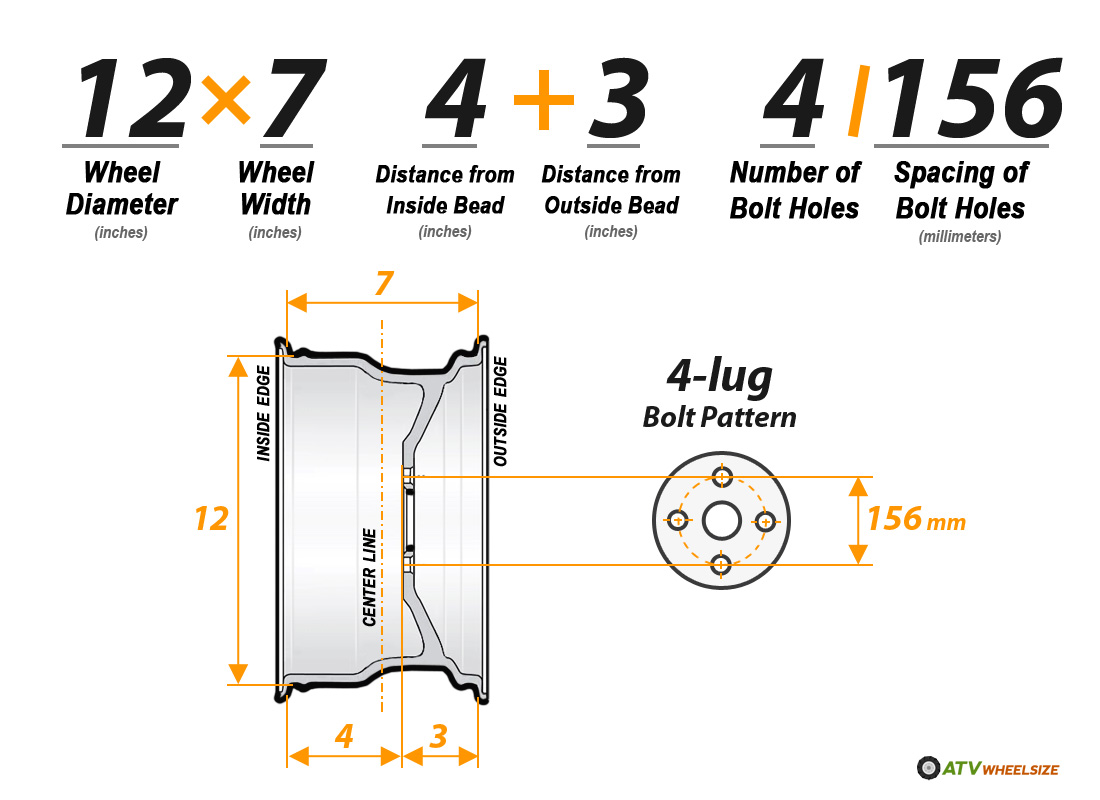
We talk to Hyundai Veloster Base owners every day. These are the questions we hear most before they pull the trigger on new wheels.
Will 18×9 / 18×9-inch wheels fit my Hyundai Veloster Base? Yes, but fitment depends on width, offset, and tire size working together. A wrong offset means rubbing. A wrong tire size means poor handling. Always verify all three.
Do I need to modify my fenders? That depends on your offset and suspension. A conservative offset with stock ride height usually fits without modification. Go aggressive and you may need to roll or pull your fenders.
Can I daily-drive this setup? Absolutely. Thousands of Hyundai Veloster Base owners run 18×9 / 18×9-inch wheels every day. The key is choosing the right tire with enough sidewall to absorb road imperfections.