About This Hyundai Genesis Coupe 2.0T Premium 2dr Coupe (2.0L 4cyl Turbo 8A) 2013 Build
We love featuring real builds from real owners. This Hyundai Genesis Coupe 2.0T Premium 2dr Coupe (2.0L 4cyl Turbo 8A) 2013 sits on a set of 19×10.5 / 20×11.5-inch Niche Verona wheels, and the result speaks for itself.
The owner chose Niche for a reason. This brand delivers serious quality and a design language that turns heads at every car meet. We see hundreds of Hyundai Genesis Coupe 2.0T Premium 2dr Coupe (2.0L 4cyl Turbo 8A) builds come through WheelFront every month, but this one stands out. The combination of the exterior with the Niche Verona creates a look that balances aggression with elegance.

Fitment Breakdown: Niche Verona on the Hyundai Genesis Coupe 2.0T Premium 2dr Coupe (2.0L 4cyl Turbo 8A) 2013
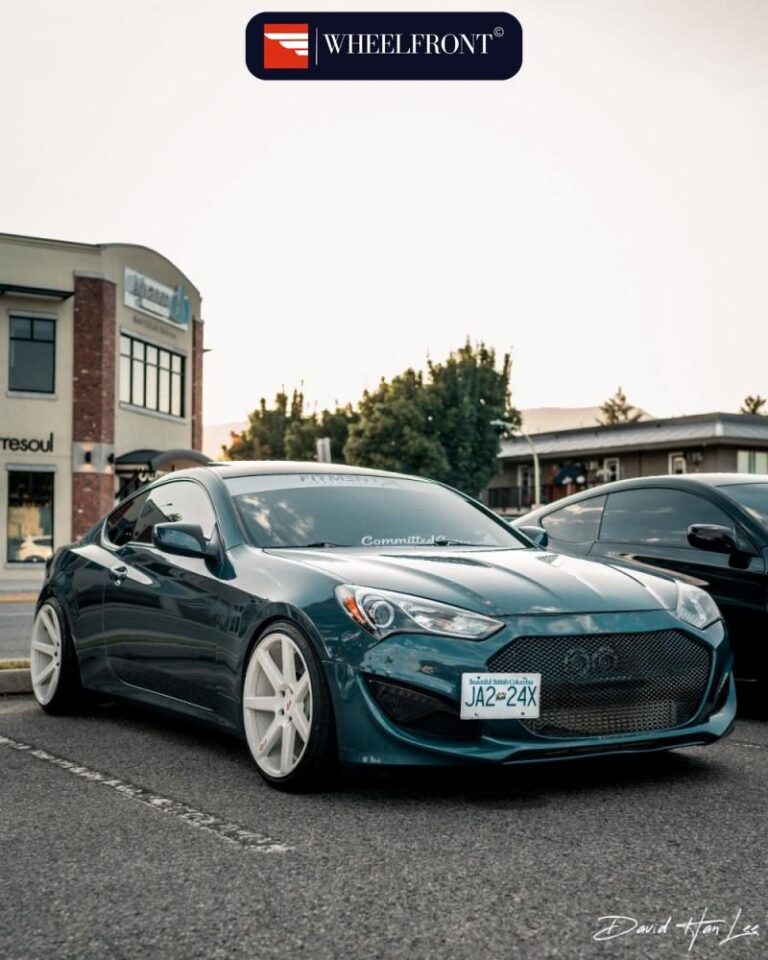
I walked around this Genesis Coupe for twenty minutes at the last meet, and the stance is aggressive. Running 19x10.5 in the front and 20x11.5 in the rear is a massive jump from stock. This setup pushes the boundaries of what this chassis can handle without major surgery. Most guys play it safe, but this owner went full send.
The 33 offset up front keeps those 10.5-inch barrels from eating the inner control arms. You need that extra space when running a wide wheel on a MacPherson strut setup. I noticed the clearance to the strut tower is tight, but it works perfectly. You won't hit any suspension components during a full lock turn.
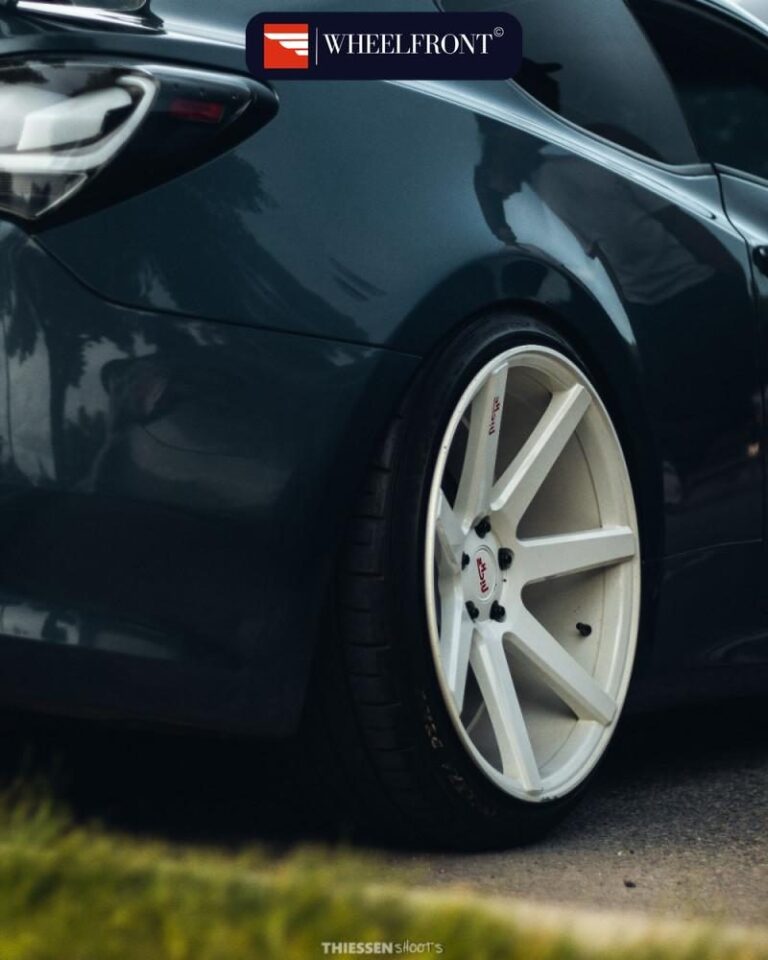
Out back, the 29 offset on the 20x11.5 wheels creates a deep, concave look that defines the rear end. The hub bore matches up flush, so there is zero vibration at highway speeds. It is a precision fit that looks custom-engineered rather than just bolted on. That extra width fills out the rear quarters like the car was born to wear them.
Since the car sits on coilovers, the geometry changes completely compared to a stock suspension setup. Dropping the height creates a natural negative camber that helps tuck those wide wheels inside the fender lips. You have to be careful with the inner liner, though. I would definitely roll the fenders if you plan on driving this thing hard on back roads.
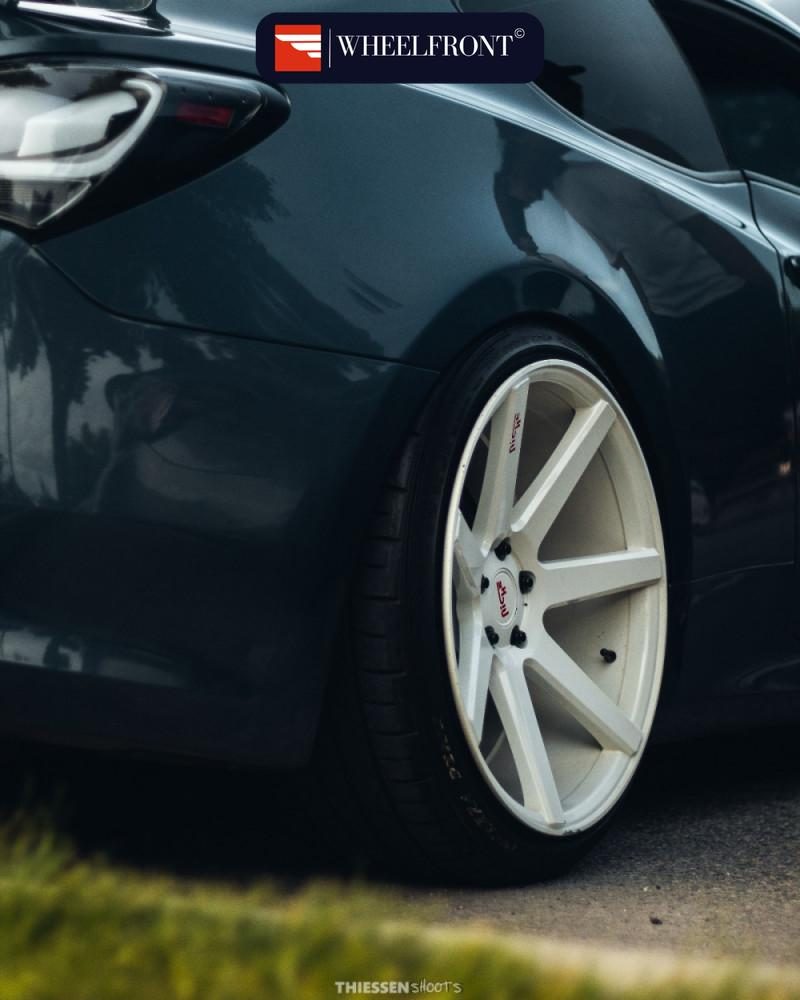
The spoke design on the Niche Verona is thin enough to show off the calipers while remaining strong. You get a great view of the brake assembly through those white faces. It adds a technical, race-inspired vibe that fits the 2.0T engine bay perfectly. The contrast between the open spokes and the deep barrel is the highlight of the design.
Be aware of the potential for rubbing on the plastic fender liners if you hit a big bump at speed. This fitment is aggressive, and it leaves very little room for error under full compression. If you want this look, you have to be willing to commit to the maintenance of a low-clearance setup. It is a high-risk, high-reward situation that pays off the second you park.
What We Recommend for Hyundai Genesis Coupe 2.0T Premium 2dr Coupe (2.0L 4cyl Turbo 8A) 2013 Owners
If you want to replicate this look, start with your suspension choice. You cannot achieve this fitment on factory springs or shocks. A quality set of coilovers is mandatory to dial in the ride height and camber settings correctly.
For the front, stick to a 19-inch diameter to keep the steering feel sharp and responsive. Going to a 20-inch wheel up front often ruins the handling characteristics of the 2.0T platform. Keep the width around 9.5 to 10 inches if you want to avoid heavy modification of the front fenders. You want a functional car, not just a garage ornament.
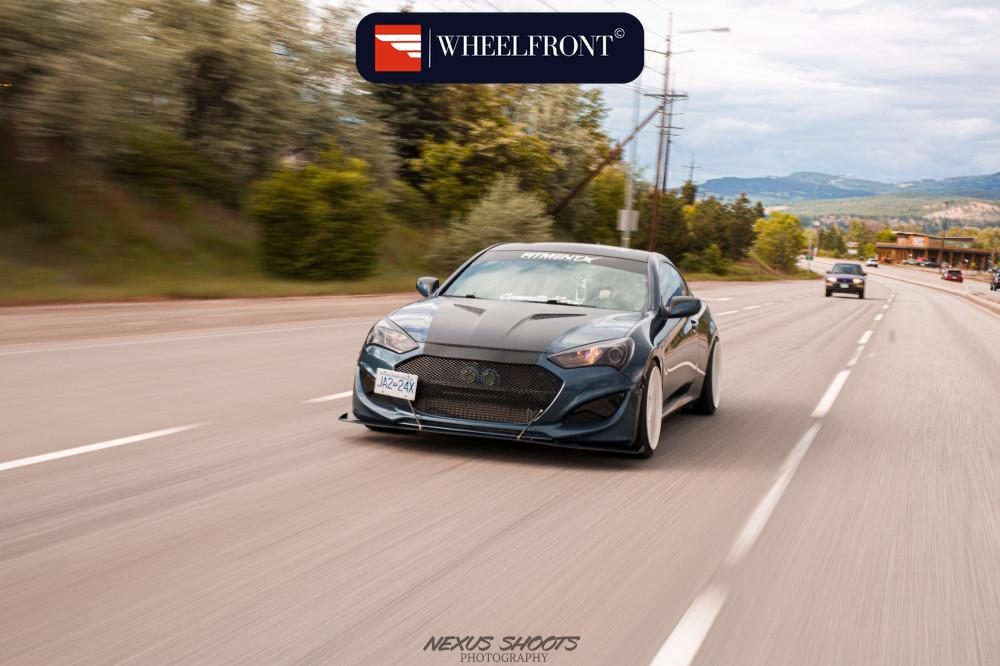
The rear of the Genesis Coupe eats up wide wheels well. You can comfortably fit an 11-inch wide wheel back there with the right offset. Just watch your offset numbers; stay in that 25 to 30 range to avoid rubbing on the outer fender edge. Anything higher, and you are going to need spacers, which is a headache you do not want.
Tire stretch is a common debate, but for a look like this, a light stretch is necessary. It helps pull the sidewall in just enough to clear the metal fender lip during cornering. Don't go overboard, though. You still need enough meat on the tire to actually grip the pavement when that turbo spools up.
The biggest mistake I see beginners make is buying wheels without considering the brake caliper clearance. The Genesis Coupe has decent factory brakes, and they will hit the back of the spokes if your offset is wrong. Always verify your brake kit clearance before you commit to a specific wheel width or design. Measure twice, buy once.
Style and Build Analysis
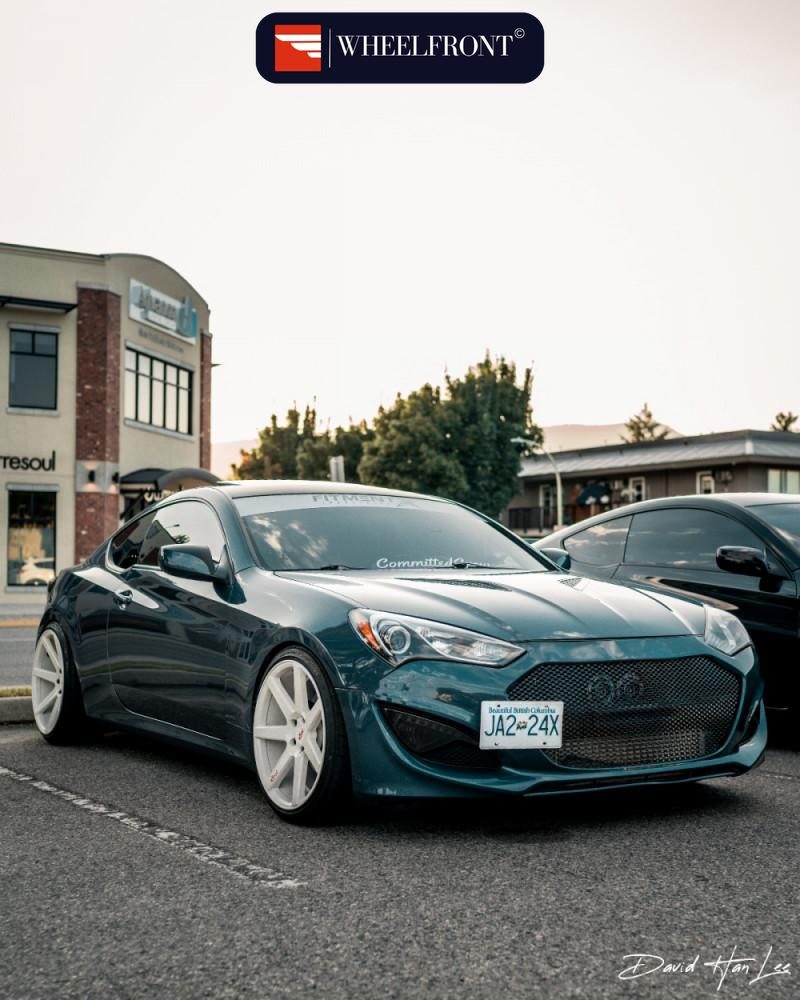
The choice of a white finish on these Niche Verona wheels is bold. It highlights the intricate spoke pattern in a way that standard silver or black never could. The white pops against the body lines of the 2013 Genesis Coupe, especially in direct sunlight. It feels clean, intentional, and undeniably modern.
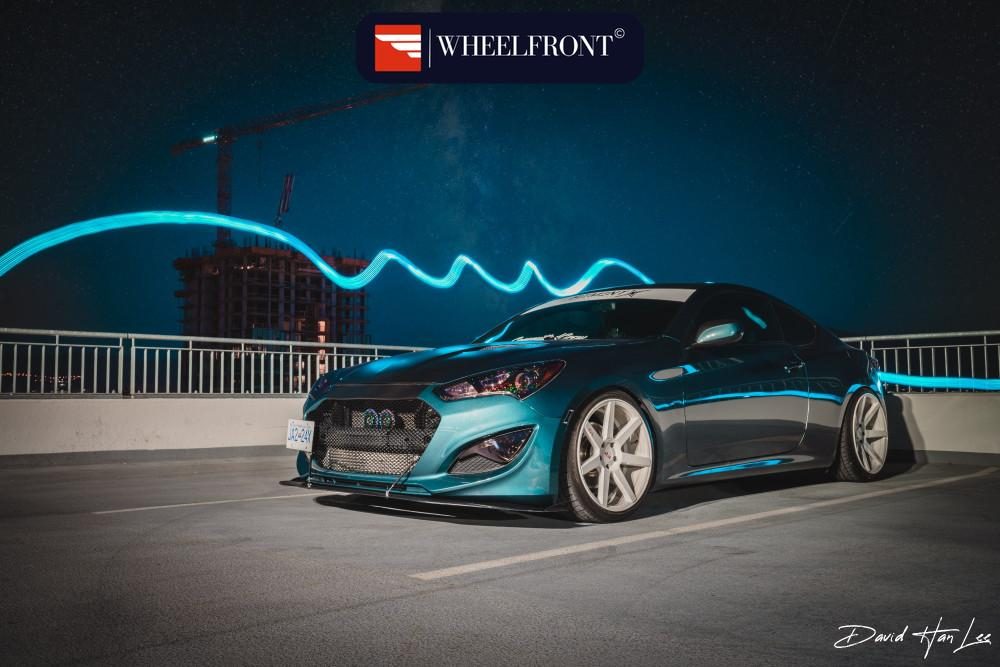
White wheels are a nightmare to keep clean, but they look incredible when detailed properly. They give the car a rally-inspired aesthetic that separates it from every other lowered car at the meet. It makes the wheels the focal point of the entire build. You cannot help but stare at how they frame the stance.
The proportions are what really grab my attention here. By running the 19/20 staggered setup, the owner has given the car a forward-leaning, predatory posture. It looks like it is moving even when it is standing completely still. The car feels balanced despite the massive size difference between the front and rear wheels.
We have seen plenty of Genesis builds, but this one captures a specific energy. It isn't overdone with fake vents or giant wings; it lets the wheel fitment do the heavy lifting. The simplicity of the Niche design keeps the build from looking cluttered or cheap. It is a masterclass in using the right wheels to elevate a factory chassis.
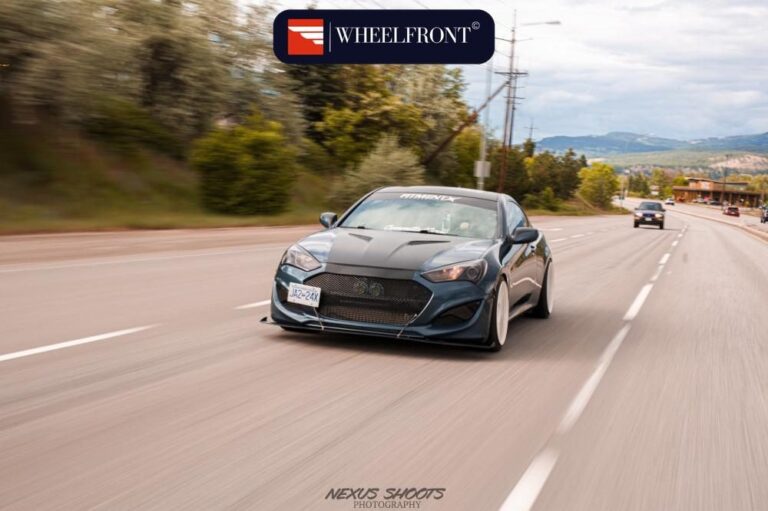
The road presence is undeniable when this car rolls down the street. The wide track width makes the car look planted and wide, like a true sports machine. It commands respect without being flashy or desperate for attention. This is how you modify a modern coupe correctly.
Why We Love This Build
This Genesis Coupe hits the sweet spot between street car and show car. Watching the white Niche Veronas catch the light as the car pulls into the lot is a genuine thrill. The way the tires tuck into the arches with that tight coilover drop shows real dedication to the craft. Every detail feels deliberate, from the offset choices to the clean finish.
It stops us in our tracks because it honors the aggressive lines of the Hyundai body while pushing it into new territory. This build proves that with the right eyes for fitment, you can turn a factory platform into a real head-turner. If you want a car that feels fast and looks even faster, this is the blueprint.
Do it right the first time and you will never regret the stance.
Full Specs Breakdown
Here is exactly what this owner is running. We break down every detail so you can replicate this build or use it as a starting point for your own setup.
- Car Make & Model: Hyundai Genesis Coupe 2.0T Premium 2dr Coupe (2.0L 4cyl Turbo 8A) 2013
- Vehicle Color:
- Wheel Brand & Model: Niche Verona
- Wheel Size: 19×10.5 / 20×11.5
- Offset: 33 / 29
- Wheel Finish: White
- Tires: Atrezzo Zsr 235/35 25.5″x9.3″ / 235/35 26.5″x9.3″
- Suspension: Coilovers
Before You Buy: Fitment Checklist
We talk to Hyundai Genesis Coupe 2.0T Premium 2dr Coupe (2.0L 4cyl Turbo 8A) owners every day. These are the questions we hear most before they pull the trigger on new wheels.
Will 19×10.5 / 20×11.5-inch wheels fit my Hyundai Genesis Coupe 2.0T Premium 2dr Coupe (2.0L 4cyl Turbo 8A)? Yes, but fitment depends on width, offset, and tire size working together. A wrong offset means rubbing. A wrong tire size means poor handling. Always verify all three.
Do I need to modify my fenders? That depends on your offset and suspension. A conservative offset with stock ride height usually fits without modification. Go aggressive and you may need to roll or pull your fenders.
Can I daily-drive this setup? Absolutely. Thousands of Hyundai Genesis Coupe 2.0T Premium 2dr Coupe (2.0L 4cyl Turbo 8A) owners run 19×10.5 / 20×11.5-inch wheels every day. The key is choosing the right tire with enough sidewall to absorb road imperfections.