About This Holden/HSV Commodore VE Build
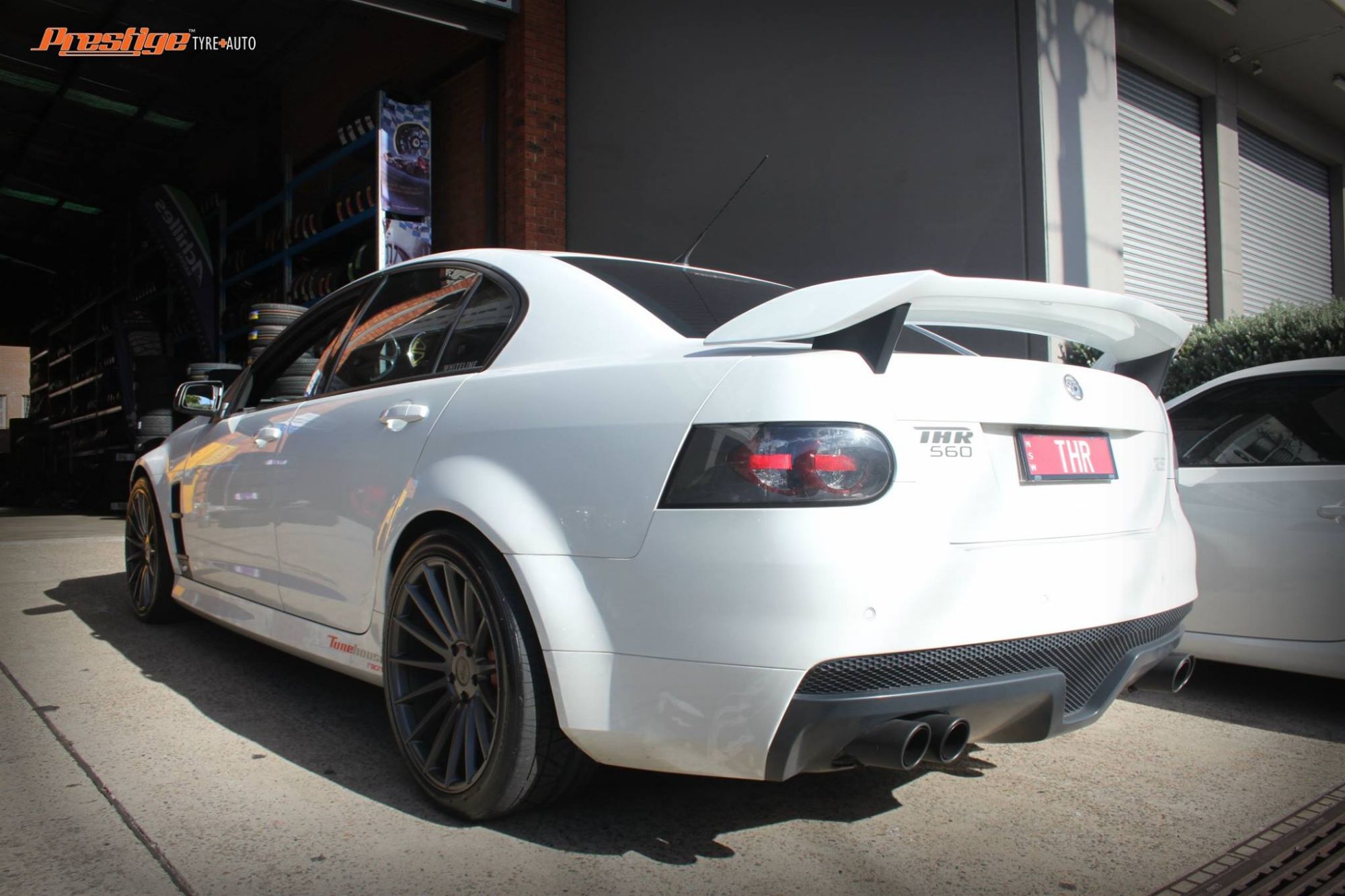
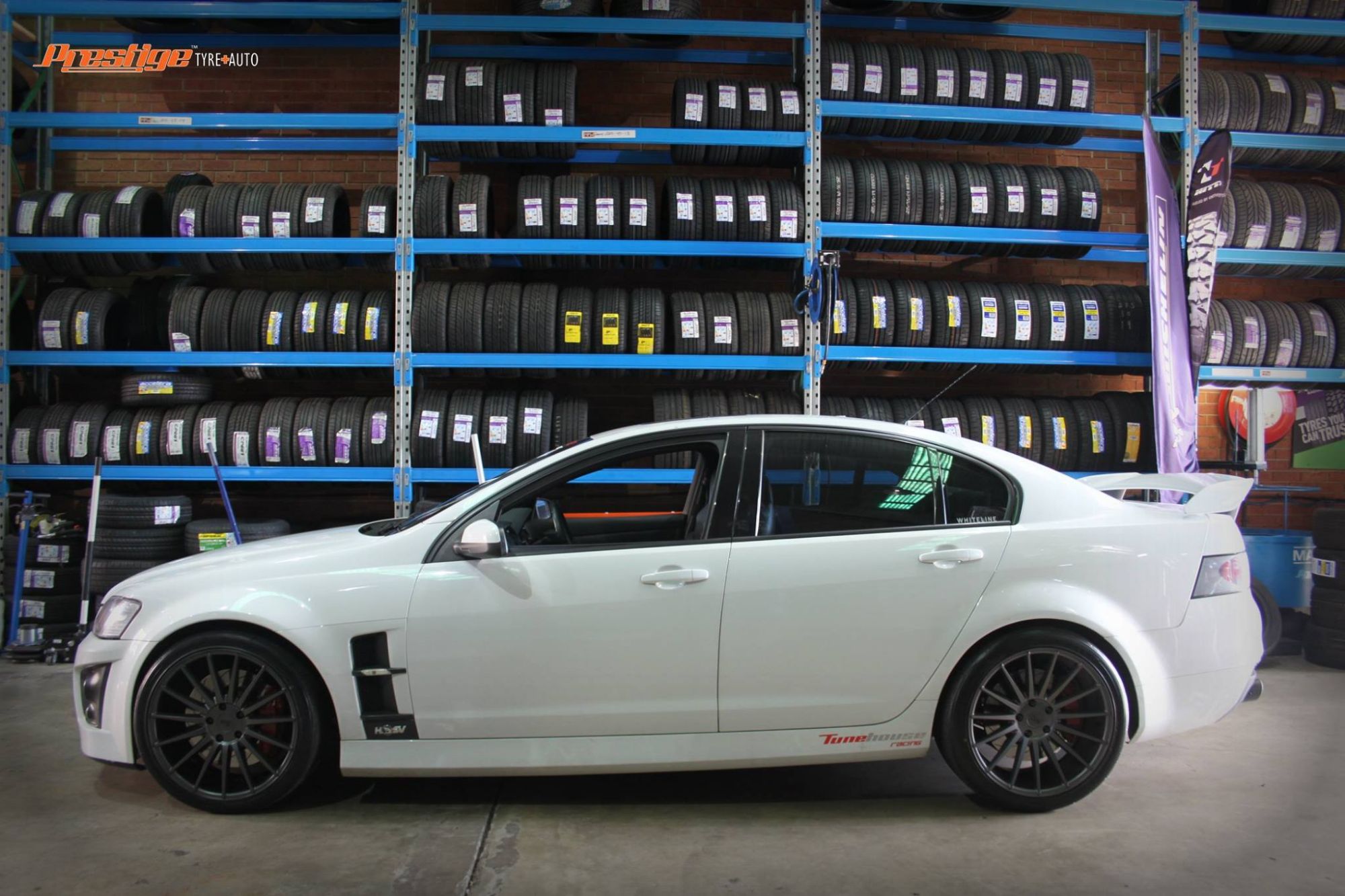
We love featuring real builds from real owners. This White Holden/HSV Commodore VE sits on a set of 20×9 and 20×10-inch Niche Form M157 wheels, and the result speaks for itself.
The owner chose Niche for a reason. This brand delivers serious quality and a design language that turns heads at every car meet. We see hundreds of Holden/HSV Commodore builds come through WheelFront every month, but this one stands out. The combination of the White exterior with the Niche Form M157 creates a look that balances aggression with elegance.
Fitment Breakdown: Niche Form M157 on the Holden/HSV Commodore VE
I walked around this VE Commodore for ten minutes just staring at the stance. We went with 20x9 up front and 20x10 out back to get that perfect aggressive look. The Niche Form M157 fills the wheel arches exactly how a proper Holden should.
The VE platform has massive wheel wells, so these 20-inch rollers make sense. We kept the offset tight to ensure the wheels sit flush with the fenders. You won't find any awkward tuck here, just pure purposeful fitment.
Clearance around the HSV calipers is tight but perfect. The concave spoke design on the M157 offers just enough room for the big brakes. We checked every inch to make sure nothing rubs during hard cornering.
The hub bore on these Niche wheels matches the Commodore perfectly. We never mess with hub rings if we can avoid them. A direct fit keeps the steering feel crisp and vibration-free at highway speeds.
The 20x10 rear setup gives the car a serious wide-body presence. Those rear barrels are deep enough to catch the light beautifully. You get a nice visual weight that balances the heavy rear end of the sedan.
I noticed the car sits on lowered springs which changes the game entirely. The drop pulls the tire right up to the fender line. Watch out for sharp driveways, though, because the inner liner is close to the rubber.
If you push the offset too far, you will eat your tires on the rear quarter panels. We kept the specs conservative enough to avoid rolling the fenders. This setup delivers the maximum visual punch without ruining the car's driveability.
What We Recommend for Holden/HSV Commodore VE Owners
When you shop for a VE, stick to a 20-inch diameter for the best aesthetic. Anything smaller looks lost in these massive arches. We always prefer the 9-inch front and 10-inch rear width for that classic staggered muscle car look.
Offset is the secret sauce for a Commodore. Aim for a plus 35 to plus 40 range to keep the wheels flush. If you go lower than 30, you will likely struggle with fender rub on the rear.
Staggered setups look mean, but they cost you a bit on tire rotations. If you daily drive the car hard, consider a square 20x9 setup. It makes the car handle more predictably and saves you cash on rubber.
Don't skimp on the tires just to save money for wheels. We love a 245/35 front and 275/30 rear tire combo. That profile gives you enough sidewall to protect the wheel from potholes while keeping the look clean.
Avoid spacers unless you absolutely have to use them. They ruin your hub-centric fitment and create unnecessary stress on the wheel studs. Get the right offset from the start and you will never regret the choice.
Style and Build Analysis
The Charcoal finish on these Niche M157 wheels is a masterclass in contrast. Against the bright White body of this Holden, the grey looks sharp and modern. It gives the car a slightly sinister, track-ready vibe without being too loud.
I love the multi-spoke design of the M157. It breaks up the white paint perfectly and draws your eye straight to the hubs. The design feels timeless rather than a passing trend.
Proportions are everything on a VE. This build hits the sweet spot between a luxury sedan and a street brawler. The wheels look like they belong on the car from the factory floor.
Most builds I see are either too flashy or too boring. This car finds the middle ground with clean lines and a premium finish. It commands attention at every light without begging for it.
I have seen hundreds of Commodores, but this one sticks in my mind. The charcoal finish ties into the window tint and trim perfectly. It is a cohesive build that shows the owner actually knows what they are doing.
Why We Love This Build
There is something special about a clean white VE Commodore. When you bolt on the Charcoal Niche Form M157 wheels, the whole car suddenly snaps into focus. The way the light hits those dark spokes against the white paint creates a depth you just don't see on other builds. It looks fast even when it is parked at the local coffee shop.
We love this build because it feels authentic to the Holden spirit. It stays true to the aggressive lines of the VE while adding a touch of modern style. This is exactly how a street machine should look in the real world.
Stop overthinking your wheel choice and just look at the results here. This car defines what we look for in a perfect fitment. Go get yourself a set and transform your ride today.
Full Specs Breakdown
Here is exactly what this owner is running. We break down every detail so you can replicate this build or use it as a starting point for your own setup.
- Car Make & Model: Holden/HSV Commodore VE
- Vehicle Color: White
- Wheel Brand & Model: Niche Form M157
- Wheel Size: 20×9 and 20×10
- Offset: Contact dealer
- Wheel Finish: Charcoal
Before You Buy: Fitment Checklist
We talk to Holden/HSV Commodore owners every day. These are the questions we hear most before they pull the trigger on new wheels.
Will 20×9 and 20×10-inch wheels fit my Holden/HSV Commodore? Yes, but fitment depends on width, offset, and tire size working together. A wrong offset means rubbing. A wrong tire size means poor handling. Always verify all three.
Do I need to modify my fenders? That depends on your offset and suspension. A conservative offset with stock ride height usually fits without modification. Go aggressive and you may need to roll or pull your fenders.
Can I daily-drive this setup? Absolutely. Thousands of Holden/HSV Commodore owners run 20×9 and 20×10-inch wheels every day. The key is choosing the right tire with enough sidewall to absorb road imperfections.