About This Honda S2000 Base 2001 Build
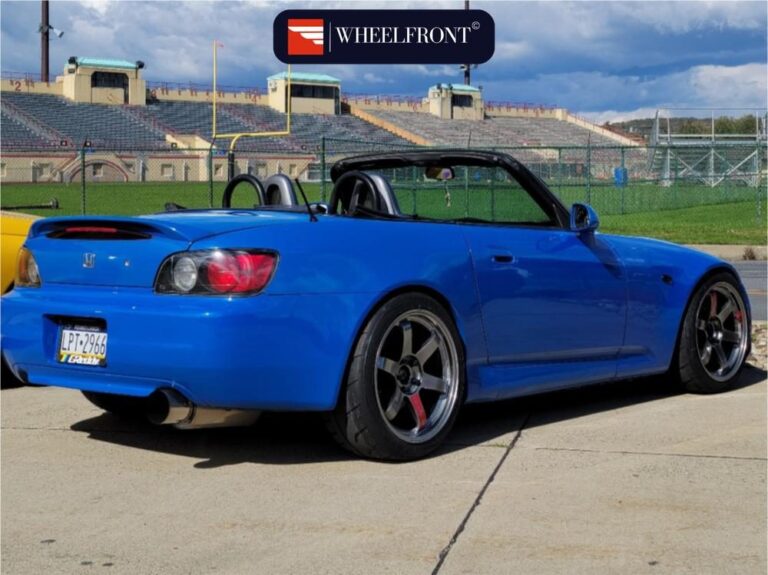
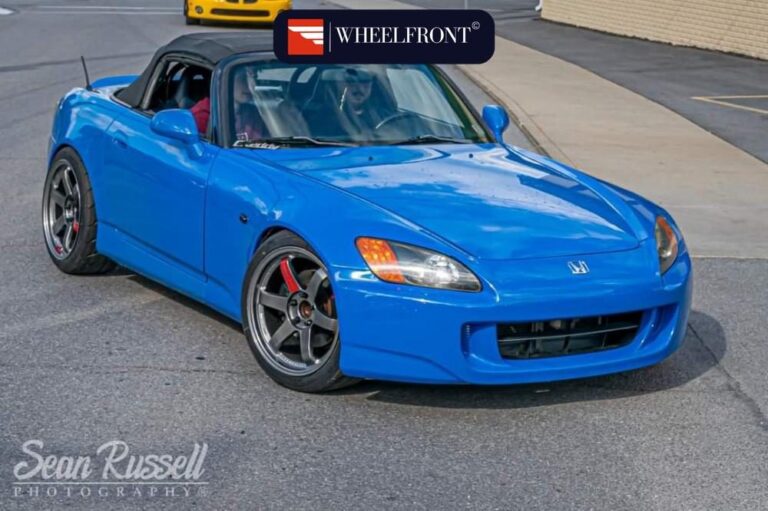
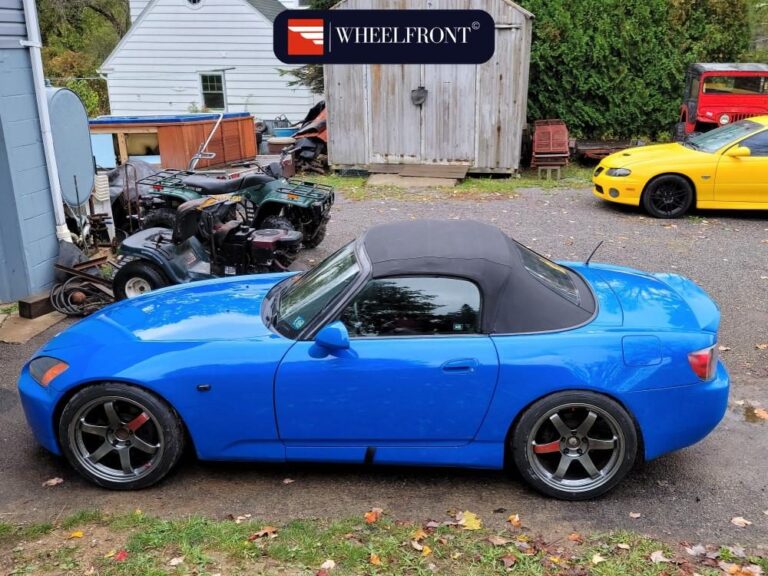
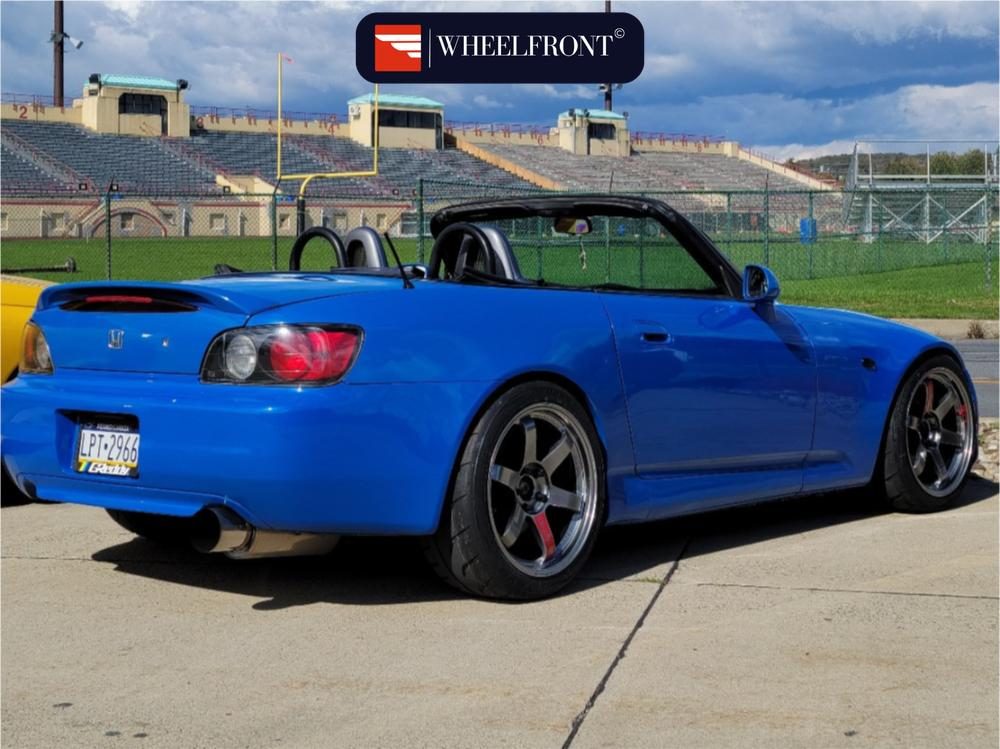
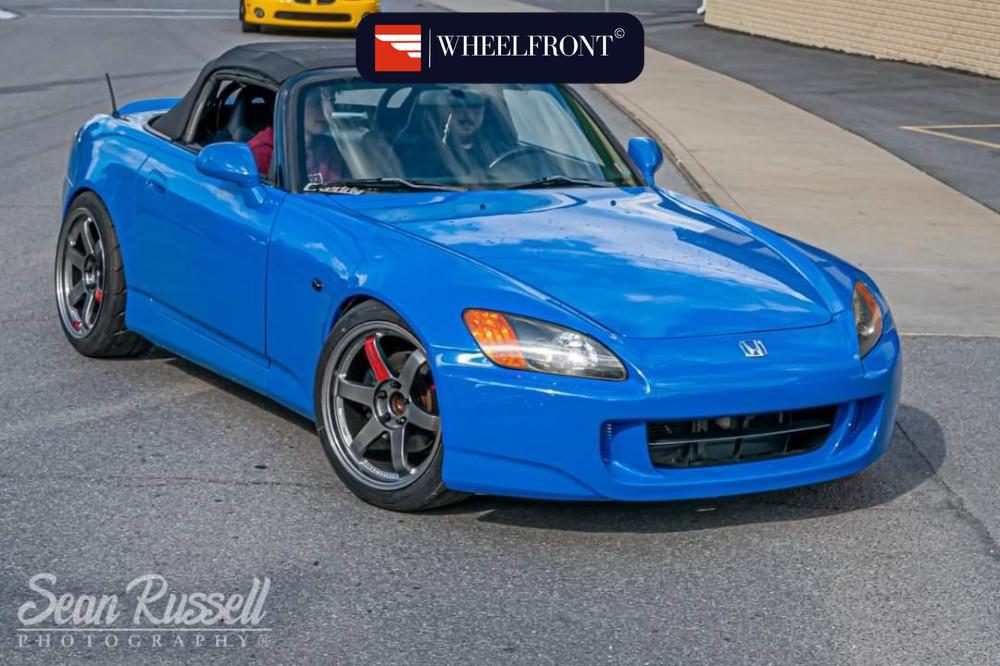
We love featuring real builds from real owners. This Honda S2000 Base 2001 sits on a set of 18×9.5 / 18×9.5-inch Rays Engineering Te37 wheels, and the result speaks for itself.
The owner chose Rays Engineering for a reason. This brand delivers serious quality and a design language that turns heads at every car meet. We see hundreds of Honda S2000 Base builds come through WheelFront every month, but this one stands out. The combination of the exterior with the Rays Engineering Te37 creates a look that balances aggression with elegance.
Fitment Breakdown: Rays Engineering Te37 on the Honda S2000 Base 2001
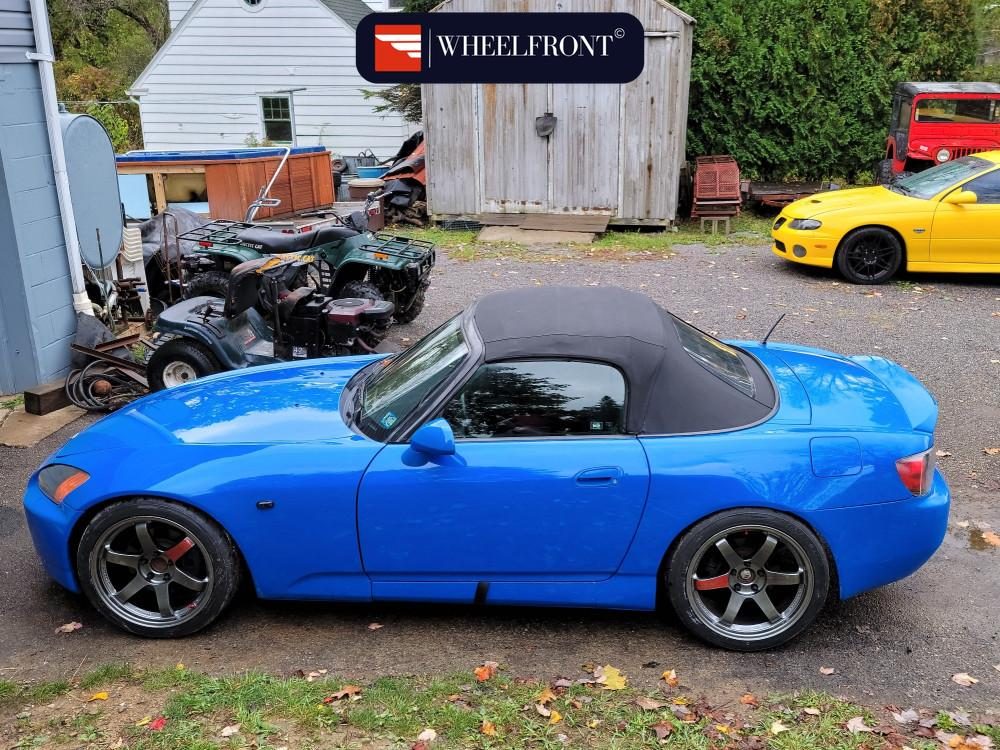
I walked up to this S2000 at the track, and the fitment hit me instantly. We are looking at a square 18x9.5 setup wrapped in Rays Engineering TE37s. That 38 offset is aggressive for an AP1, especially on the front end.
The TE37 is a legend for a reason, and it shines on this chassis. That +38 offset pushes the face out to the edge of the fender line perfectly. You get that flat, iconic spoke design that clears almost any big brake kit.
Running a 9.5-inch width on the front requires serious work. You cannot just bolt these on and drive home. You will need to roll your fenders flat and pull them slightly to avoid chewing up your tires.
The hub bore on these wheels matches the S2000 perfectly. We never see any vibration issues at high speeds on the track. Rays engineered these to handle the abuse of a road course while staying light as a feather.
The barrel lip depth on the 18-inch TE37 gives the car a muscular, planted look. It fills the wheel arch gap without making the car look like a monster truck. The coilovers dial in the height to keep the geometry sharp.
Watch out for the inner fender liner if you track the car hard. The 9.5 width with that offset will rub the plastic tabs during heavy cornering compression. We always recommend trimming those liners to save your sidewalls.
The total package creates a wider track width that improves mechanical grip. I felt the steering response tighten up the moment I took it for a spin. This is not just for looks, even if it looks incredible.
What We Recommend for Honda S2000 Base 2001 Owners
If you want to run 18s on an S2000, keep your expectations realistic. A 9-inch width with a +45 offset is the safe zone for a daily driver. You get the aggressive look without sacrificing your paint job.
Do not be afraid of a staggered setup if you value rear traction. We see a lot of guys run 17x8 front and 17x9 rear for better turn-in. It keeps the car balanced and keeps the steering rack happy.
Avoid massive spacers if you can help it. They change your scrub radius and put unnecessary stress on your wheel bearings. Pick the right offset from the factory and save yourself the headache.
Tire choice matters as much as the wheel size. If you choose a tire with a square shoulder, you need more fender work. A rounded sidewall gives you a few extra millimeters of breathing room.
Always budget for a professional alignment shop that knows the S2000. You need enough negative camber to tuck those tires under the fenders. Without the right alignment, this build is just a recipe for shredded rubber.
Style and Build Analysis
The visual impact of the TE37 on an AP1 is timeless. The bronze finish against the Honda body paint creates a contrast that never gets old. It reminds me of the golden era of Japanese tuner culture.
The six-spoke design is simple, but it feels purposeful. Every line on the wheel directs your eye toward the center cap. It complements the angular lines of the S2000’s front bumper and side skirts perfectly.
I love how the stance sits exactly where a performance car should. There is no ugly gap between the tire and the arch, but it is not slammed to the point of being useless. It looks like it belongs on the starting grid.
Compared to other builds we have featured, this one is pure function meeting form. Many people go too wide or too low, but this car hits the sweet spot. It feels tight, responsive, and completely dialed in.
The road presence is undeniable when this car rolls into the light. The wheels catch the sun and show off those muscular proportions. It turns heads because it looks like a predator waiting to pounce.
Why We Love This Build
This S2000 captures everything I love about car culture. Seeing those iconic bronze TE37s tucked perfectly under the arches makes my heart skip a beat. The car sits low, lean, and ready to attack every corner on the track.
The way the light hits the forged spokes at high speeds is pure magic. We see a lot of cars, but this one feels special because it feels honest. It is a driver’s machine built for the right reasons.
I want to grab the keys and drive this car through a mountain pass until the sun goes down. This is the gold standard for an S2000 build. Go buy a set of TE37s and transform your ride today.
Full Specs Breakdown
Here is exactly what this owner is running. We break down every detail so you can replicate this build or use it as a starting point for your own setup.
- Car Make & Model: Honda S2000 Base 2001
- Vehicle Color:
- Wheel Brand & Model: Rays Engineering Te37
- Wheel Size: 18×9.5 / 18×9.5
- Offset: 38 / 38
- Tires: Toyo Tires Proxes R888R 235/40 25.4″x9.3″ / 235/40 25.4″x9.3″
- Suspension: Coilovers
Before You Buy: Fitment Checklist
We talk to Honda S2000 Base owners every day. These are the questions we hear most before they pull the trigger on new wheels.
Will 18×9.5 / 18×9.5-inch wheels fit my Honda S2000 Base? Yes, but fitment depends on width, offset, and tire size working together. A wrong offset means rubbing. A wrong tire size means poor handling. Always verify all three.
Do I need to modify my fenders? That depends on your offset and suspension. A conservative offset with stock ride height usually fits without modification. Go aggressive and you may need to roll or pull your fenders.
Can I daily-drive this setup? Absolutely. Thousands of Honda S2000 Base owners run 18×9.5 / 18×9.5-inch wheels every day. The key is choosing the right tire with enough sidewall to absorb road imperfections.