About This Honda Prelude Base 2001 Build
We love featuring real builds from real owners. This Honda Prelude Base 2001 sits on a set of 17×9 / 17×9-inch Enkei RPF1 wheels, and the result speaks for itself.
The owner chose Enkei for a reason. This brand delivers serious quality and a design language that turns heads at every car meet. We see hundreds of Honda Prelude Base builds come through WheelFront every month, but this one stands out. The combination of the exterior with the Enkei RPF1 creates a look that balances aggression with elegance.

Fitment Breakdown: Enkei RPF1 on the Honda Prelude Base 2001
I walked around this Prelude for twenty minutes yesterday, and the 17x9 plus 35 setup on all four corners hits different. These Enkei RPF1s are the gold standard for a reason. You get a massive amount of width without looking like a cartoon character.
That 35 offset is the magic number for the BB6 chassis. It pushes the face out just enough to clear the stock calipers easily. You do not need spacers here, which keeps the steering feel sharp and predictable.
The hub bore on the RPF1 fits the Prelude perfectly with a standard ring. I checked the back of the barrel, and the clearance to the control arms is tight but safe. You get plenty of room to breathe even at full lock.
Because you are running a 9-inch wide wheel, the fender gap becomes your new best friend or worst enemy. These lowering springs pull the car down enough to close that gap. The stance looks aggressive without looking broken.
Watch your front fender liners on hard bumps. With a 17x9 wheel, the rubber is going to track close to the plastic shroud. A quick heat gun treatment on those liners will save your tires from unnecessary wear.
The RPF1 barrel has that signature flat lip design that keeps the weight down. It looks purposeful and mechanical compared to the bloated wheels most people bolt onto these Hondas. It screams track day, not mall crawler.
Even with lowering springs, the setup does not scream for a widebody kit. You get a flush, clean look that highlights the body lines of the Prelude. It keeps the car feeling like a proper sports coupe.
What We Recommend for Honda Prelude Base 2001 Owners
If you want this exact look, stick to the 17-inch diameter. You can go 16s, but they look too small for the long body lines of the Prelude. 17x8 or 17x9 remains the sweet spot for handling and aesthetics.
Skip the staggered setups on this car. A square 17x9 setup lets you rotate your tires and keeps the handling balance neutral. It is the only way to go for a street-driven car that sees spirited cornering.
Offset is where most people mess up their build. Anything higher than 40 will look sunken, and anything lower than 30 will poke way too far. The 35 offset we saw today is the goldilocks zone for this chassis.
You need to be smart about your tire choice. A 245-wide tire is going to rub unless you roll your fenders professionally. I suggest a 235-wide tire to keep the sidewall tucked nicely under the arch.
Do not go cheap on the centering rings. If you ignore the hub bore, you will deal with a vibration at highway speeds that will drive you insane. Buy the aluminum ones and keep your setup tight.
Style and Build Analysis
The Gold finish on these RPF1s pops against the paint like nothing else. Gold on a Prelude is a classic move that honors the heritage of Japanese tuning culture. It makes the car feel premium and race-inspired at the same time.
The multi-spoke design of the Enkei cuts through the air and shows off the brake assembly. It is a busy design, but it works because the Prelude has such clean, simple body panels. It adds a layer of complexity to the profile.
I noticed how the sunlight hits the concave face of the wheel when the car is rolling. It creates a motion blur that makes the car look fast even when it is sitting at a light. That is the mark of a well-chosen wheel.
Most builds we feature today are over-the-top with huge spoilers and wild wraps. This Prelude stays grounded and focused. It feels like a throwback to the golden era of import car magazines.
The proportions are just right for a daily driver. You get a low, squat stance that suggests the car has more power than it does. It commands attention without being obnoxious or loud.
Why We Love This Build
This Prelude captures the exact spirit of why we got into cars in the first place. When the light hits those gold spokes, the whole car transforms from a clean cruiser into a legit street weapon. The fitment is flush, the stance is purposeful, and the execution is flawless.
We see thousands of cars every year, but this one sticks in my brain because it is so honest. It does not try to be a supercar, and it does not hide behind aggressive aero. It is just a perfect car on perfect wheels.
You look at this build and you immediately want to grab your keys and hit the canyons. It is a masterclass in how small changes define a car. Go get yourself a set and do it right.
Full Specs Breakdown
Here is exactly what this owner is running. We break down every detail so you can replicate this build or use it as a starting point for your own setup.
- Car Make & Model: Honda Prelude Base 2001
- Vehicle Color:
- Wheel Brand & Model: Enkei RPF1
- Wheel Size: 17×9 / 17×9
- Offset: 35 / 35
- Wheel Finish: Gold
- Tires: Nitto Neo Gen 205/35 22.6″x8.1″ / 205/35 22.6″x8.1″
- Suspension: Lowering Springs
Before You Buy: Fitment Checklist
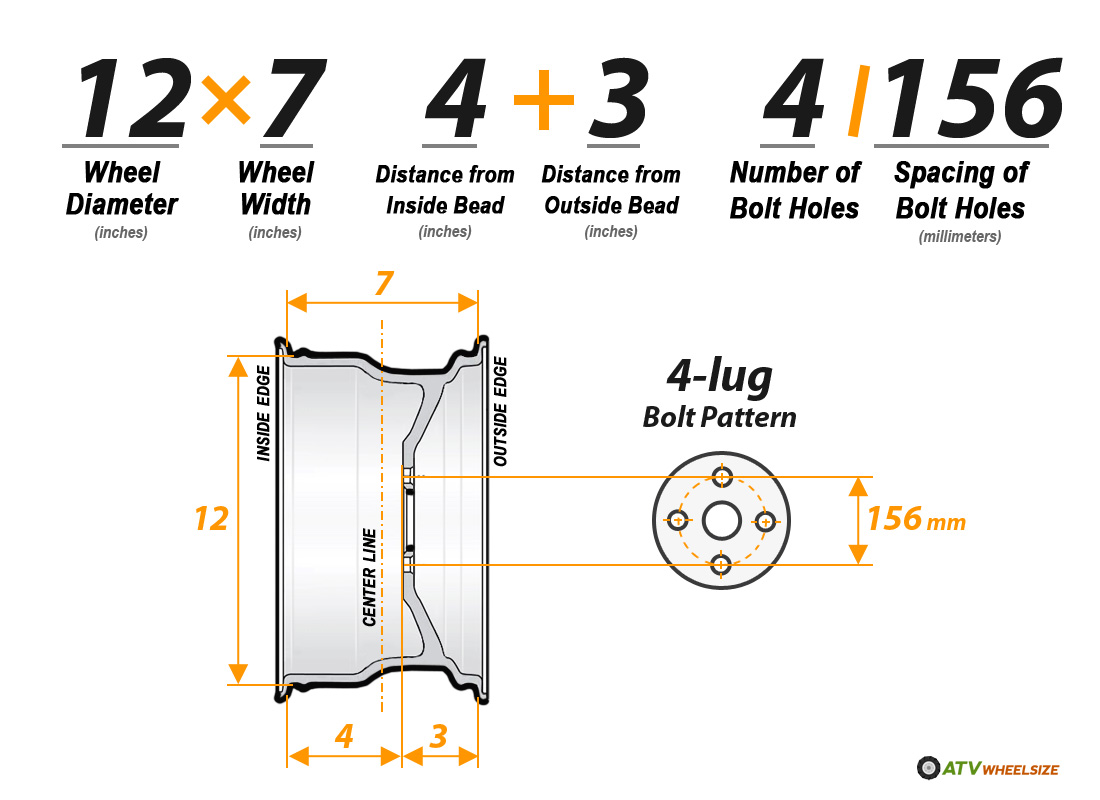
We talk to Honda Prelude Base owners every day. These are the questions we hear most before they pull the trigger on new wheels.
Will 17×9 / 17×9-inch wheels fit my Honda Prelude Base? Yes, but fitment depends on width, offset, and tire size working together. A wrong offset means rubbing. A wrong tire size means poor handling. Always verify all three.
Do I need to modify my fenders? That depends on your offset and suspension. A conservative offset with stock ride height usually fits without modification. Go aggressive and you may need to roll or pull your fenders.
Can I daily-drive this setup? Absolutely. Thousands of Honda Prelude Base owners run 17×9 / 17×9-inch wheels every day. The key is choosing the right tire with enough sidewall to absorb road imperfections.