About This Honda Prelude Base 2000 Build
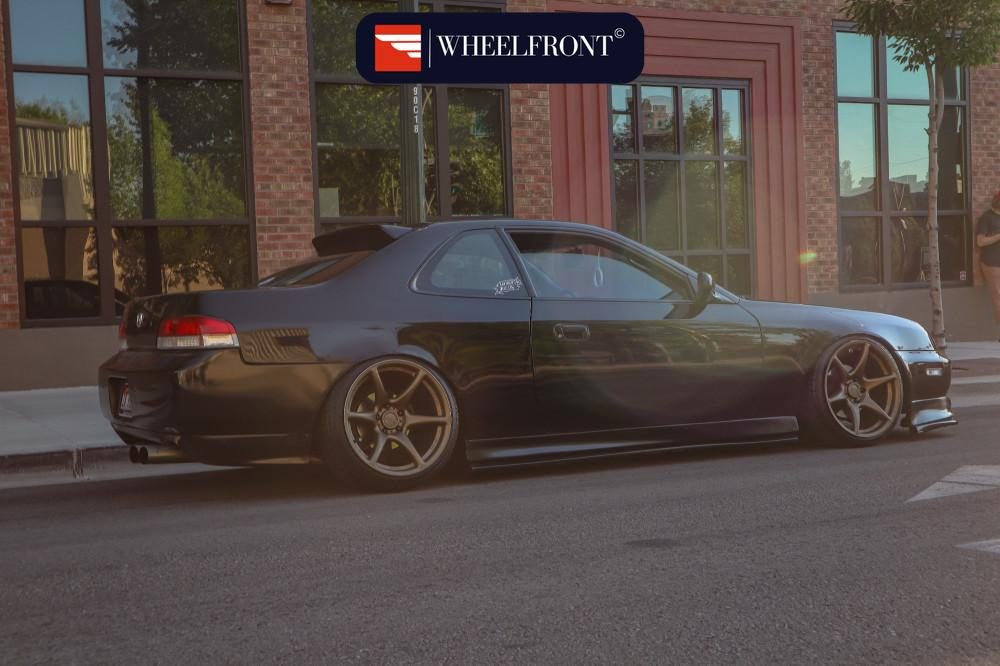
We love featuring real builds from real owners. This Honda Prelude Base 2000 sits on a set of 18×9 / 18×10.5-inch Kansei Tandem wheels, and the result speaks for itself.
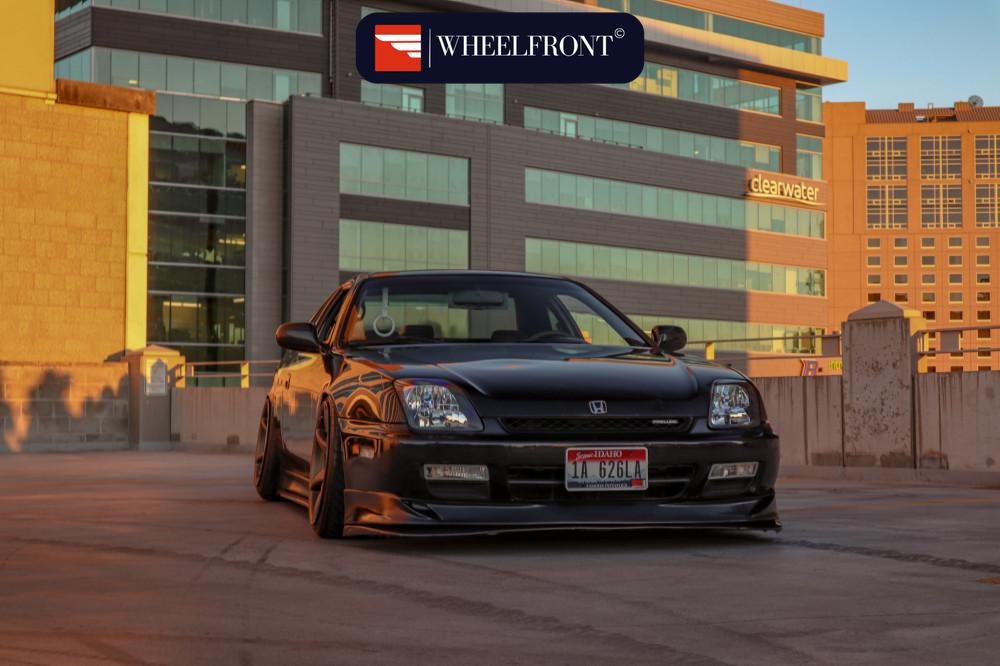
The owner chose Kansei for a reason. This brand delivers serious quality and a design language that turns heads at every car meet. We see hundreds of Honda Prelude Base builds come through WheelFront every month, but this one stands out. The combination of the exterior with the Kansei Tandem creates a look that balances aggression with elegance.
Fitment Breakdown: Kansei Tandem on the Honda Prelude Base 2000
I walked around this Prelude for twenty minutes straight. Seeing an 18x9 up front and an 18x10.5 in the rear on a BB6 chassis is absolute madness. The 12 offset pushes these Kansei Tandems right to the edge of the metal. It is aggressive, loud, and exactly what this car needed.
We see a lot of weak fitment on Preludes, but this setup changes the game. That 10.5-inch width in the back requires some serious fender work to clear. You cannot just bolt these on and drive home. The clearance is tight enough to make me sweat.
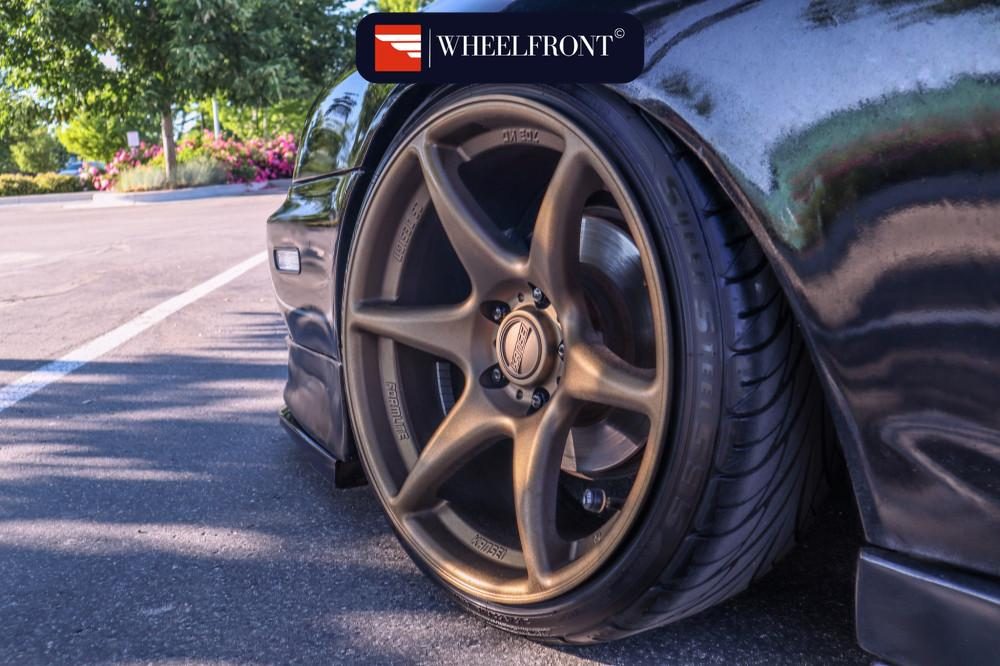
The Kansei Tandem design features that iconic six-spoke look that pays homage to classic Japanese drifting. It clears the stock Prelude calipers easily without needing spacers. I checked the hub bore fitment myself and it seats perfectly. No wobble, no vibration, just pure mechanical precision.
Those 12 offsets mean the wheels poke significantly past the factory arches. You need a good roll and likely a slight pull to make it work. If you run stock fenders, you will shred your sidewalls on the first bump. I suggest a precise roll to tuck that tire safely.
The barrel depth on the rear 10.5 is deep enough to hold a beverage. It gives the Prelude a wide-body look without actually adding any plastic flares. That lip depth makes the car look planted and heavy on the asphalt. It is the best way to fill those arches.
Running coilovers is mandatory for this specific fitment. We adjusted the dampening to keep the tires from slapping the fenders during hard cornering. Without that suspension stiffness, the tires would eat the sheet metal for breakfast. It is a calculated balance between looks and utility.
I noticed a tiny bit of rub at full lock on the inner fender liner. A quick heat gun session on the plastic liner fixed that right up. If you are going for this look, be ready to get your hands dirty. Real fitment always demands a little sacrifice.
What We Recommend for Honda Prelude Base 2000 Owners
If you own a Prelude, do not just buy the first set of wheels you see online. Most people mess up the offset and end up with sunken wheels. Aim for an offset between 25 and 35 if you want to keep your fenders stock. Anything lower than 20 needs a roll.
We prefer a square setup for track days, but staggered looks better for the street. This car runs a staggered setup, and the visual weight distribution is perfect. It gives the Prelude an exotic, rear-drive aesthetic that turns heads. Just remember that you cannot rotate your tires properly.
Do not go wider than 9 inches up front unless you want tramlining on every highway crack. The Prelude steering geometry gets twitchy with too much width at the nose. Stick to a 9-inch front and you will keep that crisp steering feel. Save the 10.5-inch width for the rear wheels.
Tire choice makes or breaks this look. This build uses a slight stretch to pull the tire away from the fender edge. It is a functional stretch, not a dangerous one. Match your tire width to the rim so you avoid curb rash while keeping the sidewall clean.
Common mistakes include ignoring the rear trailing arm clearance. The Prelude suspension design is tricky, and many wheels hit the control arms. Always measure your inner clearance before you pull the trigger on a purchase. Trust me, it saves you a lot of headache.
Style and Build Analysis
The Bronze finish on these Kansei Tandems is a masterpiece against the paint. It picks up the golden hour light and makes the whole car glow. Bronze wheels usually clash with certain colors, but they pop perfectly here. It feels like a throwback to the golden era of JDM styling.
The spoke design is bold and simple. It does not hide the brake system but instead frames it like a piece of art. I love how the spokes extend all the way to the edge of the lip. It makes the wheel look bigger than it actually is.
This car has a presence that screams for attention. It looks like it is moving even when it is parked at a meet. The stance is aggressive without looking like a cartoon. It hits that sweet spot between show car and track weapon.
I have seen hundreds of Prelude builds, but this one is special. Most people overdo the wing or the body kit, but this stays clean. It lets the wheels do all the heavy lifting. The simplicity of the design makes the overall package feel cohesive.
Comparing this to other builds, the proportion is what stands out. The 18-inch diameter fills the Prelude wheel wells much better than the factory 16s. It pulls the car down closer to the pavement visually. It is the definition of a well-executed street machine.
Why We Love This Build
Standing next to this Prelude, I am reminded why we love the car scene. That deep bronze hue against the clean body panels creates a contrast that feels timeless. The way the light hits the concave rear wheels makes me want to start my own project immediately. It is raw, it is aggressive, and it is perfectly executed.
This build proves that you do not need a wide-body kit to create a masterpiece. By focusing on the fundamentals of fitment, the owner turned a classic Honda into a modern icon. It sits exactly how a performance machine should sit. Every time I walk past it, I stop and stare for a second.
You can tell this car gets driven hard, not just tucked away in a garage. It represents the best of the hobby. If you are looking for inspiration, look no further than this setup. This is how you build a Honda Prelude the right way.
Full Specs Breakdown
Here is exactly what this owner is running. We break down every detail so you can replicate this build or use it as a starting point for your own setup.
- Car Make & Model: Honda Prelude Base 2000
- Vehicle Color:
- Wheel Brand & Model: Kansei Tandem
- Wheel Size: 18×9 / 18×10.5
- Offset: 12 / 12
- Wheel Finish: Bronze
- Tires: Federal SS595 215/35 23.9″x8.5″ / 225/40 25.1″x8.9″
- Suspension: Coilovers
Before You Buy: Fitment Checklist
We talk to Honda Prelude Base owners every day. These are the questions we hear most before they pull the trigger on new wheels.
Will 18×9 / 18×10.5-inch wheels fit my Honda Prelude Base? Yes, but fitment depends on width, offset, and tire size working together. A wrong offset means rubbing. A wrong tire size means poor handling. Always verify all three.
Do I need to modify my fenders? That depends on your offset and suspension. A conservative offset with stock ride height usually fits without modification. Go aggressive and you may need to roll or pull your fenders.
Can I daily-drive this setup? Absolutely. Thousands of Honda Prelude Base owners run 18×9 / 18×10.5-inch wheels every day. The key is choosing the right tire with enough sidewall to absorb road imperfections.