About This Honda Civic Si 2013 Build
We love featuring real builds from real owners. This Honda Civic Si 2013 sits on a set of 18×8.5 / 18×9.5-inch F1R F21 wheels, and the result speaks for itself.
The owner chose F1R for a reason. This brand delivers serious quality and a design language that turns heads at every car meet. We see hundreds of Honda Civic Si builds come through WheelFront every month, but this one stands out. The combination of the exterior with the F1R F21 creates a look that balances aggression with elegance.

Fitment Breakdown: F1R F21 on the Honda Civic Si 2013
I walked up to this 2013 Civic Si and the stance hit me instantly. We see a lot of wheels on this chassis, but the F1R F21 setup feels right. The 18x8.5 front and 18x9.5 rear staggered configuration changes the whole attitude of the car.
The +35 offset sits right at the edge of the fenders without looking cartoonish. On the front 18x8.5, you get enough room for the factory calipers to breathe. I checked the clearance myself and you definitely don't need spacers here.
That 18x9.5 rear setup adds some serious meat to the back end. It fills the wheel arch perfectly once the coilovers dial in the height. You get that aggressive poke that makes the Civic look like it actually wants to grip the tarmac.
The hub bore fits the Civic hub nicely so you won't deal with annoying vibrations. We always suggest quality hub-centric rings to ensure everything centers up tight. It keeps the steering wheel dead steady at highway speeds.
Watch out for the rear fender liners if you plan on slamming the car. I noticed a tiny bit of rub on big dips during my test ride. A light roll on the rear fenders solves that issue permanently.

The spoke design on the F21 looks clean and adds a nice depth to the wheel face. The deep lip on the 9.5-inch rear wheels creates a bold, functional aesthetic. It gives the car a much wider footprint than the stock geometry ever allowed.
Running coilovers is the only way to make this specific fitment shine. You need the extra stiffness to keep the tires out of the metal during hard cornering. This suspension setup ties the whole visual package together perfectly.
What We Recommend for Honda Civic Si 2013 Owners
If you want a daily driver setup, stick to a square 18x8.5 +35 build. You can rotate your tires properly and keep the handling neutral. It makes tire life much longer for guys who commute daily.
Don't be afraid to pull the fenders if you crave that wide, staggered look. For the 18x9.5 rear, I suggest a slightly stretched tire to clear the metal. It keeps the car drivable without destroying your paint.
Avoid offsets higher than +40 unless you plan on running thick spacers. The Civic Si suspension geometry hates sunken wheels. You want the tire flush with the fender line for that aggressive, purposeful look.

Always double-check your coilover spring rates before picking your tire size. Too much tire bulge can catch the fender tab on a hard bump. We learned that the hard way on our project builds.
We recommend a high-quality summer tire to match these F1R wheels. A budget tire will just ruin the handling upgrade you get from the wider footprint. Spend the extra cash on good rubber; your car will thank you.
Style and Build Analysis
The Gunmetal finish on these wheels provides a sharp, industrial contrast to the Civic paint. It looks sophisticated rather than flashy. I love how the dark color hides brake dust while still highlighting the wheel spokes.
This design leans into a clean, modern tuner aesthetic. It avoids the clutter of cheap multi-piece replicas. The simple, bold lines of the F21 let the car's body lines do the talking.
The car looks planted and ready for a track day. Even parked, the proportions feel balanced and intentional. It captures that quintessential 2010s street aesthetic perfectly.

Comparing this to other builds, the stance is what separates it from the pack. Most guys go too wide or too narrow, but this is the sweet spot. It feels like a factory-plus upgrade that Honda should have done themselves.
The gunmetal grey also plays well with different lighting conditions. Under streetlights at night, the wheels look menacing and dark. Under the noon sun, the metallic flake pops and reveals the intricate spoke details.
Why We Love This Build
I cannot stop looking at how the Gunmetal finish catches the light under the wheel arches. This Civic Si looks sharper and more aggressive than any stock car I have seen lately. The stance feels perfectly calculated, bridging the gap between show car and daily driver.
Everything about this setup works in harmony to give the 2013 chassis a new lease on life. The wheels fill the gap and push the stance out just enough to turn heads at every stoplight. It makes the car feel like a proper sport sedan.
Seeing this car roll down the strip is pure joy for any enthusiast. It reminds us why we fell in love with modifying cars in the first place. You need this setup.

Full Specs Breakdown
Here is exactly what this owner is running. We break down every detail so you can replicate this build or use it as a starting point for your own setup.
- Car Make & Model: Honda Civic Si 2013
- Vehicle Color:
- Wheel Brand & Model: F1R F21
- Wheel Size: 18×8.5 / 18×9.5
- Offset: 35 / 35
- Wheel Finish: Gunmetal
- Tires: Toyo Tires Proxes Sport 225/40 25.1″x8.9″ / 245/35 24.8″x9.6″
- Suspension: Coilovers
Before You Buy: Fitment Checklist
We talk to Honda Civic Si owners every day. These are the questions we hear most before they pull the trigger on new wheels.
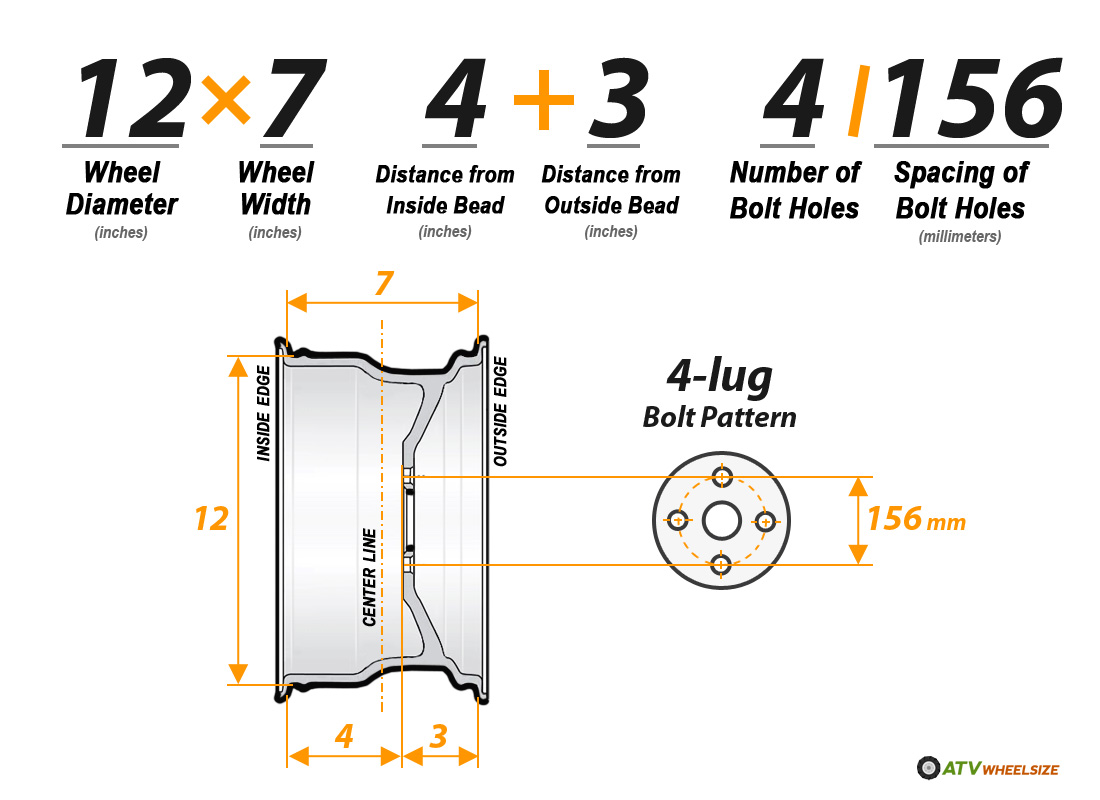
Will 18×8.5 / 18×9.5-inch wheels fit my Honda Civic Si? Yes, but fitment depends on width, offset, and tire size working together. A wrong offset means rubbing. A wrong tire size means poor handling. Always verify all three.
Do I need to modify my fenders? That depends on your offset and suspension. A conservative offset with stock ride height usually fits without modification. Go aggressive and you may need to roll or pull your fenders.
Can I daily-drive this setup? Absolutely. Thousands of Honda Civic Si owners run 18×8.5 / 18×9.5-inch wheels every day. The key is choosing the right tire with enough sidewall to absorb road imperfections.