About This Honda Civic Si 2012 Build
We love featuring real builds from real owners. This Honda Civic Si 2012 sits on a set of 17×9 / 17×9-inch Enkei RPF1 wheels, and the result speaks for itself.
The owner chose Enkei for a reason. This brand delivers serious quality and a design language that turns heads at every car meet. We see hundreds of Honda Civic Si builds come through WheelFront every month, but this one stands out. The combination of the exterior with the Enkei RPF1 creates a look that balances aggression with elegance.

Fitment Breakdown: Enkei RPF1 on the Honda Civic Si 2012
I walked around this 2012 Civic Si at the show and immediately knew the setup. The 17x9 square setup on this chassis hits that perfect middle ground between aggression and functionality. These Enkei RPF1s occupy the wheel wells with purpose.
We see a +45 offset across all four corners here. This keeps the scrub radius tight and prevents the wheels from poking too far past the fenders. It creates a clean, flush look without resorting to obnoxious camber.
Caliper clearance on the ninth-gen Si can be a headache, but the RPF1 design handles it easily. The spokes curve just enough to clear the stock brakes without needing spacers. You get that authentic motorsports aesthetic without sacrificing braking performance.
The hub bore sits perfectly on the Civic’s 64.1mm center. We always suggest running hub-centric rings to keep vibrations out of the steering wheel. Proper fitment starts with the little details like this.
Those coilovers drop the ride height significantly, which tightens up the fender gap. We noticed the inner barrel clearance is extremely close to the strut housing. You need that 17x9 width to pull the tire away from the suspension bits.
Watch out for rubbing on the front inner plastic liners during full lock. A little heat gun work on the fender liners clears that right up. This car shows exactly how to manage those tight tolerances.
The Silver finish catches the afternoon sun, highlighting the trademark RPF1 spoke design. It creates a lightweight, race-ready profile that looks at home on both the street and the track. This is exactly how you dial in a 2012 Civic Si.

What We Recommend for Honda Civic Si 2012 Owners
If you want to replicate this build, don't try to go wider than 9 inches unless you plan on heavy bodywork. A 17x9 is the absolute gold standard for the ninth-gen Civic. Anything wider turns into a nightmare of rubbing and alignment issues.
Stick to a square setup like this one. Staggered wheels on a front-wheel-drive platform make zero sense for handling. You want to rotate your tires to get the most out of your rubber.
Keep your offset between +35 and +45 for the best results. The +45 on this car is safe, but +35 will give you a slightly more aggressive stance. Just be prepared to roll your fenders if you push it that far.
Don't fall for the trap of massive spacers. They ruin your wheel bearings and destroy your handling geometry. If the wheel does not fit the hub, get the right offset from the start.
Pair these wheels with a 245/40R17 tire for the best footprint. We love how this size fills the well without looking like a donut. It provides the grip you need to actually enjoy the VTEC power band.
Style and Build Analysis
The Silver finish on these RPF1s provides a classic, timeless contrast against the factory paint. It avoids the trendiness of neon or matte black wheels. This setup screams understated performance enthusiast.
I love how the proportion of the 17-inch wheel fills the arch. It isn't too big, so it maintains the car's intended driving dynamics. The aesthetic matches the aggressive lines of the 2012 Si perfectly.

The RPF1 is an icon for a reason. Its thin, twin-spoke pattern keeps the unsprung weight low. Every time I see this car roll past, the wheels look like they are spinning even when parked.
This car avoids the "stance" trap where form kills function. You can actually drive this hard in the canyons without worrying about cracked fenders. It is a build designed to be driven, not just parked.
Compared to other Civic builds we feature, this one feels honest. It doesn't rely on gaudy body kits to grab attention. The wheels do all the heavy lifting for the car's presence.
Why We Love This Build
Seeing this Civic in person reminds me why we do this. The Silver RPF1s catch the light with every rotation, making the whole car look fast sitting still. It hits the perfect balance between track weapon and daily driver.
The way the wheels fill those arches makes the car look hunkered down and ready for battle. You can tell the owner cares about the details, from the perfect ride height to the clean fitment. It is a masterclass in how to upgrade a modern classic.
Every time this car turns a corner, I stop and stare. It has that raw, mechanical vibe that makes you want to grab the keys and go for a drive. This is exactly how a Honda Civic Si should look.
Stop dreaming about it and go buy the wheels.

Full Specs Breakdown
Here is exactly what this owner is running. We break down every detail so you can replicate this build or use it as a starting point for your own setup.
- Car Make & Model: Honda Civic Si 2012
- Vehicle Color:
- Wheel Brand & Model: Enkei RPF1
- Wheel Size: 17×9 / 17×9
- Offset: 45 / 45
- Wheel Finish: Silver
- Tires: Firestone Firehawk Indy 500 225/45 25″x8.9″ / 225/45 25″x8.9″
- Suspension: Coilovers
Before You Buy: Fitment Checklist
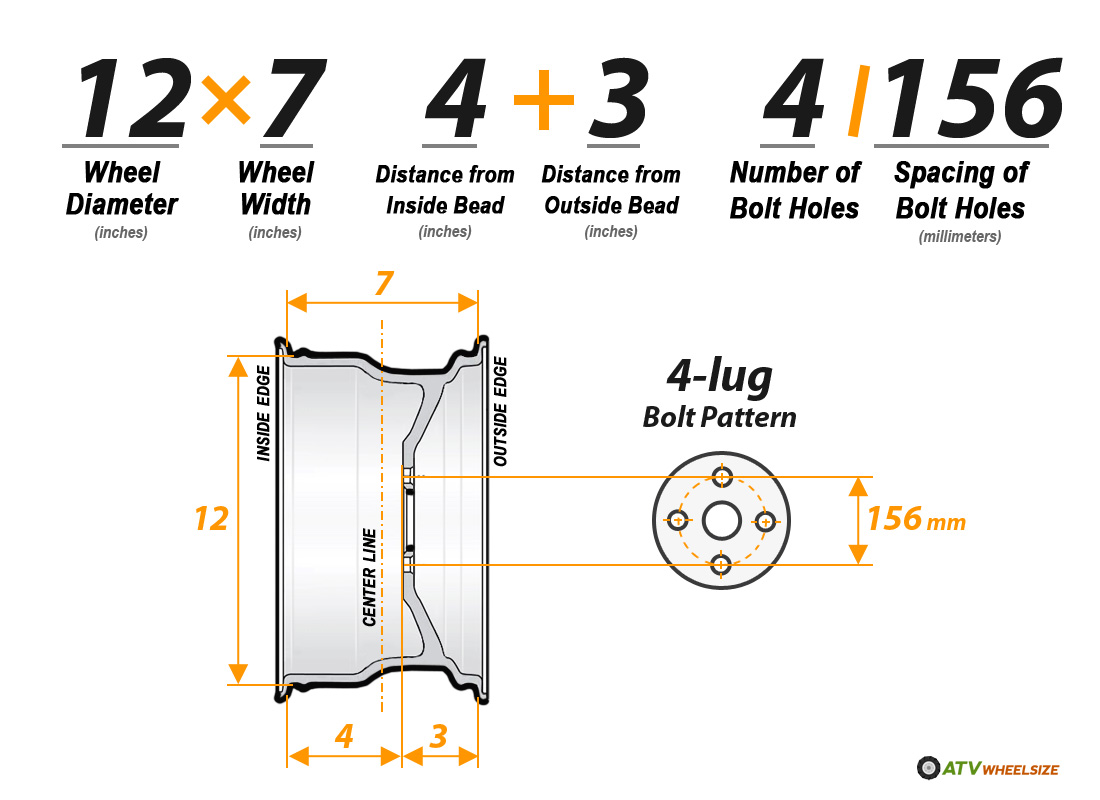
We talk to Honda Civic Si owners every day. These are the questions we hear most before they pull the trigger on new wheels.
Will 17×9 / 17×9-inch wheels fit my Honda Civic Si? Yes, but fitment depends on width, offset, and tire size working together. A wrong offset means rubbing. A wrong tire size means poor handling. Always verify all three.
Do I need to modify my fenders? That depends on your offset and suspension. A conservative offset with stock ride height usually fits without modification. Go aggressive and you may need to roll or pull your fenders.
Can I daily-drive this setup? Absolutely. Thousands of Honda Civic Si owners run 17×9 / 17×9-inch wheels every day. The key is choosing the right tire with enough sidewall to absorb road imperfections.