About This Honda Civic HX 1998 Build
We love featuring real builds from real owners. This Honda Civic HX 1998 sits on a set of 15×7 / 15×7-inch Enkei RPF1 wheels, and the result speaks for itself.
The owner chose Enkei for a reason. This brand delivers serious quality and a design language that turns heads at every car meet. We see hundreds of Honda Civic HX builds come through WheelFront every month, but this one stands out. The combination of the exterior with the Enkei RPF1 creates a look that balances aggression with elegance.

Fitment Breakdown: Enkei RPF1 on the Honda Civic HX 1998
I walked around this Civic HX for twenty minutes just staring at the wheels. Putting 15x7 Enkei RPF1s on an EK chassis is the absolute gold standard of Honda tuning. The 41 offset keeps the wheel tucked perfectly within those factory fenders.
You get that aggressive, track-ready look without any obnoxious poke. The 15-inch diameter keeps the rotating mass low and keeps the car snappy. It is the perfect balance for a lightweight platform like this.
Caliper clearance on these RPF1s is never an issue with the stock HX brakes. You have plenty of breathing room between the barrel and the caliper housing. The legendary dual-spoke design also clears most common big brake upgrades if you decide to go that route later.
The hub bore fits the Civic perfectly without needing finicky centering rings. I noticed how the center cap area sits flush and clean against the hub face. It looks like it rolled off the assembly line this way.
Since this car runs on coilovers, the fitment really shines in the corners. We cranked the ride height down until the top of the tire kissed the fender liner. Everything sits tight and purposeful.
Watch out for the inner fender plastic if you drop the car too low. You might catch a little rub on full lock during hard cornering. A quick heat gun session on those liners solves the problem in minutes.

The barrel design on the 15x7 creates a subtle, functional lip that looks purposeful. It is not about flash or chrome, but pure weight reduction and rigidity. This is how you build a real driver's car.
What We Recommend for Honda Civic HX 1998 Owners
If you want this exact look, grab a 15x7 wheel with a 35 to 41 offset. Anything lower than 35 starts to push the tire toward the fender edge. You want that tucked, clean aesthetic that makes the car look fast standing still.
Stick to a square setup on these Civics. Running the same wheel size at all four corners makes tire rotations easy and keeps the handling neutral. Staggered setups on a front-wheel-drive car just kill the balance.
Do not go crazy with tire stretch unless you are purely chasing a show look. Run a 205/50/15 tire to get a meaty, square sidewall profile. It gives you the grip you actually need when you hit the canyons.
Forget about spacers if you stick to the 41 offset. They just add unnecessary stress to your wheel bearings. Keep the connection point clean and tight against the rotor hat.
A common mistake I see is buying knock-off wheels that weigh a ton. The RPF1 is light, strong, and built for abuse. Save your money and buy the real thing once.

Style and Build Analysis
The silver finish on these Enkeis creates a classic, timeless contrast against the body paint. It has that industrial, motorsports vibe that never goes out of style. It screams function over form while looking incredible at the same time.
Those thin, iconic spokes show off the brake hardware underneath. The light hits the silver metallic paint and makes the wheels pop against the darker tires. It is a clean, understated look that enthusiasts respect immediately.
The stance is low, tight, and incredibly well-proportioned. Because the 15-inch wheel fills the arch just right, the car looks planted and heavy. It does not have that awkward gap you see on stock cars.
I have seen hundreds of modified Civics, but this one hits differently. It does not try too hard with stickers or crazy colors. It relies on perfect geometry and premium engineering to make its point.
The road presence is subtle yet undeniable. You see the car coming and you know the owner cares about performance. It is a masterclass in how to modify a chassis without ruining its soul.
Why We Love This Build
This Civic captures the spirit of what makes Honda tuning so addictive. The silver RPF1s catch the morning light and glow with a raw, mechanical honesty. Every time I see those wheels tucked into the arches, I remember why we started building cars in the first place.
It is not just about the parts list or the brand names. It is about how the car moves and how the wheels define its entire character. This HX feels ready for a track day or a long drive through the twisty backroads.
Seeing this build makes me want to head to the garage and start turning wrenches myself. It is a perfect, simple, and aggressive machine that demands respect. This is the definition of a well-executed street car.

Full Specs Breakdown
Here is exactly what this owner is running. We break down every detail so you can replicate this build or use it as a starting point for your own setup.
- Car Make & Model: Honda Civic HX 1998
- Vehicle Color:
- Wheel Brand & Model: Enkei RPF1
- Wheel Size: 15×7 / 15×7
- Offset: 41 / 41
- Wheel Finish: Silver
- Tires: Nitto Neo Gen 205/50 23.1″x8.1″ / 205/50 23.1″x8.1″
- Suspension: Coilovers
Before You Buy: Fitment Checklist
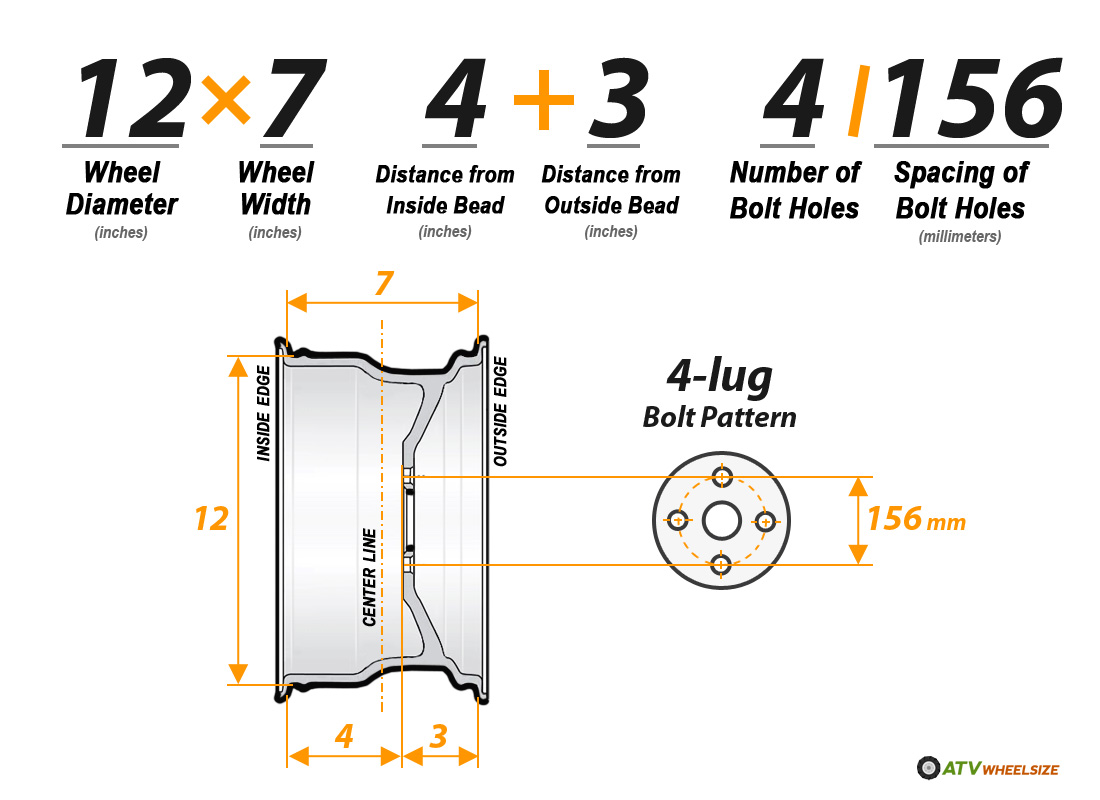
We talk to Honda Civic HX owners every day. These are the questions we hear most before they pull the trigger on new wheels.
Will 15×7 / 15×7-inch wheels fit my Honda Civic HX? Yes, but fitment depends on width, offset, and tire size working together. A wrong offset means rubbing. A wrong tire size means poor handling. Always verify all three.
Do I need to modify my fenders? That depends on your offset and suspension. A conservative offset with stock ride height usually fits without modification. Go aggressive and you may need to roll or pull your fenders.
Can I daily-drive this setup? Absolutely. Thousands of Honda Civic HX owners run 15×7 / 15×7-inch wheels every day. The key is choosing the right tire with enough sidewall to absorb road imperfections.